Can Hydro Jetting Damage Pipes? Expert Guide to Safe Cleaning
TX Hydrojet Team9 min read
The power of hydro jetting will amaze you. This cleaning method uses water pressure so strong that it can slice through tree roots several inches thick.
Hydro jetting reaches pressure levels up to 4,000 PSI and blasts away everything from tough grease buildup to invasive tree roots. But here's what many people ask - will hydro jetting damage your pipes? Licensed plumbers can safely use this method on most modern plumbing systems. The risk mainly exists for older pipes made of cast iron or clay.
You need to know how hydro jetting affects different types of pipes before using this powerful cleaning method. Let's look at the safe scenarios and potential risks to your plumbing system.
Understanding Hydro Jetting Technology
Pressurized water makes hydro jetting technology powerful enough to clear pipe blockages that regular methods can't fix. Professional plumbers can achieve amazing results with this advanced cleaning method on different types of pipes.How hydro jetting works
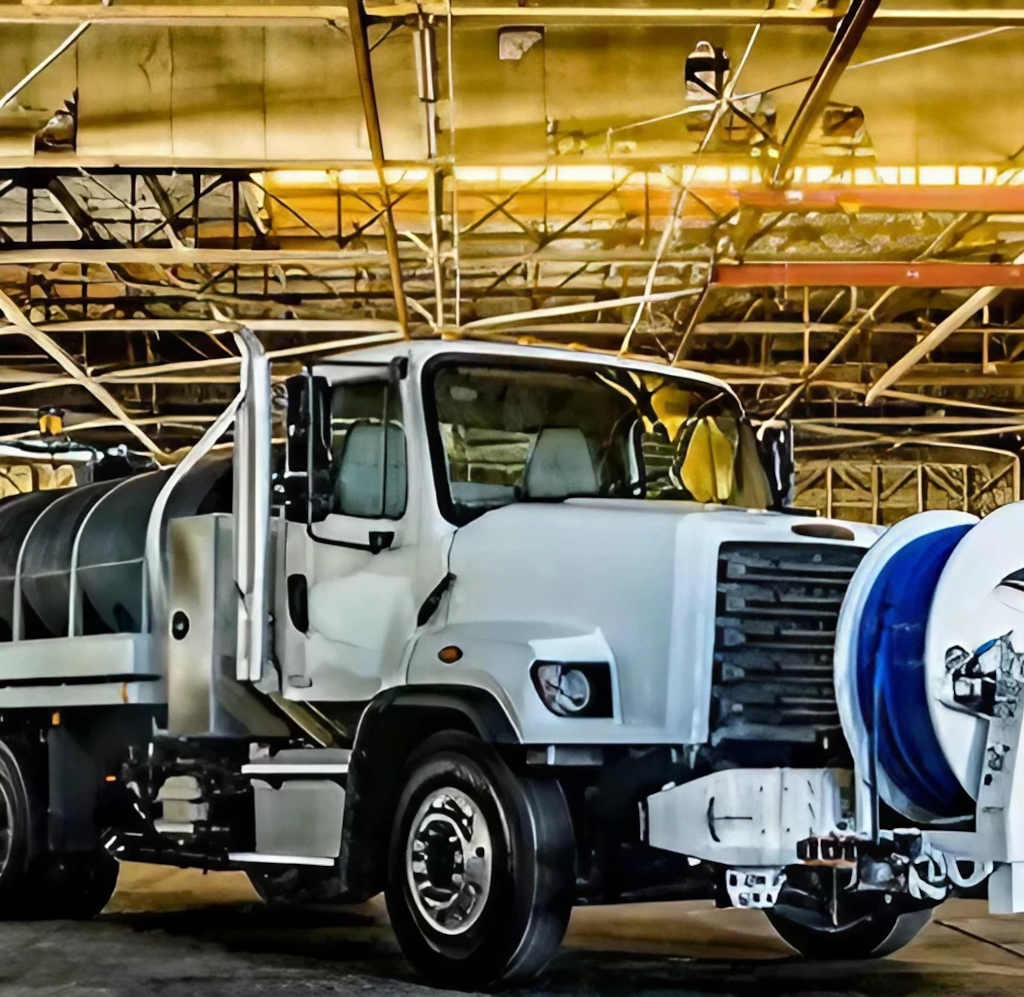
The process works in a surprisingly simple way. A special machine uses a run-dry pump that creates high-pressure water flowing through a tough hose into your pipes. The nozzle at the hose's end turns this pressure into speed—which can hit 400 miles per hour. Your plumber starts by checking your system with a small camera. This helps them spot blockages and see what shape your pipes are in. They put the nozzle into your drain through a cleanout access point. The water blast scours your pipe walls with massive force. This removes built-up debris, grease, mineral deposits, and sometimes even tree roots.Pressure levels and their effects
Getting the pressure right makes a big difference in how well pipe cleaning works. Regular house water pressure sits around 80 PSI. Professional hydro jetting equipment works at much higher levels. Houses usually need 1,500-2,500 PSI, businesses require 2,500-4,000 PSI, and industrial jobs might need 4,000-5,500 PSI. A 2,000 PSI blast can strip paint off a car. This shows why checking pipe materials matters before using hydro jetting on older pipes. Pipe size affects how well pressure works—2,000 PSI cleans a 4-inch pipe well but loses power in bigger 8-inch pipes. Too much pressure can damage weak pipes, so expert evaluation becomes essential.Types of nozzles and their purposes
The right nozzle choice makes cleaning more effective. Each type tackles specific problems:- Penetrating nozzles: Cut through tough blockages with concentrated forward jets
- Rotating/Rotary nozzles: Clean all around the pipe, perfect for grease and roots
- Ball nozzles: Move through tricky pipe bends thanks to their round shape
- Chisel nozzles: Break up hard blockages using forward jets and sharp edges
- Culvert nozzles: Heavy-duty design for big storm drain cleaning
Pipe Materials and Their Vulnerability
Your plumbing system's pipe material plays a crucial role in determining if hydro jetting will be safe or cause damage. Knowing each material's weak points helps avoid getting pricey repairs as you think over this powerful cleaning method.PVC and modern pipes
Modern PVC and ABS pipes are the most hydro jetting-friendly materials in today's digital world. These polymer composites don't rust or corrode, which makes them really tough against high-pressure water cleaning. Notwithstanding that, these pipes aren't completely invulnerable. Their durability aside, PVC pipes can become brittle as time passes, especially with repeated exposure to cold temperatures. This happens whatever the pipe's age and could weaken the structure during high-pressure cleaning. Professional hydro jetting poses minimal risk to intact PVC systems. Experts adjust pressure levels based on pipe diameter and use the right nozzles that spread water evenly through the system. This careful approach will give a complete clean without damaging these modern materials.Cast iron and clay pipes
Cast iron and clay pipes are nowhere near as safe to hydro jet. Both materials usually last 50-60 years max, and clay pipes mostly disappeared by the 1970s while cast iron phased out in the early 1980s. So, most existing pipes of these materials have lived past their expected lifespan. Rust and corrosion are the biggest worries with cast iron. These issues not only block pipes but weaken their structure too. Clay pipes break easily under pressure. Tree roots often invade clay pipes' joints, which makes them even less stable. Most plumbers avoid using full-force hydro jetting on these older materials. The process might remove corroded parts that have become part of the pipe itself, possibly causing breaks or total failure.Copper and galvanized steel pipes
Copper pipes may be tough, but oxidation makes them vulnerable over time. This natural process creates pinholes that weaken the whole structure. Galvanized steel pipes face similar issues - corrosion slowly thins their walls, making them more likely to get damaged from high-pressure water. Both materials need thorough camera inspection before any hydro jetting starts. A qualified professional must assess oxidation levels and corrosion severity to check if the pipes can handle the pressure without leaking or breaking. TX Hydrojet & Plumbing in Houston can help you figure out if hydro jetting might damage your pipes. They'll give you a full picture of your specific plumbing system.Warning Signs Your Pipes Can't Handle Hydro Jetting
Your plumbing system needs assessment before scheduling hydro jetting to prevent damage. High-pressure cleaning won't work safely with all pipes, so you should know the warning signs of vulnerable plumbing systems.Age-related concerns
Your plumbing system's age plays a vital role in deciding if hydro jetting will work safely. Pipes over 50 years old usually can't handle high-pressure water streams. Many homes still use their original plumbing from decades ago, which creates big risks with hydro jetting. Cast iron and clay pipes last 50-60 years at most. This means most existing pipes made from these materials have reached or passed their durability limit. The pipe's condition matters more than its age when making this decision.Visible damage indicators
Your pipes might show physical signs that they won't handle hydro jetting safely. Slow drains, bad smells, and constant clogs often point to mechanisms that could get worse with hydro jetting. Watch out for wet carpets, water stains on walls, peeling paint, or bubbling wallpaper - these might show existing leaks. Cracks or corrosion in visible pipes suggest problems throughout the system. Pipes with weak spots from rust or corrosion can break completely under high water pressure.Previous repair history
Your system's repair history gives a great way to get insights about its condition. Multiple fixes across different spots in your home point to systemic problems. Pipes with past leaks or breaks tend to develop weak spots around fixed areas. Plumbing that clogs often despite regular maintenance likely has structural issues. TX Hydrojet & Plumbing in Houston can help assess your pipes. Their team will check if hydro cleaning works safely for your pipes or if you need different solutions.Professional Assessment Process Before Hydro Cleaning Pipes
Professional plumbers take time to get a full picture of your plumbing system before starting hydro jetting. They need to know if your pipes can handle high-pressure water cleaning safely. Sometimes they might suggest different cleaning methods that work better.Camera inspection importance
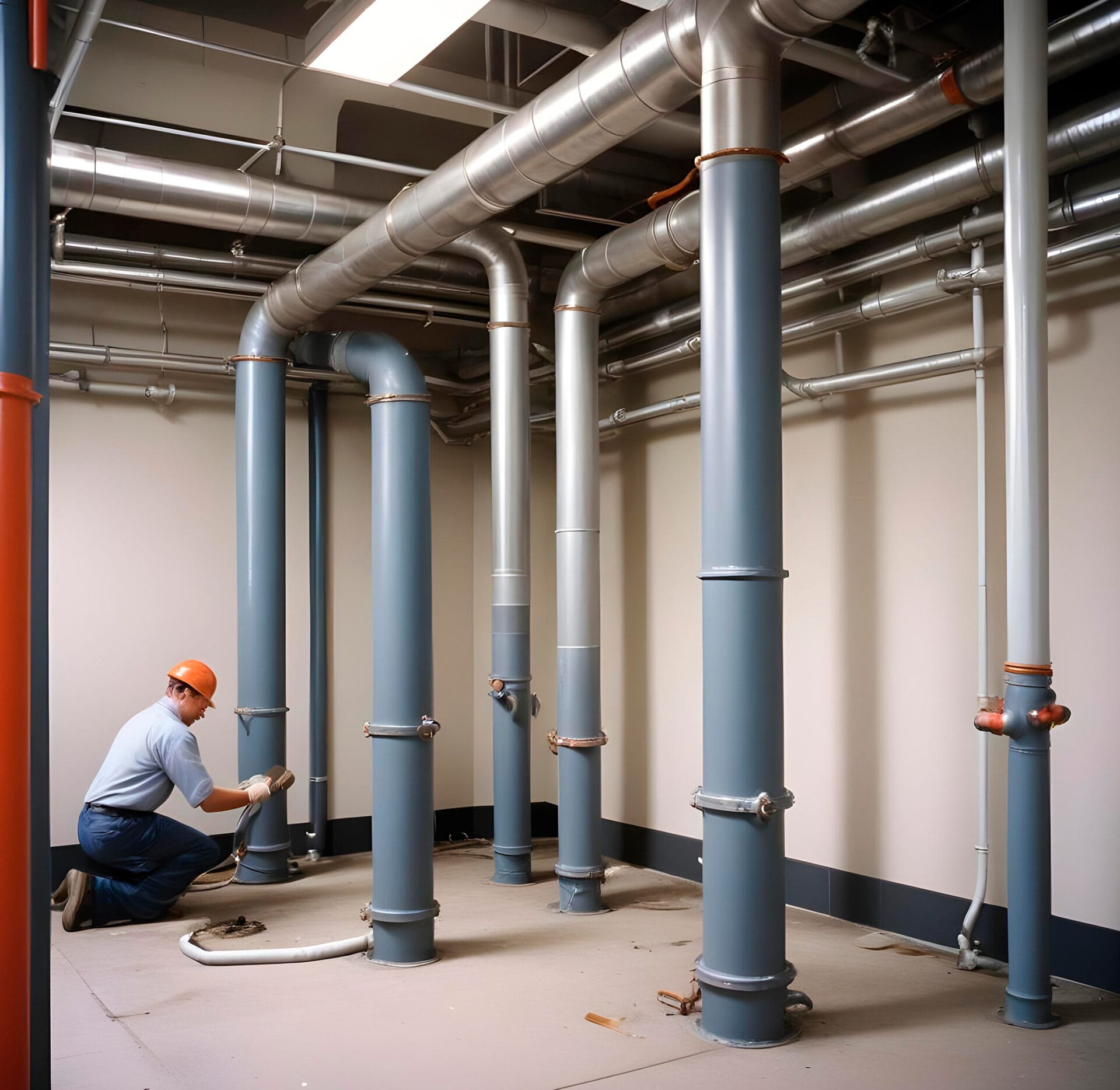
A complete video camera inspection serves as the life-blood of any professional hydro jetting assessment. Technicians use specialized waterproof cameras on semi-rigid push cables to see inside your plumbing system. This vital first step helps plumbers:- Spot exactly where and what type of blockage exists
- Check the pipe material's strength
- Record the condition before cleaning starts
- Figure out if hydro jetting suits your pipes
Pressure testing methods
Visual checks come first. Then most professionals run hydrostatic pressure tests to see if your pipes can take hydro jetting. Here's what happens: The plumber puts an inflatable test ball into the cleanout and fills it up to block the sewer line. Water fills the line up to the slab's top edge while they watch for any drops in water level. Dropping water levels show leaks that might get bigger under hydro jetting pressure. Older pipes need gentler treatment - usually 1,500–3,500 PSI strikes the right balance between cleaning power and safety. Each pipe gets custom pressure settings based on its material and shape.Expert evaluation criteria
Professional plumbers look beyond just what they can see. Their experienced teams review: The pipe's strength compared to its age matters most - especially for older clay or cast iron pipes. Past repairs might point to weak spots in the system. Root problems could affect how strong the pipes are. Pipe joints and alignment need to line up right to handle the pressure. TX Hydrojet & Plumbing can help with hydro jetting assessment in Houston. Their experts will give you a complete review to see if hydro jetting makes sense for your plumbing system.Conclusion
Hydro jetting offers a powerful way to clear stubborn pipe blockages. Its impressive cleaning power just needs a careful look at your plumbing system's condition first. A professional assessment becomes vital before using this high-pressure cleaning method, particularly with older pipes or systems that show wear and tear. Your pipes' material, age, and current state largely determine if hydro jetting will work safely and effectively. Modern PVC pipes usually handle the pressure well. However, older materials like cast iron or clay call for extra caution. Several warning signs suggest you should get a full picture before choosing this cleaning method - slow drains, frequent clogs, or visible damage. Homeowners who face ongoing plumbing problems should get a professional inspection before they opt for hydro jetting. Houston residents can rely on TX Hydrojet & Plumbing's expert team to check their pipes' condition and pick the safest, quickest way to clean them. Their specialized knowledge will give your plumbing system the right care without risking damage from too much pressure. A soaring win with hydro jetting comes from proper evaluation, the right pressure settings, and expert handling. Let qualified professionals guide your choice to protect your plumbing investment and get the deep cleaning your pipes need.TX Hydrojet & Plumbing Team
Our team of licensed, insured plumbers in Houston, TX brings decades of combined experience to every job. We specialize in hydro jetting, drain cleaning, sewer repair, and 24/7 emergency plumbing services across the Greater Houston area.
(832) 203-7987