Choosing an Industrial Pipe Cleaning Contractor in Houston: 7 Questions to Ask
Selecting the right industrial pipe cleaning contractor in Houston is a decision that affects your facility's safety record, regulatory compliance, production uptime, and budget. The Houston area is home to hundreds of contractors who offer some version of pipe cleaning services, but the capabilities, certifications, and equipment required for industrial work in a refinery, chemical plant, or large manufacturing facility are substantially different from residential or commercial drain cleaning. This guide gives plant managers, EHS professionals, and procurement teams the seven most important questions to ask before awarding a contract.
1. Are Your Technicians Certified for Confined-Space Entry and Industrial Site Safety?
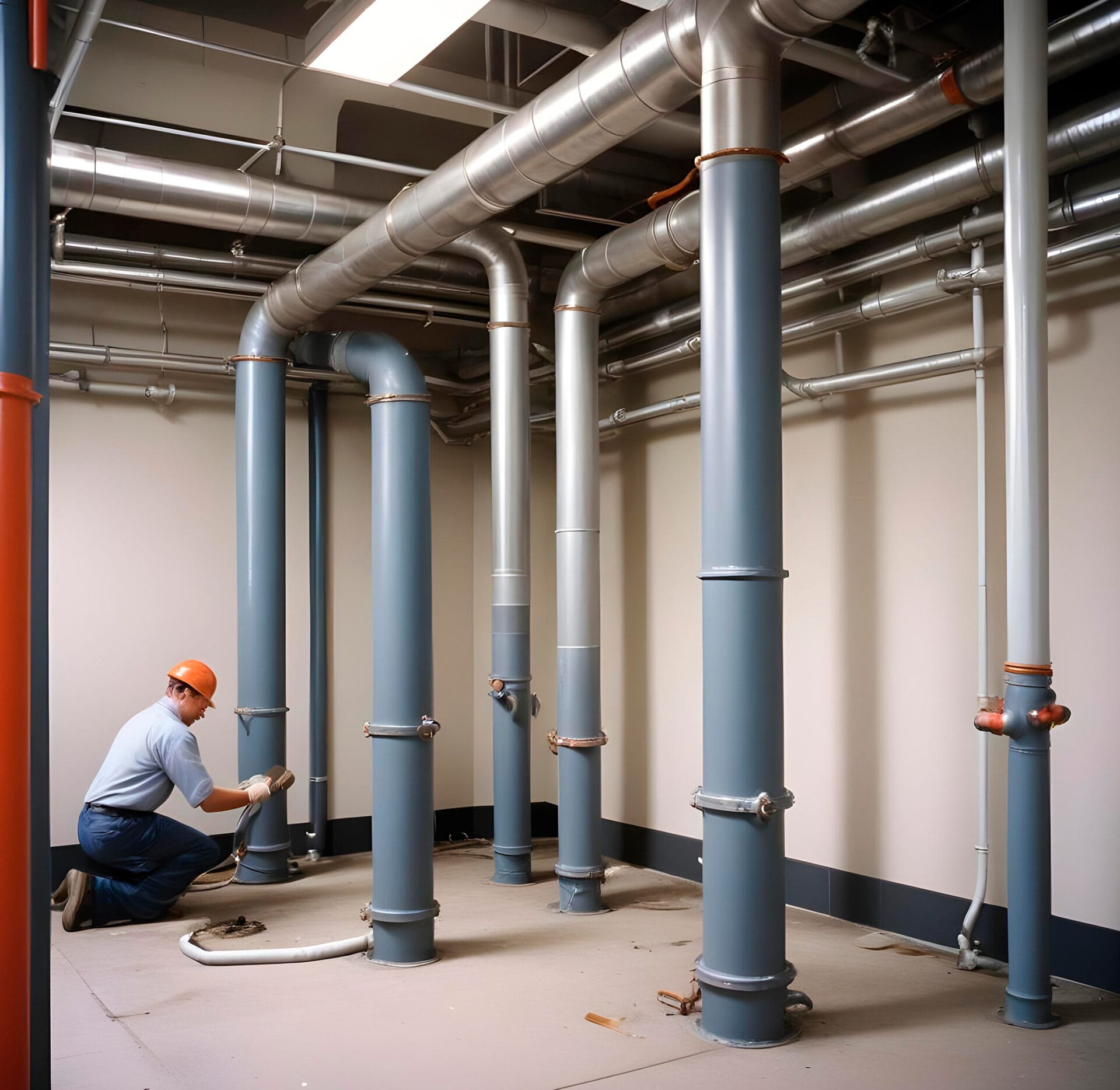
Industrial pipe cleaning in Houston almost always involves confined-space entry — whether accessing a manhole, entering a tank pit, or working in a trench to access buried piping. OSHA's confined-space standard (29 CFR 1910.146) requires that contractors who enter permit-required confined spaces have an authorized entrant, a trained attendant, and an entry supervisor. Ask to see the contractor's confined-space entry program documentation, proof of technician training, and their gas-monitoring equipment.
Beyond confined space, facilities near the Houston Ship Channel and along refinery row operate under Process Safety Management (PSM) protocols. A qualified industrial contractor must understand hot-work permit procedures, energy isolation (lockout/tagout), and your facility's specific contractor safety orientation requirements. TX Hydrojet's field crews maintain current certifications in confined-space entry, OSHA 10/30-hour general industry, and complete facility-specific safety orientations before any mobilization.
2. What Pipe Cleaning Methods and Equipment Do You Operate?
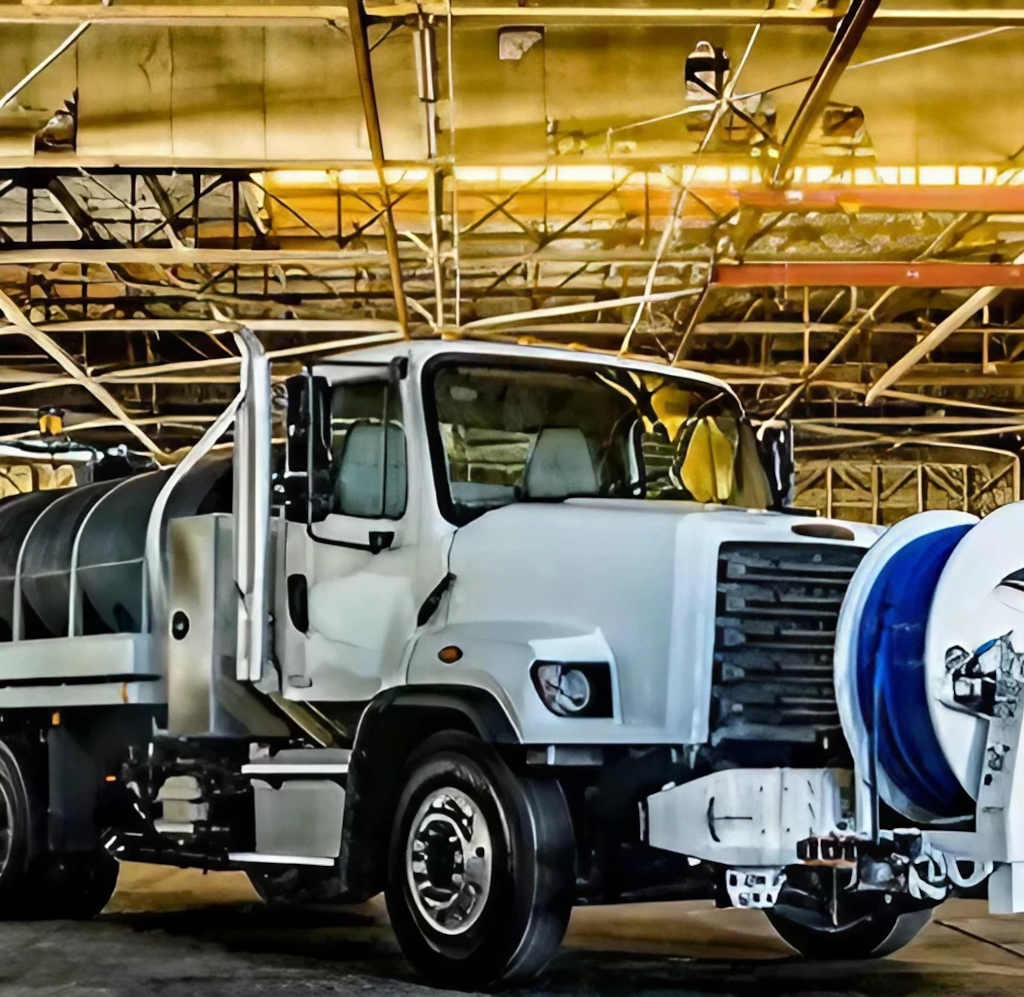
There is no one-size-fits-all cleaning method for industrial piping. A capable contractor should maintain and operate multiple technologies and be able to recommend the right approach for your specific pipe service, diameter, material, and deposit type:
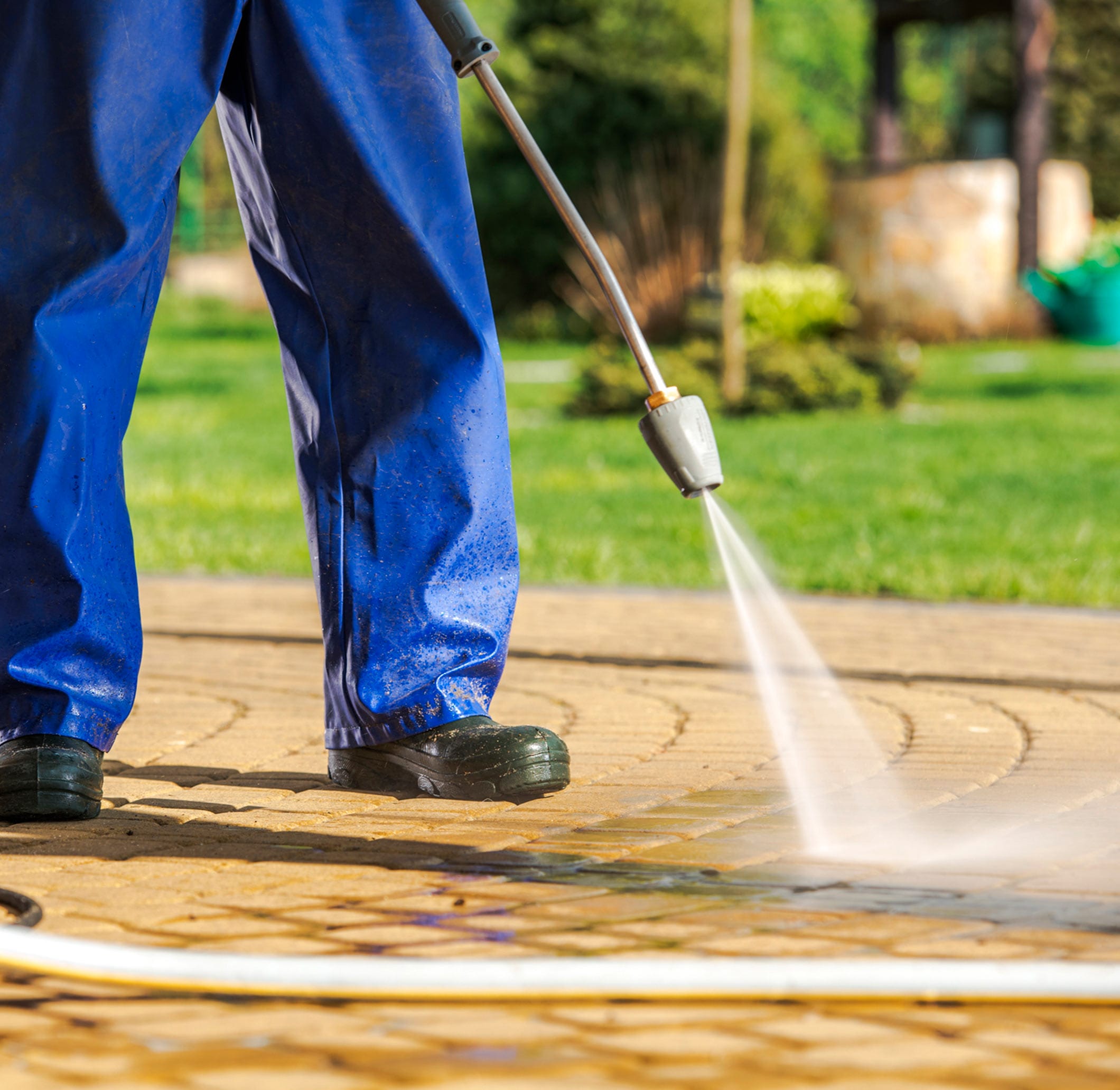
- High-pressure water jetting (hydro jetting): Effective for removing grease, sediment, soft scale, and biological deposits from 2-inch through large-bore lines. Pressures typically range from 2,000 to 40,000 PSI depending on deposit hardness. Learn more about our hydro jetting service.
- Hydroblasting: Ultra-high-pressure water at 10,000 to 40,000 PSI for removing hard scale, mineral encrustation, and tight-bonded coatings. Commonly used in refinery heat-exchanger bundle cleaning and tube-sheet cleaning. TX Hydrojet's hydroblasting service is equipped for these demanding applications.
- Mechanical pipe descaling: Chain flails, cutter heads, and mechanical scrapers sized to the pipe diameter for heavy inorganic scale that high-pressure water alone cannot remove. See our pipe descaling capabilities.
- CCTV inspection integration: The best contractors can combine cleaning with before-and-after pipeline video inspection, giving you a documented record of the pipe's pre- and post-cleaning condition.
Beware of contractors who propose only one method regardless of pipe conditions — that signals limited equipment capability rather than sound engineering judgment.
3. Do You Have Experience with My Industry Sector?
Pipe cleaning in a food-grade facility is governed by entirely different constraints than pipe cleaning in a petrochemical plant or a municipal wastewater treatment facility. Ask the contractor to describe their experience with your specific sector. Relevant questions include: Have you worked in facilities with similar PSM requirements? Do your technicians understand food-safety and sanitation cleaning protocols? Have you performed cleaning work during live turnarounds at Houston-area refineries?
Houston's industrial landscape is diverse — from grain elevators and food processing plants in the port district to benzene and ethylene units along the Ship Channel to pharmaceutical manufacturing in the suburban industrial parks of Harris County. An experienced industrial contractor will be able to describe analogous past projects without breaching client confidentiality.
4. How Do You Handle Waste Water and Debris Disposal?
Industrial pipe cleaning generates a waste stream — the water, solids, scale, and chemical residues removed from the pipe interior. In Houston, industrial wastewater disposal is regulated by the City of Houston's Industrial Pretreatment Program (if discharging to the sanitary sewer) and by TCEQ if the waste contains regulated constituents. Ask the contractor:
- How is the spent cleaning water collected and contained on site?
- Is your vacuum truck permitted to receive and transport industrial wastewater?
- How do you characterize and dispose of solids removed from the pipe?
- Can you provide waste disposal manifests for our compliance records?
A contractor who cannot answer these questions clearly — or who proposes to discharge spent water to a storm drain — is a liability risk for your facility.
5. What Documentation Will You Provide Upon Completion?
Verbal assurances that the pipe is clean are insufficient for regulated industrial facilities. A professional industrial pipe cleaning contractor should provide a written completion report that includes: the pipe systems serviced, the cleaning method applied, the date and duration of service, any anomalies observed during the work, and waste disposal documentation. If the scope includes CCTV inspection, the report should include a condition log with NASSCO PACP codes and a copy of the inspection video.
This documentation protects your facility in regulatory audits and supports your maintenance management system. It also provides a baseline record useful for planning future cleaning cycles based on observed deposit accumulation rates rather than fixed-interval guesswork.
6. What Is Your Emergency Response Capability?
Pipe failures and unexpected blockages do not always happen during business hours. A sewer main backup at a 24/7 chemical plant in Houston can halt production and create an environmental compliance emergency within hours. Ask prospective contractors:
- Do you offer 24/7 emergency response in the Houston area?
- What is your typical mobilization time for an emergency call?
- Do you maintain equipment and trained crews on standby for emergency dispatch?
- Have you responded to emergency spill or discharge situations in industrial settings?
TX Hydrojet provides emergency industrial pipe cleaning response throughout Harris County and the greater Houston area, with crews and equipment available to mobilize around the clock.
7. Can You Provide References from Similar Industrial Accounts in Houston?
Past performance is the most reliable predictor of future performance. Request at least two or three references from industrial customers in Houston who have used the contractor for work similar in scope to your project. When you contact references, ask specifically about safety performance, reliability of scheduling, quality of documentation, and how the contractor handled unexpected complications during the project.
A contractor with a strong industrial track record in Houston will welcome reference requests and will be able to connect you with facility managers or plant engineers who can speak to their experience directly.
Making Your Decision
The lowest-cost bid rarely represents the lowest total cost when safety incidents, inadequate documentation, improper waste disposal, or incomplete cleaning lead to follow-up work, regulatory citations, or production delays. Evaluate industrial pipe cleaning contractors in Houston on the full package: certifications, equipment breadth, industry experience, documentation quality, waste management practices, and emergency response capability.
TX Hydrojet has built its Houston industrial customer base by meeting all seven of these standards on every project. Our crews are certified, our equipment covers the full range of industrial cleaning methods, and our documentation meets the compliance and audit requirements of Houston's most demanding industrial clients.
Ready to discuss your next pipe cleaning project? Call TX Hydrojet at (832) 776-0304 or submit a project inquiry online. We serve industrial facilities, refineries, petrochemical plants, municipal infrastructure, and commercial properties throughout the Houston metropolitan area and Harris County.
TX Hydrojet & Plumbing Team
Our team of licensed, insured plumbers in Houston, TX brings decades of combined experience to every job. We specialize in hydro jetting, drain cleaning, sewer repair, and 24/7 emergency plumbing services across the Greater Houston area.
(832) 776-0304