Cleaning Clay Sewer Pipes in Older Houston Homes
If you own an older Houston home and have ever dealt with recurring slow drains, unexplained sewage odors, or a backyard that stays mysteriously wet long after the rain stops, there's a real possibility the culprit is buried beneath your yard in the form of clay sewer pipe. Knowing how to clean clay pipes in Houston — and when cleaning gives way to replacement — is essential knowledge for homeowners in established neighborhoods where the original clay tile sewer laterals are still in service. TX Hydrojet specializes in servicing these older systems, and our team has worked extensively in the clay-pipe neighborhoods of Houston's Heights, Montrose, Garden Oaks, Oak Forest, Meyerland, and beyond.
What Are Clay Sewer Pipes and How Common Are They in Houston?
Vitrified clay pipe (VCP) was the standard material for residential sewer laterals from roughly the 1880s through the late 1960s, and it continued to be used in some markets into the 1970s. Houston's growth periods of the 1920s through 1950s — which produced the dense residential neighborhoods of the Heights, Montrose, Eastwood, Riverside Terrace, and Westbury — mean that a large percentage of the existing housing stock in these areas was built with clay sewer systems that are now 60 to 100 years old.
Clay pipe itself is durable and chemically inert — it doesn't corrode or degrade the way cast iron does, and properly maintained clay sewer lines can last well beyond 100 years. The problem isn't the material. The problem is Houston's specific soil conditions and the way clay pipe sections were joined together.
Why Houston's Clay Soil Is the Enemy of Clay Pipes
Clay sewer pipes were laid in individual sections — typically 2-foot lengths — with bell-and-spigot joints sealed with oakum, concrete, or mortar. These joints were never truly watertight under sustained ground movement, and Houston's expansive clay soil makes sustained ground movement the default rather than the exception.
Houston sits on some of the most expansive clay soil in North America. During dry periods, the soil contracts and subsides. During wet periods — and with our bayou-adjacent water table and tropical rainfall patterns, wet periods are frequent and intense — the soil expands and heaves. This constant movement over decades causes clay sewer pipe joints to open, offset, and separate. Once a joint opens even slightly, three things happen simultaneously:
- Tree and shrub roots are drawn to the nutrient-rich moisture escaping from the sewer line and infiltrate through the open joint, growing into the pipe and eventually filling it with root mass
- Fine soil particles migrate into the pipe through the same openings, accumulating as sediment that reduces flow diameter
- Sewage begins escaping into the surrounding soil (exfiltration), which is both an environmental problem and the source of the wet spots and odors homeowners notice in their yards
Can Clay Sewer Pipes Be Cleaned, or Do They Need Replacement?
This is the most important question homeowners ask, and the honest answer is: it depends entirely on what the camera shows. TX Hydrojet's approach always begins with a pipeline video inspection before any cleaning recommendation is made for a clay pipe system. The camera assessment tells us:
- Whether root intrusion is present and how severe it is
- Whether joints are offset or separated in a way that would cause jetting to push sewage into the surrounding soil
- Whether sections of pipe have collapsed or bellied (sagged to create a low point that holds wastewater)
- The overall flow capacity remaining in the line after accounting for any accumulation
Clay pipe lines with intact joints and manageable root intrusion are excellent candidates for hydro jetting. Lines with severe offset joints, collapse sections, or extensive bellying may need to be relined or replaced before cleaning is productive.
Hydro Jetting Clay Sewer Lines
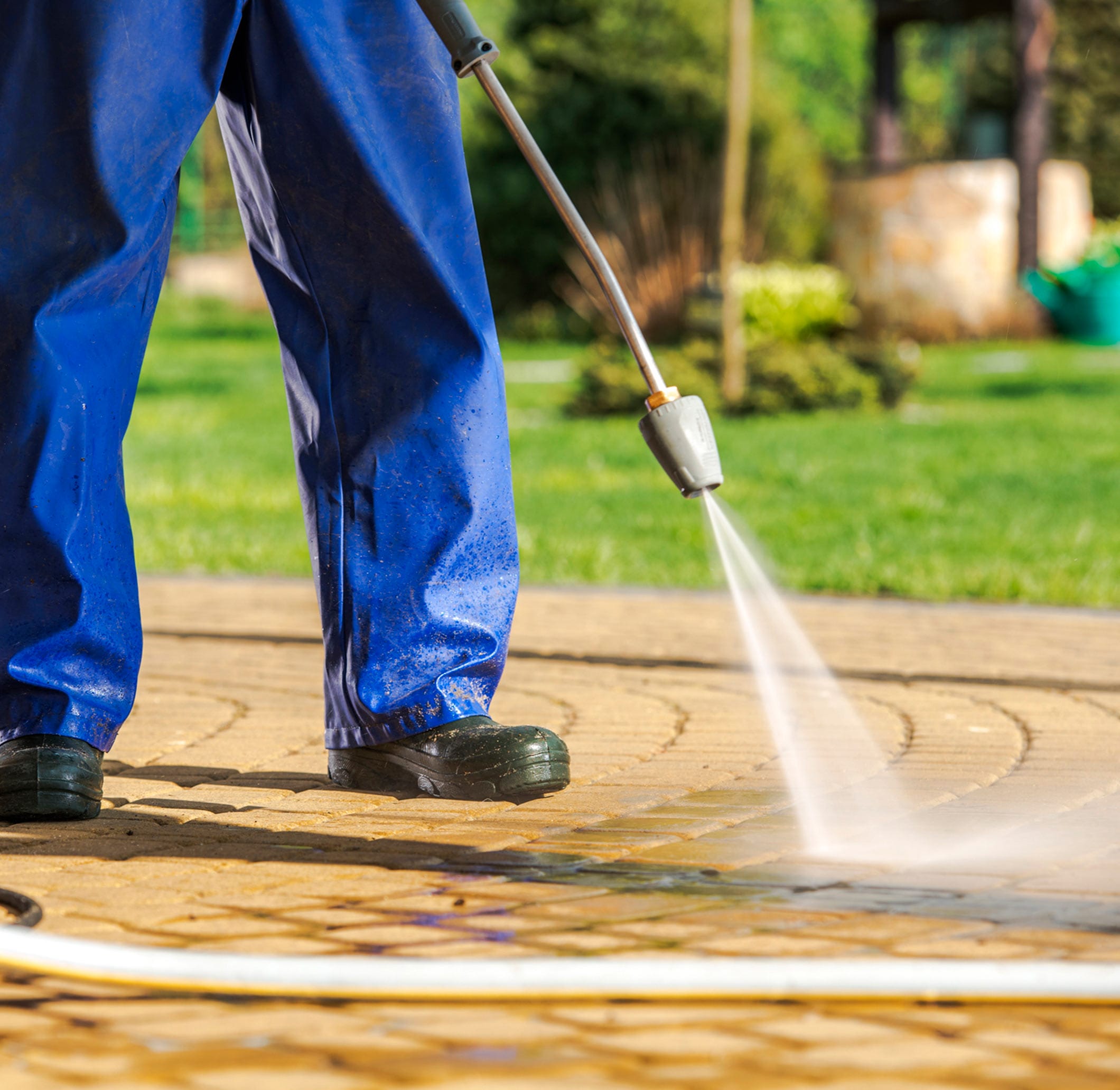
When a clay pipe system is in serviceable condition, hydro jetting is one of the most effective cleaning methods available. High-pressure water (typically 1,500 to 2,500 PSI for older clay systems — lower than we'd use for modern PVC) penetrates and cuts through root masses, flushes accumulated sediment, and clears grease and organic buildup from pipe walls without damaging the clay material.
For clay pipes with root intrusion, jetting is combined with a root-cutting nozzle that mechanically severs root masses inside the pipe before the forward-facing jets flush the debris downstream to the municipal sewer connection. Post-jetting camera verification confirms the line is clear and documents whether any root regrowth or joint deterioration warrants follow-up treatment.
Pipe Descaling for Mineral-Heavy Clay Lines
Houston's water supply — sourced from surface water in Harris County — has a moderate mineral content that deposits calcium carbonate scale on pipe interiors over time. In clay sewer pipes, this scale accumulates gradually on the pipe walls and at joint transitions, contributing to reduced flow capacity independent of any root intrusion or joint problem. For clay lines with significant mineral scale, pipe descaling using chain-flail or mechanical descaling tools combined with hydro jetting removes the hardened deposits and restores the pipe's original flow diameter.
Maintenance Frequency for Clay Pipe Homes in Houston
Homeowners with confirmed clay sewer laterals in established Houston neighborhoods should plan on more frequent maintenance than those with newer PVC systems. A practical maintenance approach:
- Have the line camera-inspected if you've never had it done — this is the essential baseline
- Schedule preventive drain and sewer cleaning every 12 to 18 months if the camera shows active root intrusion
- Re-inspect every 2 to 3 years after a clean jetting to monitor joint condition and root regrowth rate
- Consider pipe lining as a long-term solution if joint separation is documented — lining creates a continuous interior pipe that eliminates joints entirely without requiring excavation
Serving Houston's Historic Neighborhoods
TX Hydrojet serves homeowners throughout Houston's older neighborhoods — the Heights, Montrose, Garden Oaks, Oak Forest, Westbury, Meyerland, Riverside Terrace, Eastwood, and the Museum District — as well as established suburban communities like Bellaire, Pasadena, and South Houston where clay sewer laterals remain common. We understand the specific challenges these systems present and how to address them cost-effectively.
If you're dealing with slow drains, recurring backups, or sewage odors in an older Houston home, call TX Hydrojet at (832) 776-0304 or schedule a camera inspection online. Getting an accurate picture of your clay sewer line's condition is the first step toward keeping it in service — or making an informed decision about lining or replacement — and we'll give you an honest assessment with the video evidence to back it up.
TX Hydrojet & Plumbing Team
Our team of licensed, insured plumbers in Houston, TX brings decades of combined experience to every job. We specialize in hydro jetting, drain cleaning, sewer repair, and 24/7 emergency plumbing services across the Greater Houston area.
(832) 776-0304