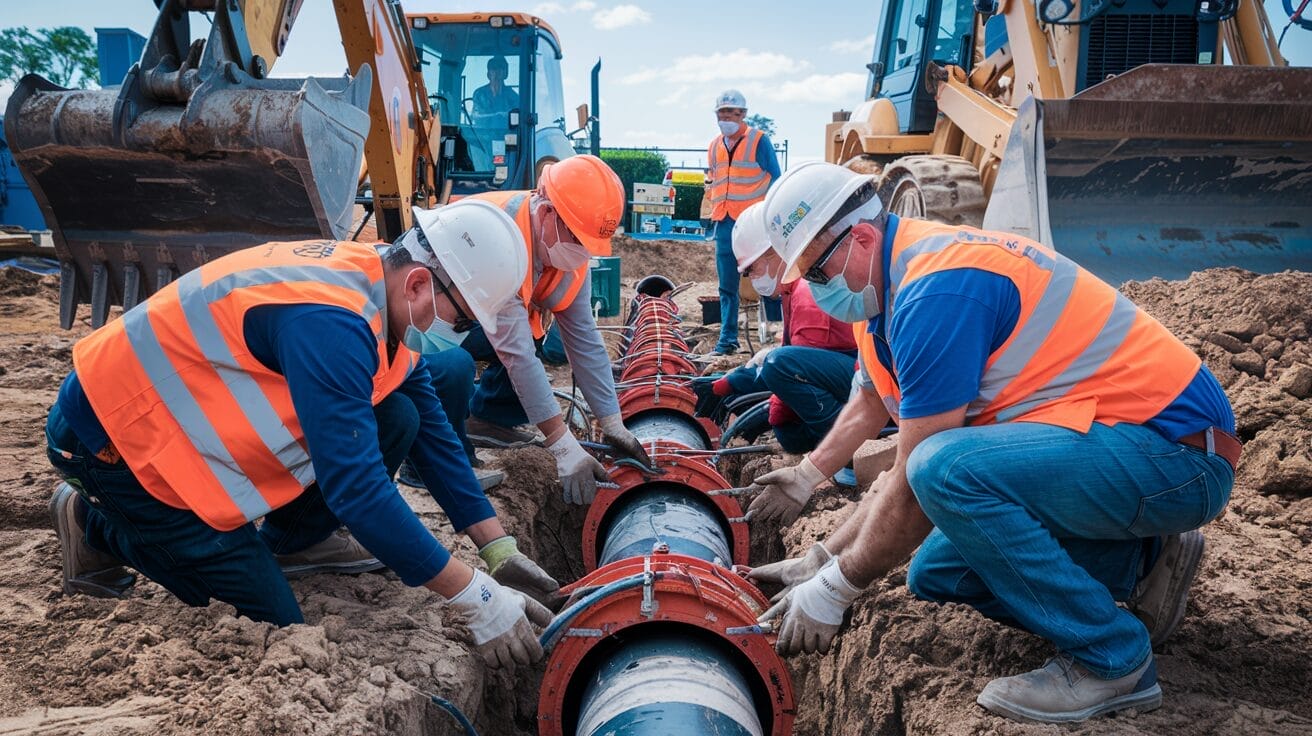
Sewer lines are typically buried between 3 to 8 feet deep. The sewer line depth is also influenced by the need for proper drainage and to avoid interference with other utilities like water lines or electrical cables.
How Deep Are Sewer Lines Buried In Cold Regions
In colder regions, sewer pipes are typically buried at greater depths to prevent freezing. As the ground freezes deeper in these climates, pipes require extra insulation to remain functional through harsh winters. For example, in Minnesota, where the frost depth can reach 80 inches, sewer lines must be buried at least that deep to avoid issues during freezing weather.
How Deep Are Sewer Lines Buried In Warm Regions
In warmer climates, sewer lines don’t need to be buried as deeply. Since the frost depth in warm areas is relatively shallow, sewer lines can be installed closer to the surface without risking freeze damage. For example, in Oklahoma, where the frost line is around 20 inches, sewer pipes are generally buried at that depth.
How Deep Does A Sewer Line Need To Be?
On average, most sewer lines are buried in trenches about 12 to 24 inches or 5 to 6 feet deep, especially in areas with mild or moderate climates. The trench should be wide enough to accommodate the pipe and allow some surrounding soil for additional support and insulation. This depth is generally adequate to protect sewer pipes from minor surface disturbances and allows for soil and sod layers to cover and insulate the pipes, reducing risks from above-ground activities, such as landscaping or light digging.
Why Is Sewer Line Depth Important?
The depth at which sewer lines are buried is crucial for several reasons. Installing sewer lines at an appropriate depth ensures their long-term durability and minimizes the risk of issues related to freezing, blockages, and accidental damage. Here’s a breakdown of why proper sewer line depth matters:
1. Prevents Freezing in Cold Climates
In regions with colder climates, pipes need to be buried below the frost line to prevent freezing in winter. If sewer lines are too shallow, freezing temperatures can block the pipes or cause them to crack, leading to potential sewage backups and costly repairs.
2. Ensures Proper Drainage
Sewer systems rely on gravity to help waste and water flow through pipes smoothly. When installed at the correct depth, the pipes maintain a steady slope, which is essential for efficient drainage. Insufficient depth can disrupt this flow, increasing the risk of blockages and slow drainage.
3. Protects Pipes from Damage
Sewer lines that are buried deeper are less vulnerable to damage from surface activities. Construction projects, heavy traffic, and even minor digging activities like planting trees can cause shallow pipes to crack or break. Deeper pipes are safer from such disturbances, reducing the risk of sudden breaks or leaks.
4. Reduces Risk of Root Intrusion
Tree roots are naturally drawn to water sources, including sewer pipes. Burying pipes at a greater depth can help reduce the chances of root intrusion, a common cause of blockages and pipe damage. When roots infiltrate shallow pipes, they can grow within, creating obstructions and sometimes even breaking the pipes. Deeper pipes provide an extra layer of protection from this type of damage.
5. Complies with Local Regulations
Local building codes often specify minimum depths for sewer line installation to ensure safety and functionality. Compliance with these regulations helps property owners avoid fines and ensures that the system meets the standards necessary for efficient waste management. These requirements may vary by location, with colder climates typically enforcing deeper installations.
6. Promotes Long-Term Durability
Properly installed sewer lines at the correct depth are more durable and less prone to environmental stressors. Deeper lines are shielded from surface-level impacts, weather changes, and accidental damage, helping to extend their lifespan and reduce the need for frequent maintenance or costly replacements.
What Factors Impacts The Depth Of Sewer Line?
1. Local Building Codes and Regulations
Municipalities often set specific requirements for sewer line depth to ensure proper function and safety standards.
2. Climate and Weather Conditions
Colder regions require deeper sewer lines to prevent freezing, while warmer climates may allow for shallower installations.
3. Topography and Soil Conditions
The landscape and soil type, such as rocky or uneven ground, can necessitate deeper trenches to maintain effective drainage.
4. Type of Property or Area
Residential areas generally have shallower sewer lines, whereas commercial or industrial zones may require deeper pipes to handle higher waste volumes.
5. Age of the Sewer System
Older sewer systems were often installed at shallower depths. Modern installations tend to be deeper to meet current standards, reducing issues like root intrusion and damage.


