How Do Tree Roots Get Into Pipes?
TX Hydrojet Team8 min read
Tree-lined neighborhoods across Texas add beauty and shade, but those same trees can create serious plumbing problems.
In older areas of Houston, Dallas, and Houston, many sewer and water lines run close to large oaks, pecans, and maples. And when roots find their way into pipes, homeowners often face recurring clogs, slow drains, and even sewage backups.
It’s a problem plumbers see every day—but many homeowners wonder how roots actually manage to break into a closed pipe . Here’s a breakdown of how it happens.
Why Tree Roots Target Sewer Pipes
Tree roots are always searching for water, oxygen, and nutrients to support growth. Unfortunately for homeowners, that means sewer and drain lines are the perfect source. These pipes carry warm, moisture-rich water filled with organic material—exactly what roots are drawn to. Even the smallest leak or crack in a pipe can release enough moisture to attract root hairs in the surrounding soil. Once roots detect that source, they grow directly toward it, wrapping around the pipe and eventually finding a way inside. Over time, those small root hairs expand into thick masses that clog the line and weaken the pipe itself.How Do Tree Roots Get Into Pipes?
Tree roots don’t need a large opening to invade a pipe. They usually slip through small weaknesses that develop over time and then expand as they grow. Some of the most common entry points include:- Cracks in Aging Pipes – Clay and cast-iron pipes, common in older Texas homes, are prone to cracking. Even a hairline fracture can release enough moisture to attract roots.
- Loose Joints and Connections – Over the years, pipe joints can shift or loosen, leaving tiny gaps. Roots naturally follow these weak spots and work their way inside.
- Shifting Soil – Texas’s clay-heavy soil expands during wet periods and contracts during droughts. This movement puts stress on pipes, creating openings where roots can enter.
What Happens After Roots Enter Pipes
Once tree roots find their way inside a pipe, the problem doesn’t stay small for long. As roots expand, they act like a natural filter, catching toilet paper, grease, and other debris that passes through the line. This creates partial clogs that eventually develop into full blockages. In many cases, homeowners notice slow drains or frequent backups long before realizing roots are the cause. The pressure from growing roots also makes existing cracks and gaps worse. Over time, this can lead to fractured or collapsed pipes that require major repairs. In some situations, sewage may even back up into the home or leak into the yard, creating both a health hazard and a costly cleanup.Signs of Tree Roots in Your Pipes
Tree roots usually invade pipes slowly, so the symptoms may start out subtle. Over time, though, the signs become harder to ignore. Here are the most common red flags:- Slow drains throughout the house – When more than one drain empties slowly, it often points to a deeper problem in the main line.
- Frequent clogs – If clogs return soon after cleaning, roots may be catching debris and causing recurring blockages.
- Gurgling sounds – Bubbling or gurgling noises in toilets, tubs, or sinks often indicate trapped air in the sewer line caused by root intrusion.
- Foul odors – Sewage smells inside the home or outside in the yard can signal a blockage or leak from roots breaking through pipes.
- Wet patches or sinkholes – If wastewater leaks , you may notice soggy areas or depressions forming in the yard near sewer lines.
Why This Problem Is Common in Texas
Tree root intrusion can happen anywhere, but it’s especially common in Texas because of a unique mix of soil, climate, and infrastructure. Many older neighborhoods in Houston, Dallas, and Houston, especially, still rely on clay or cast-iron sewer lines. These materials are more vulnerable to cracking and shifting over time, which creates openings for roots. Modern PVC pipes are more resistant, but they aren’t immune if the soil shifts heavily around them. Texas’s expansive clay soils also play a big role. During long, hot summers, the soil contracts and stresses pipes. When heavy rains or floods arrive, the soil swells again. This cycle of expansion and contraction creates cracks and gaps that roots can exploit. On top of that, Texas yards often feature large shade trees like oak, pecan, and maple. In hot, dry weather, these trees send roots deep and wide in search of water. Sewer lines carrying moisture and nutrients are an irresistible target. This combination of aging pipes, shifting soil, and thirsty trees makes Texas homeowners especially likely to face tree root problems in their plumbing.Professional Solutions for Root Intrusion
Once tree roots invade a sewer line, DIY fixes won’t solve the problem. Professional plumbers use specialized tools and proven methods to clear blockages and restore pipe flow.Hydrojetting with Root-Cutting Nozzles
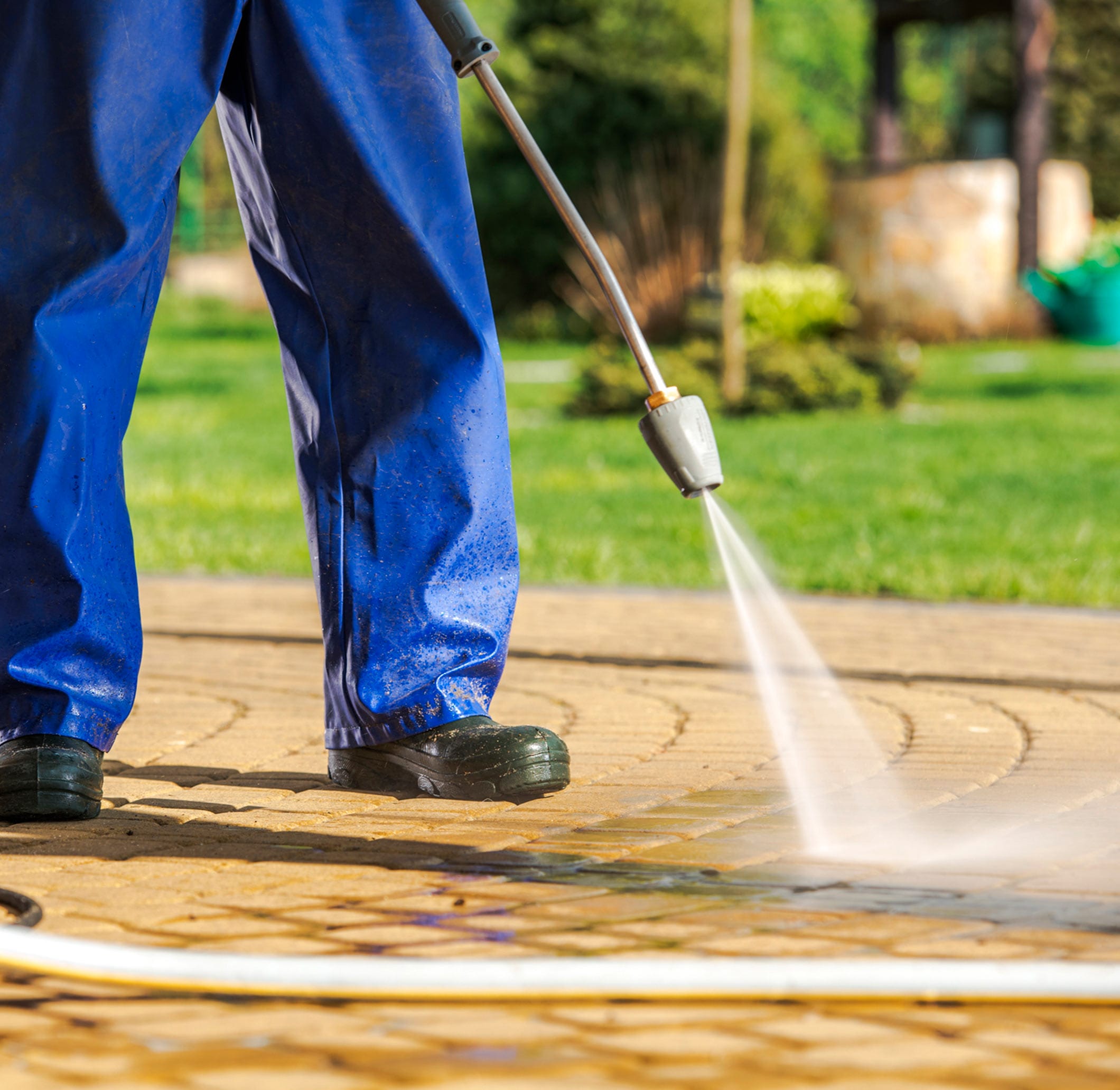
Hydrojetting is one of the most effective ways to cut through root systems inside pipes. Special nozzles not only clear the roots but also flush away the debris, leaving the pipe walls clean.Mechanical Augers
Also known as drain snakes, augers use rotating blades to cut and break apart root masses. This is often a first step in clearing heavy blockages.Pipe Repair or Replacement
If roots have caused cracks, breaks, or collapses, such as pipe lining or bursting may be recommended. These techniques fix or replace the damaged section without up the entire yard.Preventing Tree Roots from Entering Pipes
While professional removal solves the immediate problem, prevention is the best long-term strategy. If you’re a Texas homeowner, you can take several steps to protect your sewer lines from future root intrusion.- Schedule Regular Sewer Inspections – A video camera inspection every few years can catch early signs of root intrusion before clogs and damage occur.
- Be Strategic with Landscaping – Avoid planting trees or large shrubs directly above sewer lines. If you’re adding new trees, choose slow-growing species with smaller root systems.
- Install Root Barriers – In yards with valuable trees near sewer lines, physical root barriers can be installed to redirect roots away from pipes.
- Routine Hydrojetting Maintenance – For homes in older neighborhoods or with a history of root problems, periodic hydrojetting helps keep pipes clear and less vulnerable to blockages.
- Address Leaks Promptly – Even small leaks in pipes can attract roots. Having pipes repaired quickly reduces the chance of intrusion.
Final Thoughts: Protect Your Pipes from Tree Roots
Tree roots are a leading cause of sewer line damage in Texas, thanks to a mix of aging pipes, shifting soils, and thirsty shade trees. Once roots find their way inside, they expand quickly, creating clogs, leaks, and even collapsed pipes. What starts as a small problem can turn into a costly emergency if ignored. By understanding how and why roots invade pipes, homeowners can take steps to protect their plumbing systems. Regular inspections, preventive maintenance, and smart landscaping choices all reduce the risk of intrusion. And if you suspect roots are already causing problems, professional hydrojetting, augers, and pipe repairs provide lasting solutions. Addressing tree root problems early not only saves money but also helps keep your home’s plumbing system safe and reliable for years.Tree Root & Pipe FAQs
How can I tell if tree roots are in my sewer line?
Signs include frequent clogs, slow drains throughout the home, gurgling toilets, foul odors, or soggy patches in the yard.Do tree roots always mean I need to replace my pipes?
Not always. If damage is minimal, hydrojetting or mechanical cutting can clear roots. Replacement is only needed if the pipe is severely cracked or collapsed.Is hydrojetting safe for removing tree roots?
Yes. Hydrojetting with specialized root-cutting nozzles is one of the safest and most effective ways to clear roots without up your yard.Can tree roots grow into PVC pipes?
PVC pipes are more resistant than clay or cast-iron, but they can still be invaded if joints loosen or the soil shifts and creates gaps.How much does tree root removal from pipes cost in Texas?
The cost depends on the severity of the intrusion and whether repairs are needed. An inspection gives the most accurate estimate.TX Hydrojet & Plumbing Team
Our team of licensed, insured plumbers in Houston, TX brings decades of combined experience to every job. We specialize in hydro jetting, drain cleaning, sewer repair, and 24/7 emergency plumbing services across the Greater Houston area.
(832) 203-7987