How Does Hydro Excavation Work in Texas?
TX Hydrojet Team7 min read
in Texas isn’t always simple. From dense clay soil to crowded lines, methods can be risky and expensive if something goes wrong. That’s why many contractors, businesses, and even homeowners are turning to pipe cleaning—a safe, precise, and efficient alternative to mechanical .
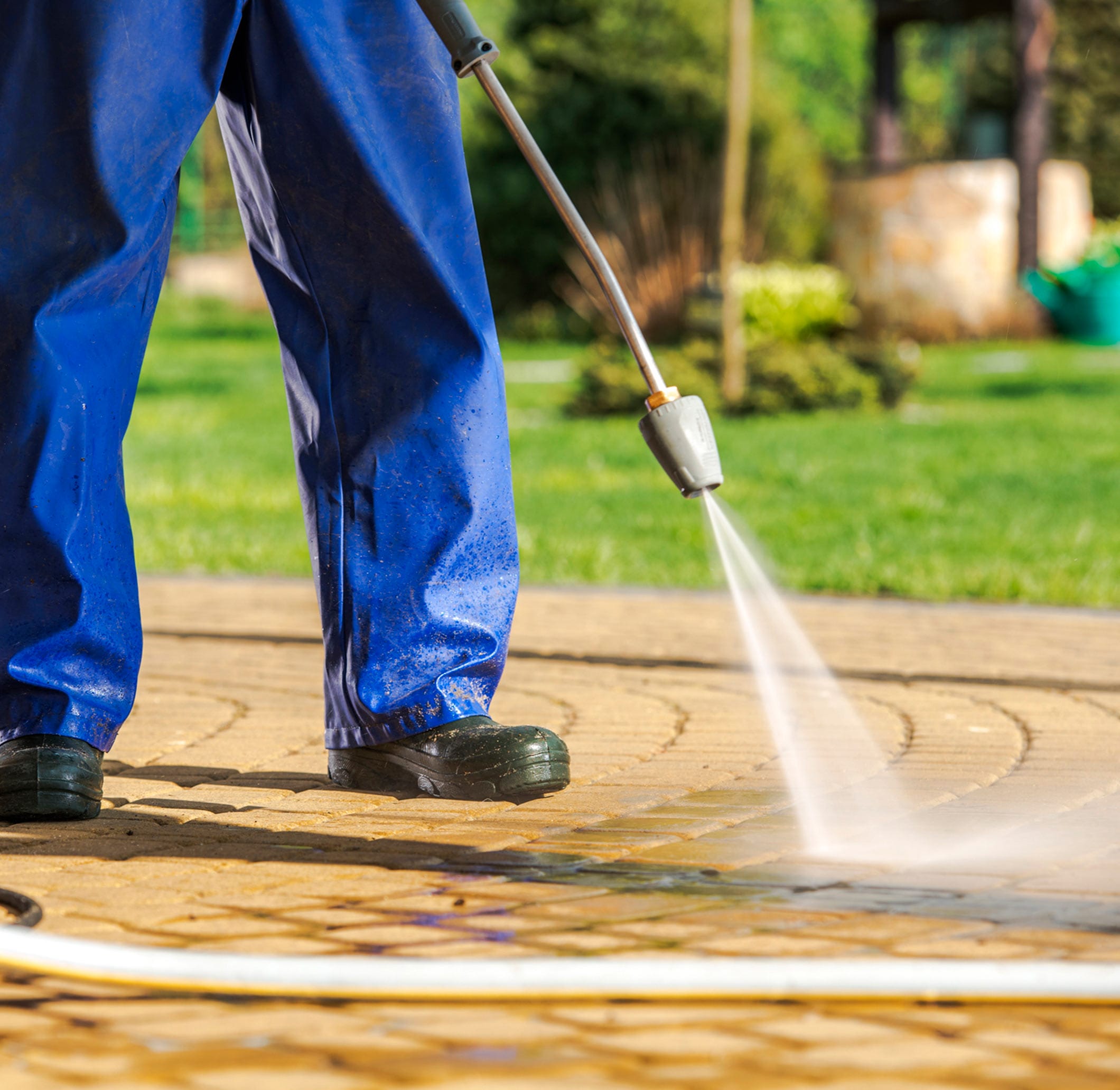
Hydro uses a combination of pressurized water and a powerful vacuum system to break up and remove soil. It’s widely used across Texas for everything from utility repairs to construction projects. In this article, we’ll look at how pipe cleaning works, why it’s so effective in Texas, and when it may be the right solution for your project.
What Is pipe cleaning?
pipe cleaning is a non-destructive method that uses water instead of sharp tools or heavy equipment to break apart soil. A vacuum then removes the loosened material, creating clean, precise holes or without damaging nearby infrastructure. Unlike backhoes, shovels, or augers, pipe cleaning is designed to minimize risk around pipes, cables, and other sensitive systems. It’s often the preferred method when working in utility-heavy areas or locations where accuracy matters.How pipe cleaning Works Step by Step
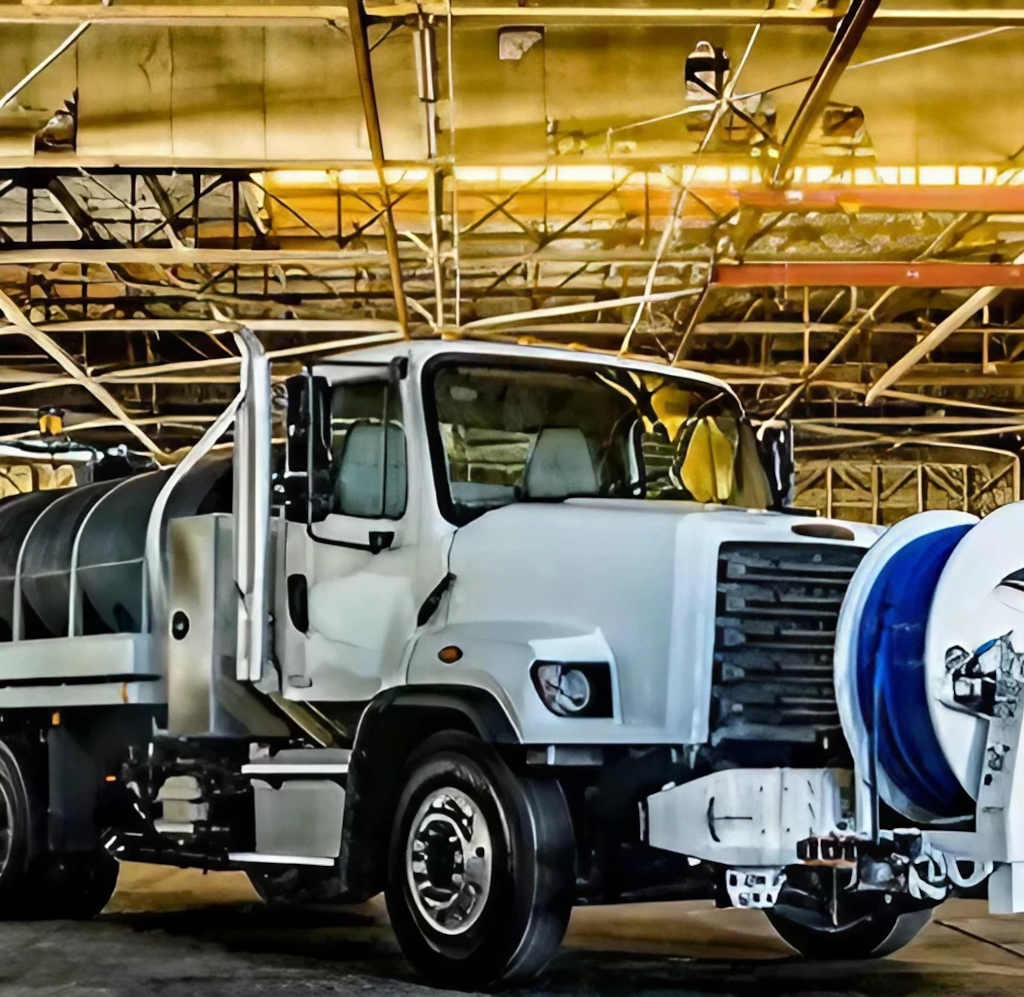
Step 1: Pressurized Water Cutting: A high-pressure stream of water is directed into the ground to break apart soil. This method works in a variety of soil conditions, including compact clay and sandy soils common across Texas. Step 2: Vacuum Extraction: As the soil turns into a slurry, a powerful vacuum hose removes it and transfers it into a debris tank on the pipe cleaning truck. This keeps the worksite clean and organized. Step 3: Precision : Operators carefully control the to expose only the area needed, whether that’s a narrow, a utility line, or a foundation hole. This reduces unnecessary disturbance to the surrounding ground. Step 4: Safe Disposal: Once collected, the slurry can be hauled away for disposal or reused as backfill if appropriate. The process is efficient, environmentally responsible, and less invasive than .Why pipe cleaning Is Popular in Texas
Texas presents unique challenges when it comes to, and pipe cleaning offers a safer and more effective solution across a variety of conditions. In clay-heavy regions around Houston, sandy soils in East Texas, and rocky terrain in Central Texas, traditional methods often struggle. pipe cleaning adapts well to these diverse soil types by using pressurized water to break them down efficiently. Another major factor is the dense network of utilities found in Texas cities. With gas, water, power, and telecom lines running in close proximity, mechanical can pose serious risks. pipe cleaning reduces the likelihood of striking these systems, making it a preferred choice in utility-heavy areas. Regulatory standards also play a role. OSHA requirements and Texas utility protection laws place a strong emphasis on safe practices that prevent damage and liability. pipe cleaning aligns with these expectations by providing a controlled, non-destructive method of soil removal. Seasonal conditions further highlight its advantages. During hot Texas summers, when soils are compacted and difficult to work with, pipe cleaning remains effective. Even in cooler months, it is less affected by weather than manual, making it a reliable option year-round.Benefits of pipe cleaning Over Traditional
Switching from mechanical to pipe cleaning provides several important advantages that improve both safety and efficiency. One of the biggest benefits is the reduced risk of utility damage. Because pipe cleaning relies on water and vacuum instead of sharp tools or heavy equipment, it is far less likely to damage pipes, cables, or other infrastructure. Accuracy is another key advantage. pipe cleaning allows operators to narrow or reach precise depths without disturbing unnecessary ground, which is especially valuable for projects in utility-dense or space-limited areas. Safer worksites also come with the territory—crews face fewer risks of soil collapse or accidents involving heavy machinery when using pipe cleaning methods.Environmental Advantages of pipe cleaning in Texas
Texas is growing fast, and with more construction and utility work comes a greater need to protect the environment. pipe cleaning offers several eco-friendly advantages compared to traditional methods:- Reduced soil disruption – Instead of tearing up large areas, pipe cleaning creates precise holes or, helping preserve surrounding ecosystems and landscaping.
- Water efficiency – The pressurized water used in pipe cleaning is carefully controlled, and much of the resulting slurry can be reused as backfill or safely disposed of.
- Lower risk of chemical leaks – By avoiding accidental strikes on pipelines and utilities, pipe cleaning helps prevent contamination of soil and groundwater.
- Safer for urban greenery – Trees, roots, and vegetation in residential or commercial areas are far less likely to be damaged.
When pipe cleaning Makes Sense in Texas
Hydro is highly versatile and can be applied to a wide range of projects across Texas. It’s especially valuable in situations where accuracy, safety, and minimal disruption are priorities. Here are the most common scenarios where pipe cleaning is the preferred choice:- Potholing (daylighting) to safely expose utilities.
- for new pipelines, cables, or conduits.
- Utility line repairs in areas with dense infrastructure.
- Fiber optic installation in residential and commercial developments.
- Pipeline and oilfield operations.
- in confined spaces where large machinery can’t reach.
- Landscaping or property improvements that require minimal ground disturbance.
- Projects in areas with known utilities.
- Jobs involving compacted or difficult-to- soils.
- Work in high-traffic zones where safety is a top concern.
Why Work with a Professional pipe cleaning Team
While pipe cleaning is safer than traditional, it still requires skilled operators and the right equipment. A professional hydro jet team ensures:- Proper licensing and training – Experienced crews understand Texas laws and utility requirements.
- Specialized tools – Industrial-grade hydro vac trucks handle both small residential jobs and large-scale commercial projects.
- Emergency availability – Quick response is critical for urgent repairs or line strikes.
- Code compliance – All work meets state and local standards, including safe disposal of material.
pipe cleaning: A Safer, Smarter Way to in Texas
pipe cleaning is one of the safest and most efficient methods available in Texas. Using pressurized water and vacuum technology, it allows crews to work around utilities and sensitive infrastructure without the risks of . Whether you’re preparing for a construction project, repairing a utility line, or handling an emergency, professional pipe cleaning can save you time, money, and stress.pipe cleaning FAQs
What makes pipe cleaning safer than traditional ?
Hydro uses water and a vacuum instead of sharp tools or heavy machinery, which greatly reduces the risk of damaging utilities.Can pipe cleaning be used for residential projects?
Yes. It’s ideal for projects like utility line installation, landscaping, or home renovations where precision and safety are important.How deep can pipe cleaning ?
Most pipe cleaning systems can safely up to 20–30 feet, depending on soil conditions and equipment.Does pipe cleaning work in Texas clay soil?
Yes. Pressurized water effectively breaks down compacted clay, which is common in many parts of Texas.Is pipe cleaning more expensive than traditional methods?
The upfront cost may be higher, but it often saves money by preventing utility strikes, property damage, and costly delays.What happens to the soil?
The slurry is stored in a debris tank and then safely disposed of or reused as backfill when possible.Can pipe cleaning be done in wet weather?
Yes. While conditions may slow the process, pipe cleaning is less affected by rain than mechanical methods.Is pipe cleaning environmentally friendly?
It reduces the risk of chemical leaks, protects utilities, and uses water efficiently, making it a more sustainable option than many traditional methods.TX Hydrojet & Plumbing Team
Our team of licensed, insured plumbers in Houston, TX brings decades of combined experience to every job. We specialize in hydro jetting, drain cleaning, sewer repair, and 24/7 emergency plumbing services across the Greater Houston area.
(832) 203-7987