How Long Does Hydrojetting Take?
TX Hydrojet Team9 min read
If you're dealing with recurring drain clogs or slow-moving plumbing in your home or business, hydrojetting may be the solution you've been looking for. But before you schedule an appointment, you might be wondering: how long does hydrojetting actually take?
In this blog, we'll break down the average timeline for a hydrojetting service, what factors affect the duration, and what to expect during the process. We'll also explain why working with an experienced Houston plumber like TX Hydrojet makes a big difference—especially in Texas, where clay soils, tree roots, and heavy storms often contribute to serious drain issues.
What Is Hydrojetting?
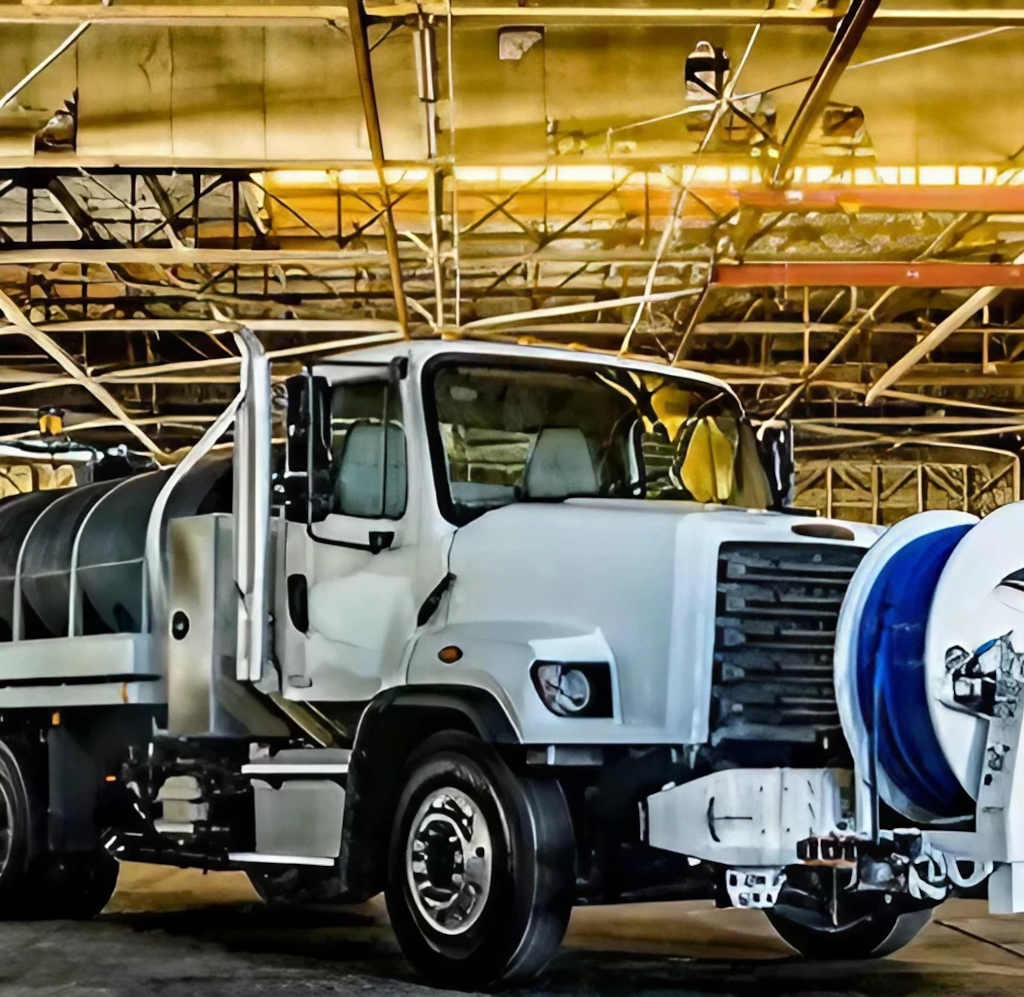
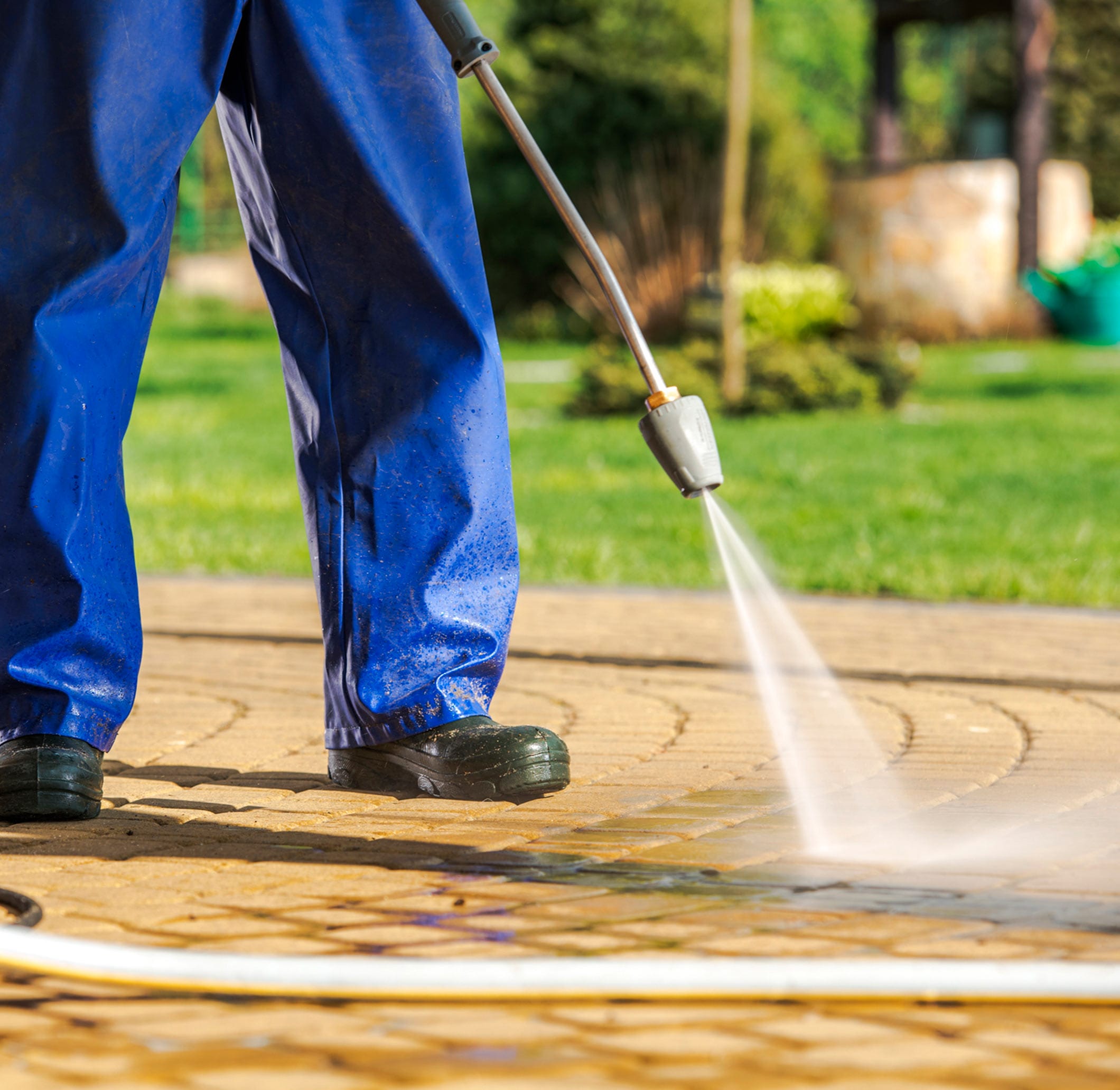
Hydrojetting is a plumbing technique that uses a high-pressure stream of water to clean the interior walls of pipes and remove buildup, clogs, and debris. It's far more effective than snaking alone and can clear everything from grease to tree roots without using harmful chemicals. This method is ideal for both residential and commercial plumbing systems. At TX Hydrojet, we use industrial-grade equipment that safely delivers powerful results, leaving your pipes as clean as the day they were installed.Average Time Required for Hydrojetting Jobs
Most hydrojetting appointments take between 60 and 90 minutes from start to finish. The timeline can vary based on the type and severity of the clog, pipe layout, and accessibility. Here's a rough breakdown of how a typical job unfolds:- Assessment and camera inspection: 15 minutes
- Hydrojetting process: 30 to 60 minutes
- Post-cleanup and final inspection: 15 minutes
Key Factors That Affect Hydrojetting Duration
Several conditions influence how long a hydrojetting service takes. While many jobs can be completed in under an hour, others may take significantly longer, depending on the situation. Understanding these variables can help you set expectations and better plan for the service.Severity of the Clog
The type and extent of the blockage is the biggest factor affecting cleaning time. A simple kitchen grease clog may only take 30 minutes to clear, but if the pipe is packed with years of hardened grease, mineral scale, or dense tree roots, the job becomes more complex. In cases of solidified debris or multiple compacted blockages, the technician may need to make multiple passes with different jetting nozzles to fully clear the line. Severe clogs also require more water pressure and time to break down safely and completely.Pipe Length and Design
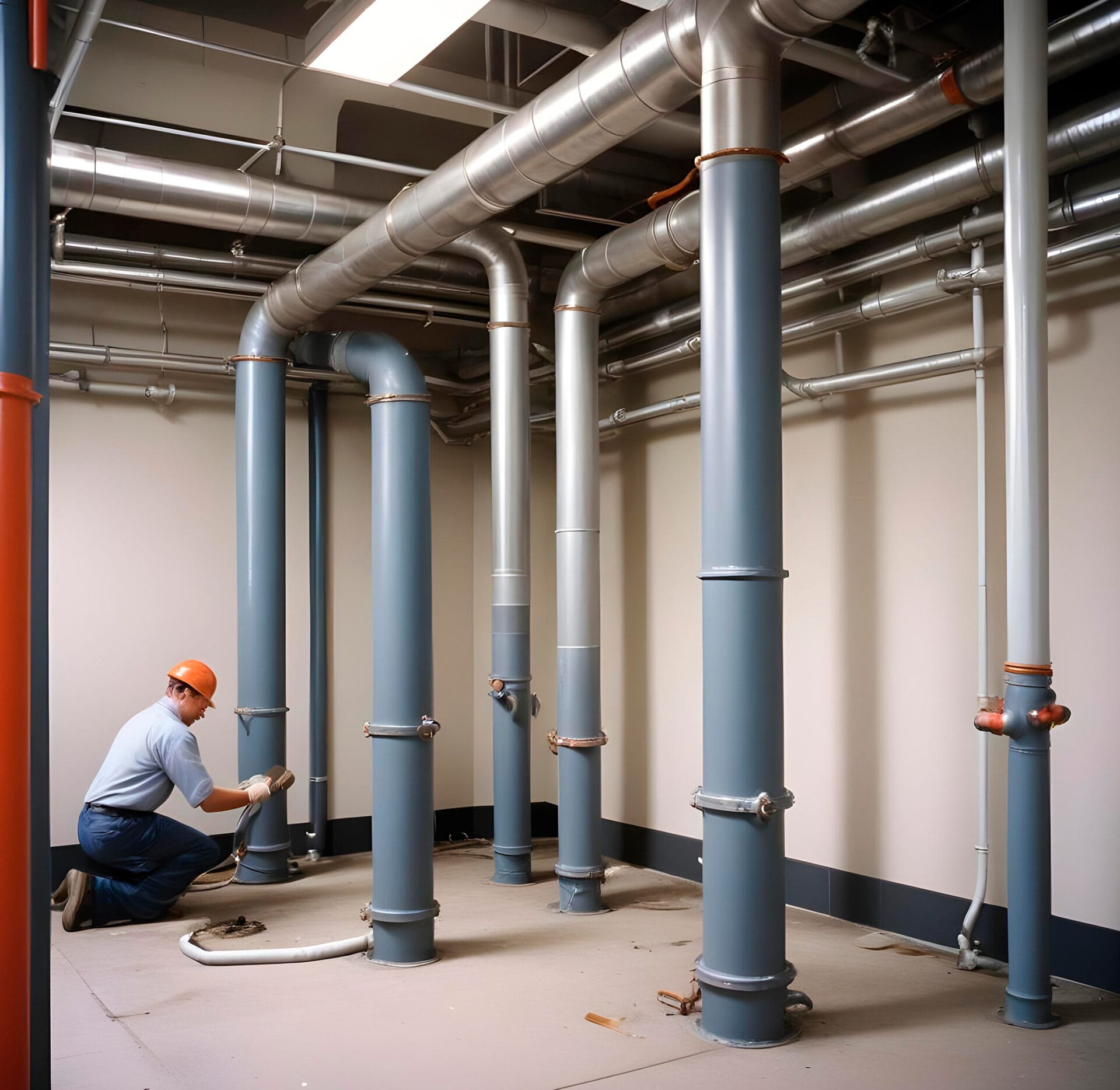
The size and configuration of your plumbing system plays a big role in how long hydrojetting takes. A short residential drain line will be much quicker to clean than a multi-level commercial drainage system with multiple branch lines and bends. In homes with long runs of pipe, sharp turns, or junctions that are difficult to navigate, the technician must take extra care to guide the hose and ensure every section is properly flushed. This can add anywhere from 20 to 60 minutes to the process.Access Points
The ease of access to your plumbing system can either streamline or slow down the entire procedure. In homes with accessible cleanouts near the exterior wall or basement, setup is fast. But in homes with slab foundations or older properties without a clear access point, locating or opening the drain takes extra time. If a cleanout is blocked or hidden under landscaping, or other work may be needed to reach it safely. This setup phase can add 30 minutes or more to the service.Commercial Plumbing Systems
Commercial and industrial buildings introduce additional layers of complexity. Restaurants often deal with heavy grease buildup and require jetting for multiple sinks, floor drains, and grease traps. Apartment complexes may have shared waste lines serving dozens of units. In these cases, technicians must clean several points in the system and test each for full clearance. These larger jobs typically require specialized equipment, longer hoses, and more detailed inspection before and after jetting, resulting in job durations of two hours or more.Pipe Condition
Older pipes—especially those made of cast iron or clay—require a gentler touch. High-pressure water can damage fragile pipe walls if not handled correctly. Before jetting, TX Hydrojet performs a video inspection to assess the pipe's integrity. If corrosion, cracks, or deterioration is present, the technician will reduce the water pressure and work slowly to avoid further damage. This conservative approach ensures safety but also adds to the time required.Storm-Related Blockages
In Texas, sudden and severe storms are common, especially during hurricane season or flash flood events. These storms can cause outdoor drains, gutters, and yard lines to fill with mud, silt, leaves, and even small branches. Unlike typical indoor clogs, these blockages may extend deep into the drainage system and require more aggressive and sustained jetting. Clearing storm-related debris also involves checking that runoff systems are working correctly, which can take additional time during the appointment.System Age and Maintenance History
The overall age of the plumbing system and how well it's been maintained in the past can impact how long the job takes. A well-maintained system that's jetted annually will take far less time to service than one that hasn't been touched in 15 years. Debris builds up in layers over time, and jetting through years of sludge or sediment takes considerably longer to do safely and thoroughly.When Is Hydrojetting the Right Choice?
Hydrojetting is best when:- Traditional snaking methods haven't solved the problem
- You experience frequent backups or slow drains
- You suspect grease, scale, or mineral buildup in your pipes
- You want a preventive cleaning before selling your property
- Your plumbing has been affected by recent storms or tree root intrusion
What to Expect During Your Appointment
Here's what happens during a standard hydrojetting service with TX Hydrojet: Pre-Inspection: We start with a video camera inspection to identify the clog location and check pipe condition. Set Up: Our technician locates the best access point, usually through a cleanout. Jetting: High-pressure water is delivered into the pipe to blast away debris. Post-Inspection: We recheck the line with our camera to confirm full clearance. Clean-Up: Equipment is removed, and the work area is left clean. Most of our jobs are minimally invasive and do not require or disruption to your property.Why Choose TX Hydrojet?
When it comes to hydrojetting, experience matters. TX Hydrojet is a trusted Houston plumber with years of experience serving homes and businesses across the region. We understand the unique drainage issues caused by Houston's weather, clay-heavy soil, and mature trees. We offer:- Licensed technicians with expert knowledge
- Advanced equipment tailored for Texas plumbing systems
- 24/7 emergency service for urgent blockages
- Transparent pricing and no unnecessary upsells
Fast, Thorough Drain Cleaning That Works
Most hydrojetting jobs can be completed in under two hours. That's a small time investment for the peace of mind that comes from knowing your pipes are clean, clear, and flowing smoothly. If you've noticed slow drains, frequent backups, or unexplained odors, don't wait. Let TX Hydrojet inspect your lines and deliver a safe, effective hydrojetting service that keeps your plumbing in top shape. We serve Houston and the surrounding areas with prompt, professional care.FAQs
How long does hydrojetting take for a home?
Most residential hydrojetting jobs take between 30 and 60 minutes. The exact time depends on the size of the clog, the length and condition of your plumbing line, and whether we need to perform any additional prep or inspection.Do I need to be home during hydrojetting?
Not necessarily. As long as we have access to your plumbing cleanout or the main service entry, you can coordinate the visit remotely. Many customers prefer this option for convenience.Is hydrojetting faster than snaking?
Yes. Hydrojetting typically clears blockages more quickly and thoroughly than snaking, especially when dealing with grease, sludge, or scale buildup that a snake can't fully remove.Does hydrojetting require a full plumbing inspection first?
Yes. We always perform a video inspection beforehand to identify the clog type, locate problem spots, and ensure your pipes can safely handle the water pressure.Can hydrojetting be done in bad weather?
In most cases, yes. Our equipment functions in rain or heat, but if there's severe flooding or lightning risk, we may need to delay service for safety and effectiveness.How long will my drains stay clean after hydrojetting?
Hydrojetting can keep your pipes clear for anywhere from six months to several years, depending on how often your system is used and whether preventative steps are taken.Can hydrojetting damage my pipes if it's rushed?
Not when handled by trained professionals. At TX Hydrojet, we calibrate pressure levels based on your pipe's age, material, and overall condition to ensure a safe clean.What if the clog returns quickly after jetting?
If your drain clogs again soon, we'll reinspect the line to check for underlying damage or invasive roots. We'll then recommend lasting fixes, such as pipe relining or root barriers.Is hydrojetting safe for older homes in Texas?
Yes, with proper inspection. Older homes often have clay or cast iron pipes, which we treat carefully by adjusting pressure and using specific nozzles to avoid pipe damage.How fast can TX Hydrojet arrive in an emergency?
We provide 24/7 emergency service and aim to be at your property within 60 minutes for most Houston-area locations. Fast response helps prevent serious water damage or backups.TX Hydrojet & Plumbing Team
Our team of licensed, insured plumbers in Houston, TX brings decades of combined experience to every job. We specialize in hydro jetting, drain cleaning, sewer repair, and 24/7 emergency plumbing services across the Greater Houston area.
(832) 203-7987