How Often Should Industrial Pipes Be Cleaned? A Houston Facility Guide
One of the most common questions facility managers and plant engineers ask TX Hydrojet is: how often should industrial pipes be cleaned? There is no single universal answer, but there is a structured framework for making that decision — one based on pipe service conditions, material, diameter, and historical maintenance data. For Houston-area facilities, local factors like the hard municipal water supply, humidity-driven corrosion, and the heavy process loads typical of refinery and petrochemical operations add additional dimensions to the calculation.
Why Industrial Pipe Cleaning Frequency Matters
Irregular or infrequent cleaning of industrial pipes creates compounding problems. Deposits narrow the effective bore of the pipe, reducing flow capacity and forcing pumps to work harder — raising energy costs and accelerating pump wear. Scale and biofilm create sites where corrosion accelerates beneath the deposit layer. In food-grade, pharmaceutical, or potable-water distribution systems, biological buildup can create compliance violations. In cooling water and heat-exchanger circuits, fouling directly degrades thermal efficiency and can lead to unplanned process shutdowns.
For Houston facilities near the Ship Channel operating under TCEQ permits, evidence of uncontrolled industrial discharge from fouled pipes or failed effluent systems can trigger enforcement actions. A documented industrial pipe cleaning frequency schedule, backed by inspection records, demonstrates proactive compliance management to regulators.
Key Factors That Determine Cleaning Frequency
1. Pipe Service Type
Different pipe systems accumulate deposits at very different rates:
- Cooling water circuits: Mineral scale, biological fouling (including Legionella risk), and suspended solids buildup are aggressive in Houston's climate. Many facilities clean cooling water piping on a quarterly to semi-annual basis during planned outages.
- Process wastewater and effluent lines: Organic solids, grease, and chemical precipitates can accumulate rapidly depending on process chemistry. Monthly to quarterly cleaning is common for high-load lines.
- Fire water mains: These pipes sit stagnant most of the time, making them vulnerable to microbiological influenced corrosion (MIC) and tuberculation. Annual flushing and periodic inspection is a fire-code and insurance-driven requirement.
- Steam condensate and process water lines: Scale buildup depends heavily on the mineral content of make-up water. Houston's moderately hard water supply means scale management is an ongoing task.
- Stormwater and site drainage: Sediment accumulation depends on site surface conditions and rainfall. Post-storm cleaning after major events, plus at least one scheduled annual clean, is typical for Houston facilities given the region's intense rainfall cycles.
2. Pipe Material and Age
Carbon steel pipes corrode and develop internal tuberculation over time, accelerating deposit buildup. Older facilities with original carbon steel process piping often need more frequent cleaning than newer installations using stainless, HDPE, or lined pipe. Cast-iron sewer and drain piping, common in older Houston industrial buildings, is especially susceptible to heavy scaling and root intrusion.
3. Operating Temperature and Flow Velocity
Low-flow or intermittently operated pipes accumulate solids and biological growth faster than continuously flowing lines. Lines that operate below the self-cleaning velocity for the conveyed material require more frequent mechanical or hydraulic cleaning to prevent deposit buildup.
4. Regulatory and Insurance Requirements
Some cleaning intervals are not discretionary. TCEQ industrial wastewater permit conditions may specify inspection and maintenance frequencies for effluent collection systems. FM Global and similar industrial insurance carriers often set minimum maintenance standards for fire water distribution systems. Houston Ship Channel facilities subject to EPA Spill Prevention, Control, and Countermeasure (SPCC) plans may have additional maintenance documentation requirements.
Recommended Cleaning Frequencies by System Type
| System Type | Suggested Minimum Frequency | Trigger for More Frequent Service |
|---|---|---|
| Cooling water circuits | Semi-annually or at each turnaround | Elevated delta-T, pump amp draw increase |
| Process wastewater collection | Quarterly to semi-annually | Observed flow restriction, CCTV findings |
| Sanitary sewer (industrial site) | Annually | Backup events, grease-generating operations |
| Stormwater drainage | Annually + after major storm events | Post-hurricane or heavy flooding |
| Firewater mains | Annually (flush) + 5-year inspection | Flow test failure, visible corrosion at valves |
| Condensate / process water | Annually or per heat-exchanger bundle schedule | Thermal efficiency loss, flow restriction |
The Role of Condition Monitoring in Setting Intervals
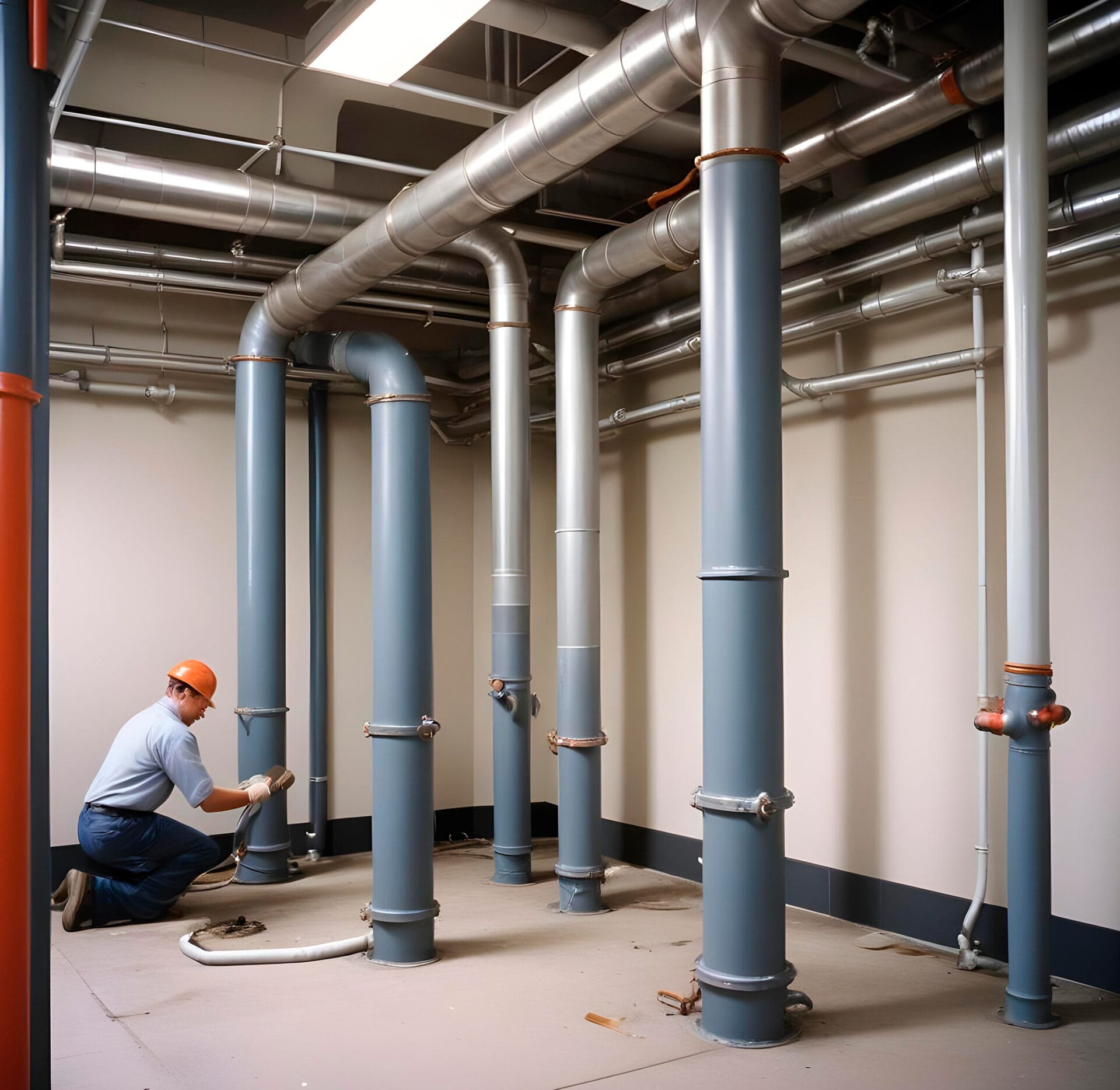
Fixed-interval cleaning is the simplest approach to schedule, but condition-based maintenance is more efficient for large facilities with many pipe systems. A pipeline video inspection conducted before and after each cleaning cycle builds a dataset of deposit accumulation rates specific to your facility. Over two or three cycles, you can calibrate cleaning intervals precisely: tighten the schedule where deposits accumulate faster than expected, extend it where pipes remain cleaner than average.
Flow monitoring and differential pressure measurements across pipe segments can provide early warning of developing restrictions without requiring an inspection. Many Houston refineries and chemical plants integrate these indicators into their distributed control systems (DCS) and set alerts that trigger a maintenance work order when flow rates drop below threshold.
Turnaround Planning: Making the Most of Scheduled Downtime
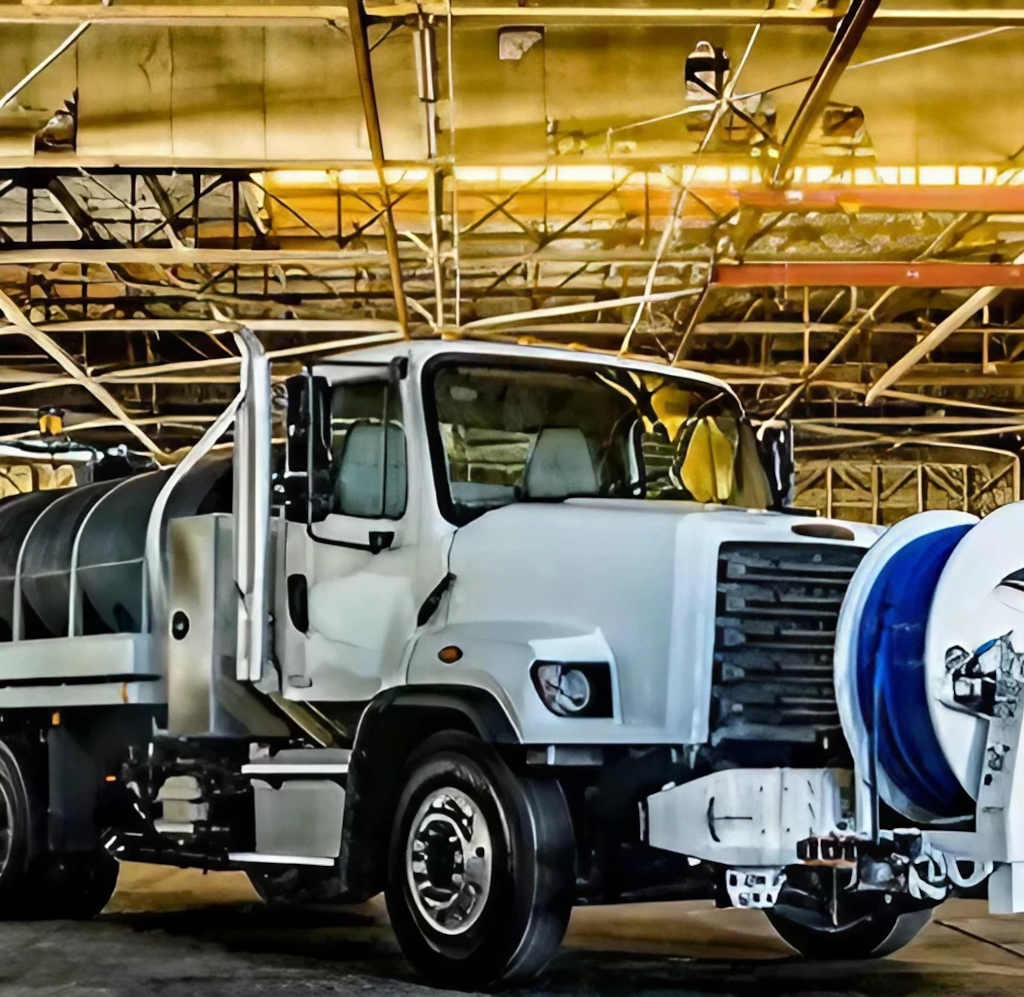
Houston's petrochemical and refining industry operates on turnaround cycles that typically range from 2 to 5 years. Turnarounds represent the ideal window for comprehensive pipe cleaning because the facility is already isolated and offline. Combining pipeline cleaning, CCTV inspection, and any required pipe descaling or hydroblasting in a single turnaround mobilization reduces overall contractor costs and minimizes the number of times high-energy cleaning equipment must be brought onto a live site.
TX Hydrojet works with turnaround planners to sequence pipe cleaning work within tight outage windows, providing multiple crews operating simultaneously on different pipe systems to maximize the work accomplished during the available downtime.
Building Your Facility's Pipe Maintenance Program
A defensible industrial pipe cleaning program includes: a pipe asset register identifying every system by service, material, diameter, and age; a risk-based maintenance interval for each system; inspection records documenting pre- and post-cleaning condition; and a corrective action log for any pipe segments found to require additional attention. TX Hydrojet can assist with the inspection and cleaning portions of this program and provide the documentation records your environmental, health, and safety (EHS) team needs.
Talk to TX Hydrojet About Your Facility's Cleaning Schedule
Every Houston industrial facility is different. Our team reviews your pipe systems, operating history, and maintenance records to recommend a practical cleaning frequency that protects your assets, keeps you in compliance, and fits your budget and outage windows. Call (832) 776-0304 or contact us online to schedule a consultation. TX Hydrojet serves refineries, chemical plants, manufacturing facilities, and industrial properties throughout the Houston Ship Channel corridor and greater Harris County.
TX Hydrojet & Plumbing Team
Our team of licensed, insured plumbers in Houston, TX brings decades of combined experience to every job. We specialize in hydro jetting, drain cleaning, sewer repair, and 24/7 emergency plumbing services across the Greater Houston area.
(832) 776-0304