How Often Should A Restaurant Grease Trap Be Cleaned?
TX Hydrojet Team4 min read
How Often Do Grease Traps Need To Be Cleaned?
Most manufacturers recommend cleaning grease traps every 1 to 3 months, depending on the size of the trap and how much grease your establishment produces. For restaurant grease traps, the frequency may be higher due to the large volumes of fats, oils, and grease generated daily. To determine the optimal cleaning schedule, consider the “1/4th rule.” This means the trap should be cleaned out when it reaches one-quarter of its capacity to maintain efficiency and avoid blockages. High-volume establishments like restaurants and cafeterias should set up a regular cleaning plan to ensure compliance with local health and safety regulations and keep their kitchens running smoothly.Why Is It So Important To Keep Your Grease Traps Clean?
Grease traps play a vital role in preventing fats, oils, and grease (FOG) from clogging plumbing systems and entering municipal sewers. Over time, these traps collect not just FOG but also food particles and debris, leading to foul odors and an unclean environment. If left unaddressed, this buildup can release toxic gases, posing serious health risks to employees and anyone nearby. Regular cleaning eliminates unpleasant odors, such as the rotten egg-like smell of grease traps, while ensuring a safer, cleaner kitchen. Additionally, maintaining grease traps helps avoid costly plumbing repairs, ensures compliance with local environmental regulations, and creates a pleasant environment for both customers and staff.Best Practices To Keep Grease Traps Cleaner For Longer
1. Wipe Cookware Before Cleaning
Before washing dishes or cookware, scrape off food particles and excess grease into a trash receptacle. For even better results, dry wipe surfaces with paper towels to remove residual grease before rinsing. This simple habit drastically reduces the amount of fats, oils, and grease (FOG) entering your plumbing system, extending the time between grease trap cleanings. Making this a standard practice in your kitchen ensures your grease trap functions efficiently and minimizes the risk of clogs, while also improving the overall hygiene of your workspace.2. Use Strainers
Install strainers in all kitchen sinks to catch food particles and other debris before they enter your grease trap or plumbing system. Regularly clean these strainers to prevent buildup and maintain optimal performance. This proactive measure not only keeps grease traps cleaner for longer but also protects your pipes from blockages, saving you from costly plumbing repairs. Combining strainers with regular cleaning practices ensures your entire drainage system runs smoothly.3. Install a Grease Trap Alarm
Installing a grease trap alarm is a smart way to monitor grease and solids levels in your trap. These alarms notify you when the trap is nearing capacity, allowing you to schedule a cleaning before issues arise. Following the “1/4th rule,” grease traps should be cleaned once they reach one-quarter of their capacity to maintain efficiency and prevent overflow. By using a grease trap alarm, you can stick to this rule, avoid emergency cleanings, and better manage your grease trap cleaning costs. This proactive approach keeps your kitchen safe, compliant with regulations, and operating smoothly.4. Never Pour Grease Down Sinks
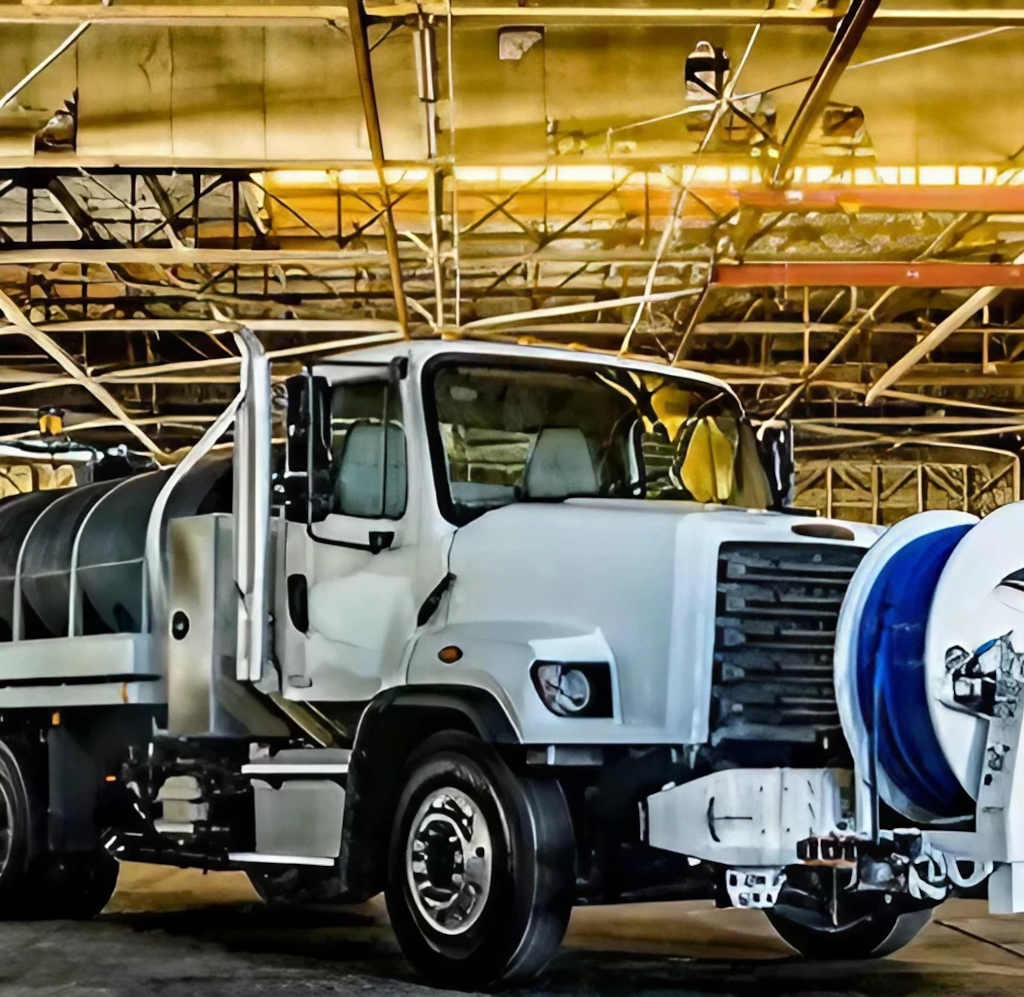
Educate your staff on proper grease disposal methods to prevent unnecessary strain on your grease trap. Never pour cooking oil, grease, or fats directly down the sink. Instead, collect used grease in designated containers for recycling or proper disposal. Additionally, avoid rinsing dishes with scalding hot water, as it can liquefy grease and make it harder for the trap to capture it. These small changes significantly reduce the buildup in the grease trap, keeping your system cleaner and ensuring a safer, more efficient kitchen environment. If you're looking for professional grease trap cleaning services in Houston, look no further than TX Hydrojet. Our experienced team uses state-of-the-art equipment to thoroughly clean and maintain your grease traps, ensuring your business remains compliant and operates smoothly. Don't wait for grease trap issues to disrupt your operations – contact TX Hydrojet today to schedule your regular maintenance and keep your kitchen running efficiently.TX Hydrojet & Plumbing Team
Our team of licensed, insured plumbers in Houston, TX brings decades of combined experience to every job. We specialize in hydro jetting, drain cleaning, sewer repair, and 24/7 emergency plumbing services across the Greater Houston area.
(832) 203-7987