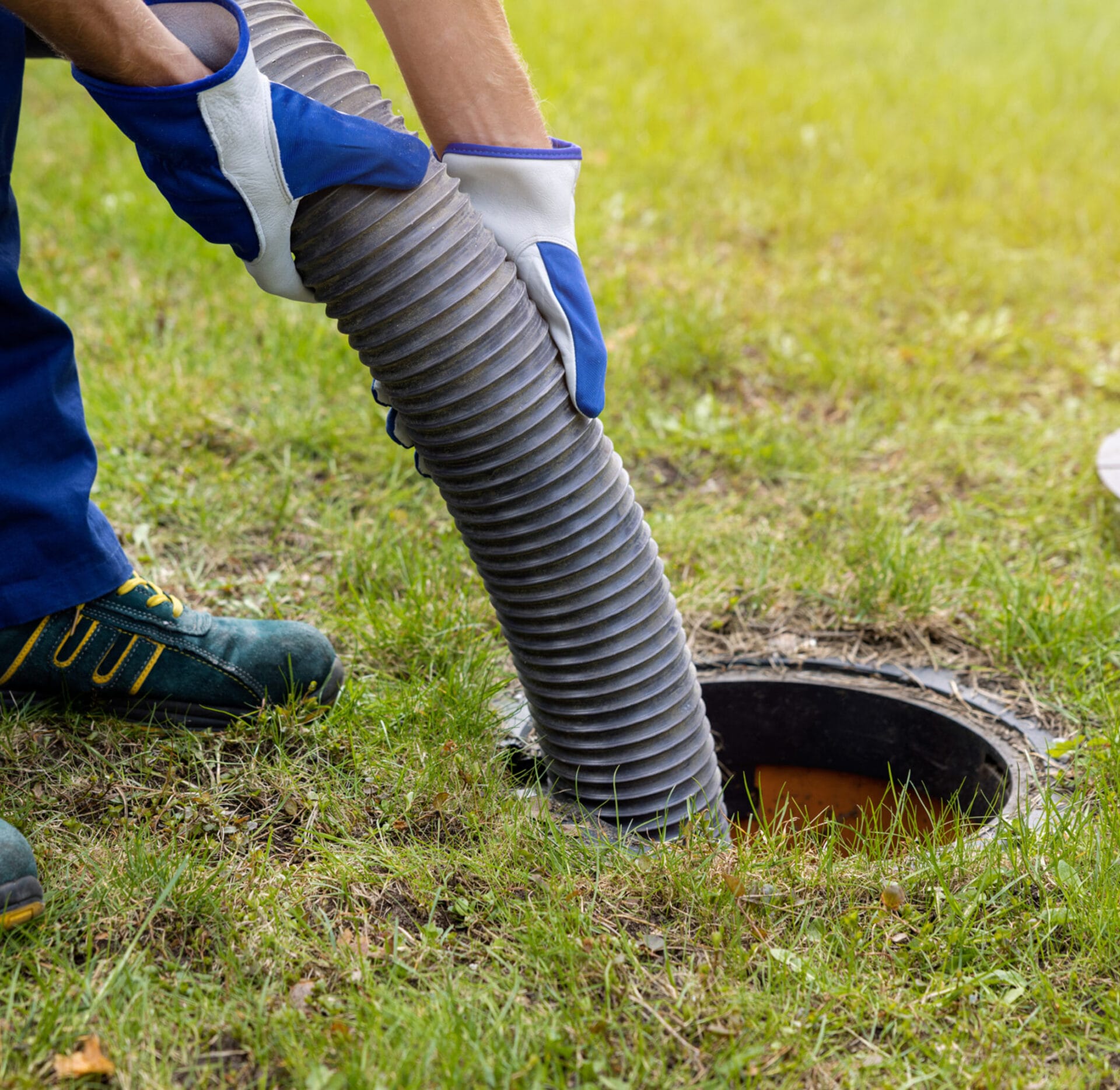
How to Unclog Industrial Pipes: Hydro Jetting for Plants & Facilities
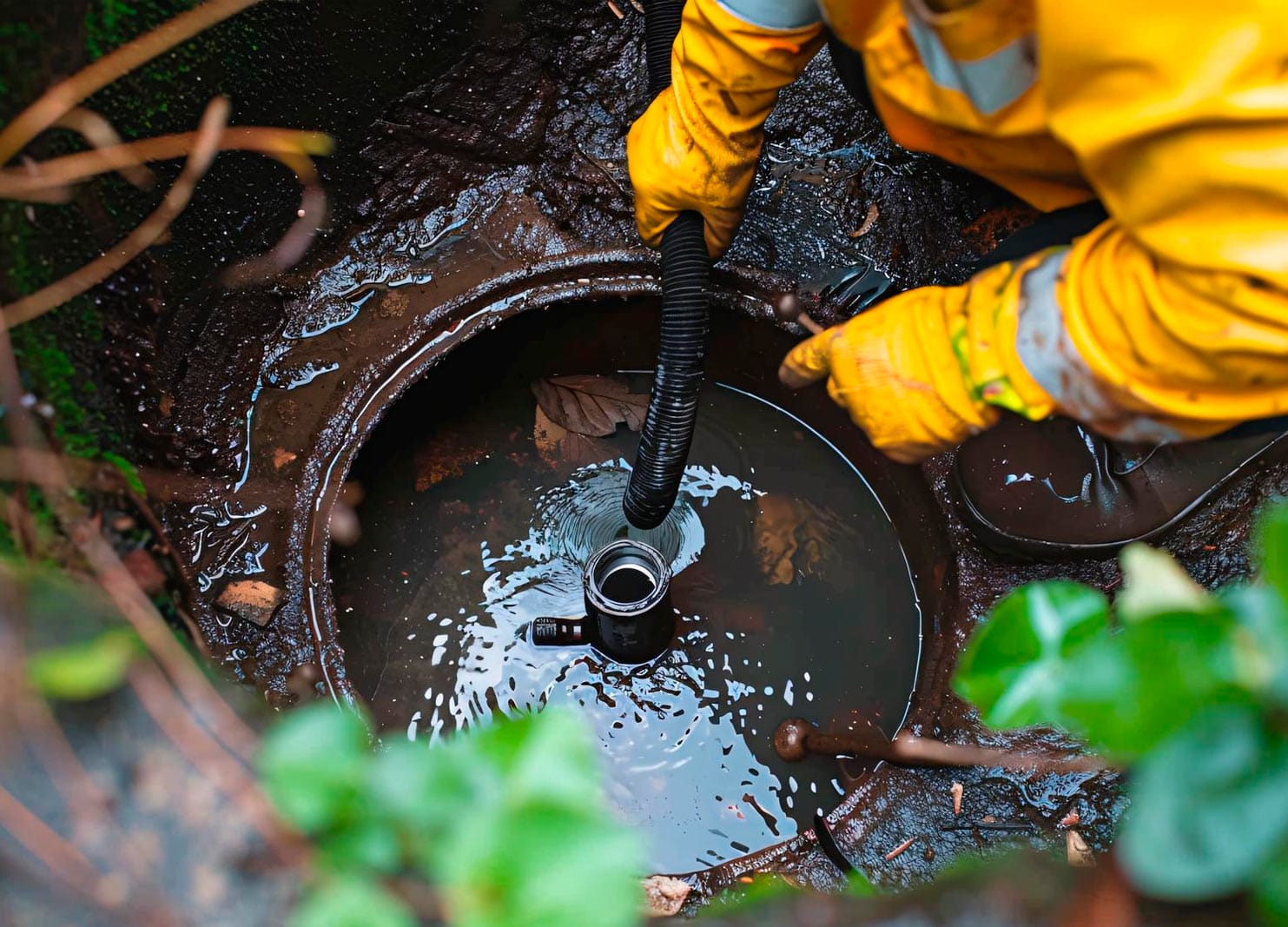
Knowing how to unclog industrial pipes effectively separates a facility that maintains uptime from one that loses production hours to preventable drain emergencies. The challenge with industrial pipe blockages is that they're almost never simple: they're compacted grease columns in 8" mains, hardened scale in process lines, root masses that have colonized buried laterals for years, or sediment plugs in trench drain networks carrying wash water from manufacturing floors. The tools and techniques that work for residential plumbing — cable machines, hand-powered augers, off-the-shelf drain cleaners — simply don't have the power or precision to address industrial-scale obstructions. Hydro jetting, the application of high-pressure water at controlled flow rates, is the method that actually works.
Understanding Why Industrial Pipes Clog Differently
Before choosing a clearing method, it helps to understand what's actually blocking the pipe. Industrial blockages fall into several distinct categories:
- Grease and fat accumulation — Common in food processing, restaurant commissaries, and cafeteria facilities. In Houston's climate, grease that enters drains at 140°F cools rapidly and adheres to pipe walls, building up over months into a waxy mass that can completely occlude large-diameter lines.
- Scale and mineral deposits — Process water, cooling water, and steam condensate systems accumulate calcium carbonate, calcium sulfate, silica, and iron oxide scale. In Gulf Coast facilities using hard groundwater or treated municipal water, scale buildup in heat exchanger lines and process water piping can reduce flow area by 50% or more within a few years.
- Sediment and debris compaction — Wash-down floors in fabrication and assembly facilities generate significant sediment loads. Trench drains and floor drain networks that receive regular wash water can accumulate sand, metal fines, and process debris that compact under flow into near-solid plugs.
- Root intrusion — Even in industrial areas, buried sanitary sewer lines and stormwater drains are vulnerable to tree and shrub root intrusion. Roots exploit joint gaps in clay tile, concrete, and even older PVC installations. Once established, root masses create a net that traps debris and accelerates blockage formation.
- Biological growth — Biofilm in organic-rich drain systems creates increasing flow resistance over time and contributes to hydrogen sulfide (H2S) generation, which accelerates concrete pipe corrosion through sulfuric acid formation — a well-documented problem in buried Houston sewer infrastructure.
Why Cable Machines Fail on Industrial Pipes
Facility managers who call a plumber and get a cable machine sent out for a 6" or 8" industrial drain main are going to be disappointed with the results. Here's why:
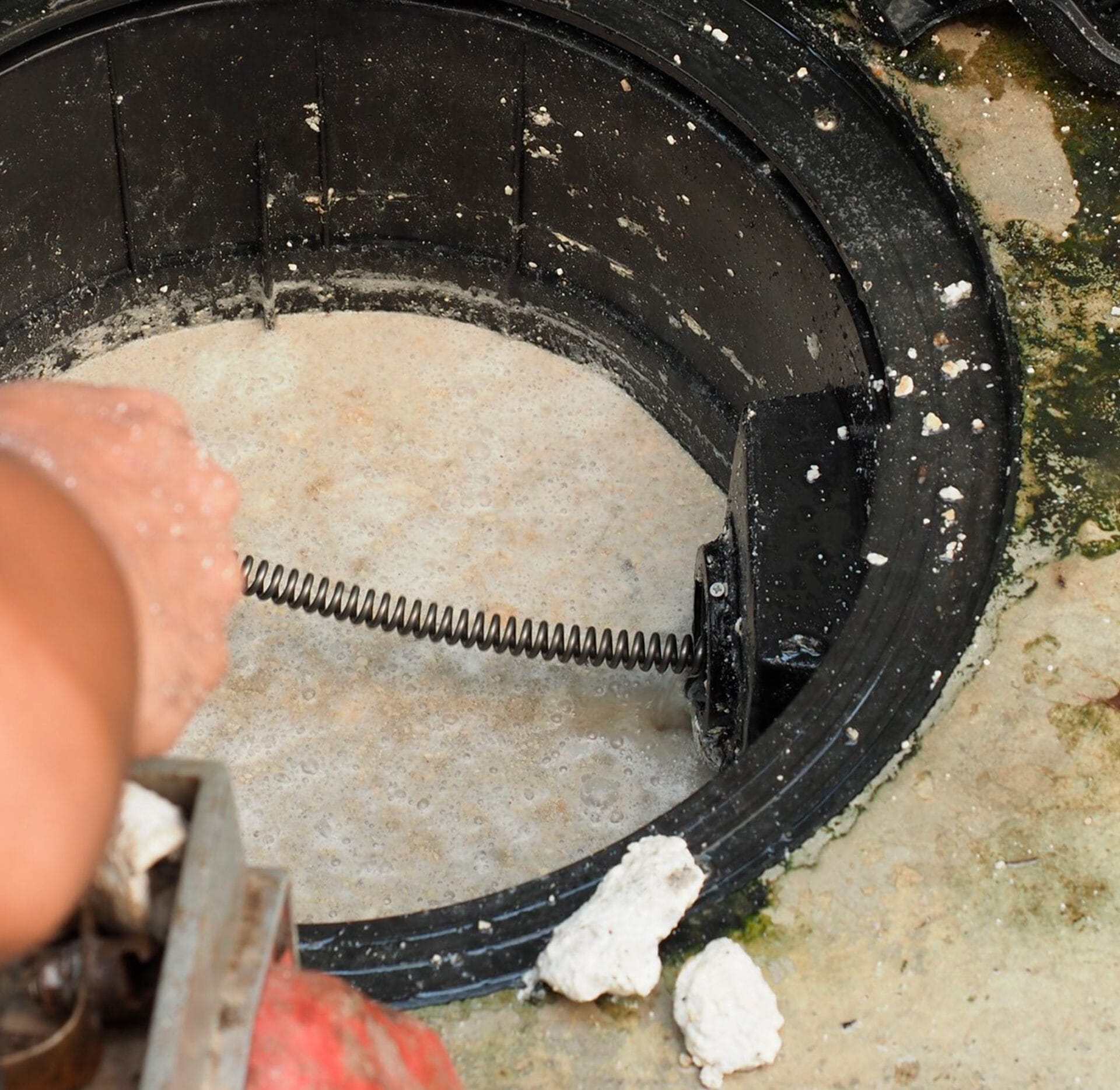
- Cable machines physically penetrate a blockage but rarely clear the full pipe bore — they punch a hole through grease or debris rather than removing it
- On large-diameter pipe, the cable cannot generate enough lateral force against the pipe wall to scour deposits
- Hardened scale and mineral deposits resist mechanical cable penetration entirely
- Root masses that a cable pushes through simply close back in over the cable
- In pipes with grade changes, sags, or offset joints, cable machines lose energy rapidly and may not reach the actual blockage location
The result is typically a temporary partial improvement in flow followed by rapid re-blockage — and a recurring service call cycle that costs more over time than properly clearing the pipe once with high-pressure jetting.
How Hydro Jetting Unclogs Industrial Pipes
Industrial pipeline cleaning by hydro jetting works on a simple but powerful principle: water at high pressure and sufficient flow rate exerts both impact force (which fractures and dislodges deposits) and hydraulic transport force (which flushes dislodged material downstream). Properly engineered jetting nozzles direct water jets rearward as well as forward, creating the thrust that pulls the hose into the pipe while simultaneously scouring the full pipe circumference.
Key operating parameters for industrial pipe jetting:
- Pressure — 2,000 PSI for light grease and debris in small-diameter lines; 4,000–8,000 PSI for heavy grease, soft scale, and compacted sediment in large mains; 10,000–40,000 PSI (hydroblasting) for hard coke deposits, heavy mineral scale, and industrial process pipe cleaning
- Flow rate (GPM) — Low pressure with low flow produces poor results on large-diameter pipe. Effective industrial jetting typically requires 12–18 GPM or more to generate the hydraulic transport velocity needed to flush dislodged material
- Nozzle selection — Penetrating nozzles for initial entry into blocked lines; chain knockers for root cutting and hard deposits; rotating nozzles for full-circumference scouring; flushing nozzles for debris transport
Step-by-Step: Unclogging a Blocked Industrial Drain Line
- Assess and locate the blockage — Camera inspection prior to jetting identifies blockage type, location, and pipe condition. This prevents sending jetting equipment into a structurally failed pipe section that could collapse further. Pipeline video inspection is the professional standard before any major clearing operation.
- Select the access point — Clean-out access, manhole entry, or a removed fixture provides the jetting hose entry point. Proper access selection determines how much of the line can be effectively reached.
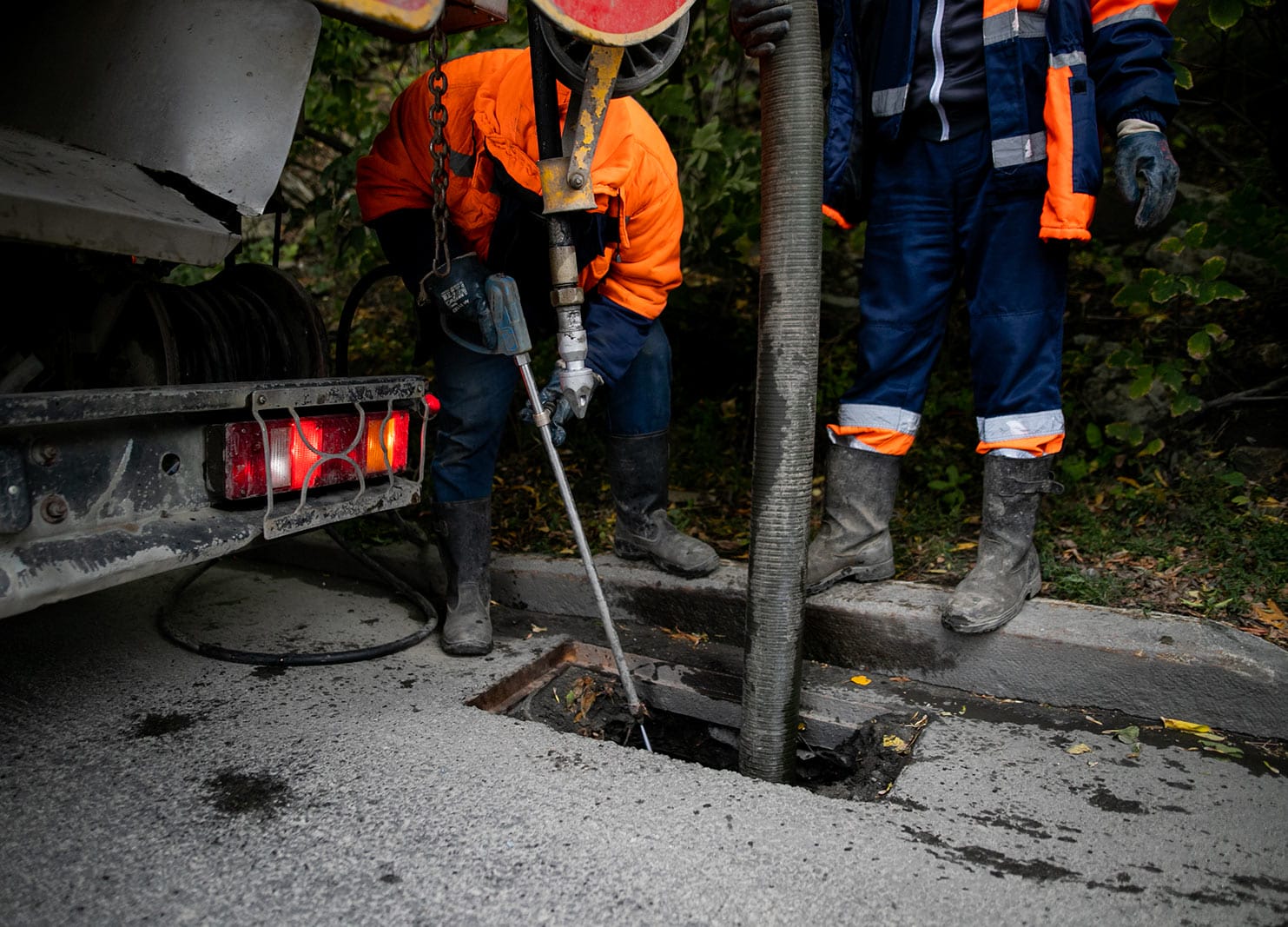
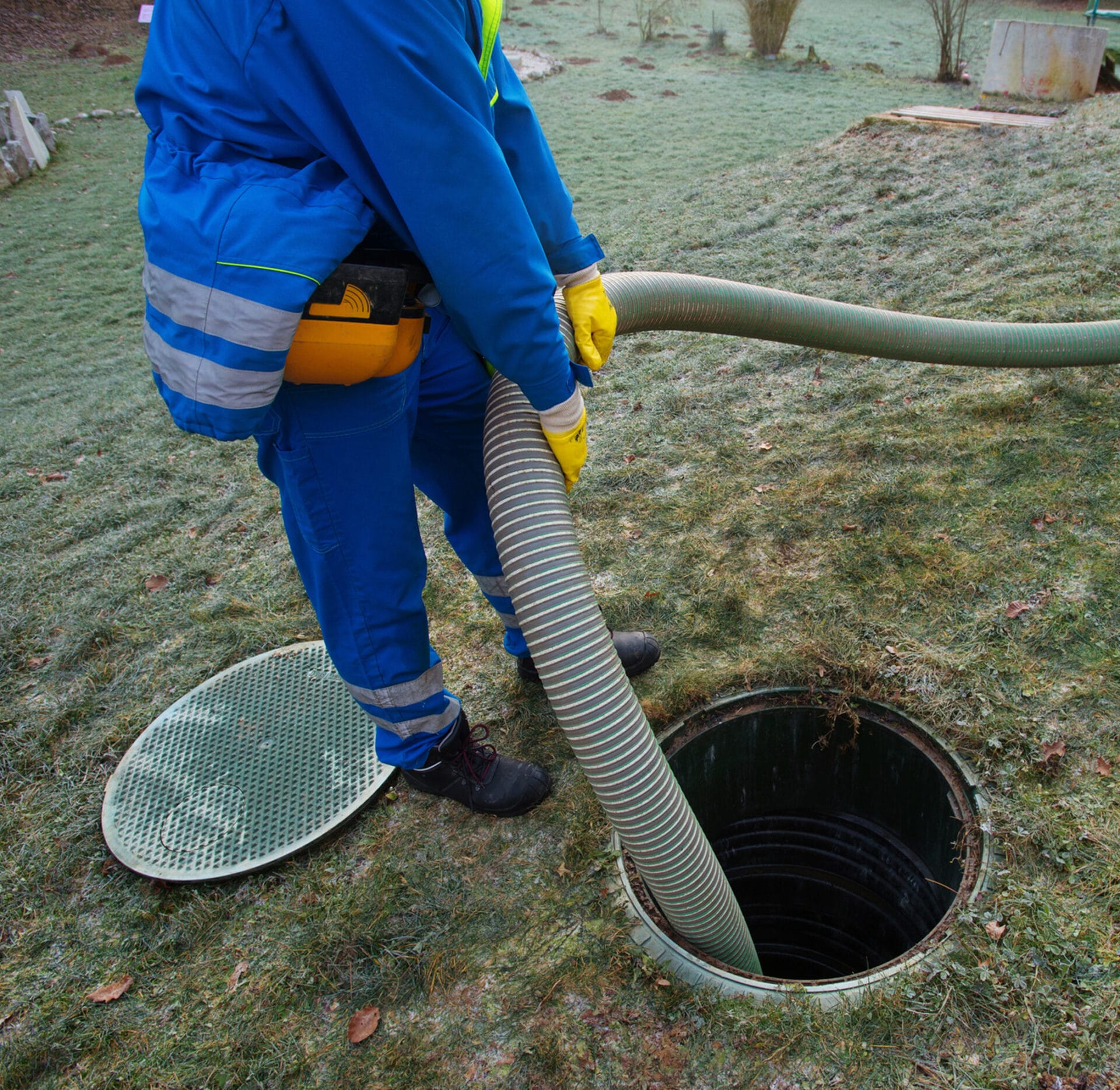
- Stage containment — Dislodged material has to go somewhere. In industrial settings, vacuum trucks or wet/dry vac systems positioned at downstream access points capture debris. This is critical in facilities where drain effluent contains regulated materials.
- Jet the line — Equipment is calibrated to the pipe diameter and deposit type. The operator works the jetting hose through the blockage zone systematically, making multiple passes until the camera confirms a clean bore.
- Post-jetting inspection — A final camera pass confirms the line is clear and identifies any pipe damage or defects that require follow-up repair work.
Industrial Pipe Descaling: When Standard Jetting Isn't Enough
For lines with heavy mineral scale — process water systems, heat exchanger headers, or older galvanized or carbon steel piping in Houston industrial facilities — standard hydro jetting may not fully restore pipe capacity. Dedicated pipe descaling techniques using chain knockers, rotary cutters, or ultra-high-pressure equipment address hard, adhered scale that softer deposits don't require. Descaling is frequently the right answer for cooling water system piping, steam condensate return lines, and process water headers that have been in service without maintenance cleaning for several years.
TX Hydrojet & Plumbing: Industrial Drain Clearing Across Houston
TX Hydrojet & Plumbing has the industrial-grade hydro jetting equipment, camera inspection capability, and experienced crews to unclog industrial pipes of all sizes throughout the Houston area — from Baytown and Pasadena industrial parks to Humble, Katy, and the broader Harris County industrial base. We respond to both scheduled maintenance cleaning and emergency production-threatening blockages 24 hours a day.
Call (832) 776-0304 or reach us through our contact page when you need industrial pipes cleared properly — not just partially punched through. We'll dispatch the right equipment for your pipe size, deposit type, and facility requirements.
TX Hydrojet & Plumbing Team
Our team of licensed, insured plumbers in Houston, TX brings decades of combined experience to every job. We specialize in hydro jetting, drain cleaning, sewer repair, and 24/7 emergency plumbing services across the Greater Houston area.
(832) 776-0304