Industrial Pipe Restoration in Houston: Descaling & Rehab Without Replacement
For plant managers, maintenance directors, and facilities engineers in the Houston area facing deteriorated process piping, drain mains, or utility lines, the instinct is often to budget for replacement. But full pipe replacement in industrial settings is expensive, disruptive, and sometimes structurally complicated — especially when pipes are buried under concrete slabs, embedded in structural walls, or routed through active process areas. Before committing to a replacement project, it's worth understanding what industrial pipe restoration can accomplish. Descaling, hydro jetting rehabilitation, and targeted lining techniques frequently restore flow capacity and structural integrity at a fraction of replacement cost and a fraction of the downtime.
What Is Industrial Pipe Restoration?
Industrial pipe restoration is the process of returning a degraded pipe to functional condition through cleaning, descaling, and in some cases, structural rehabilitation — without removing and replacing the original pipe. It encompasses several related techniques:
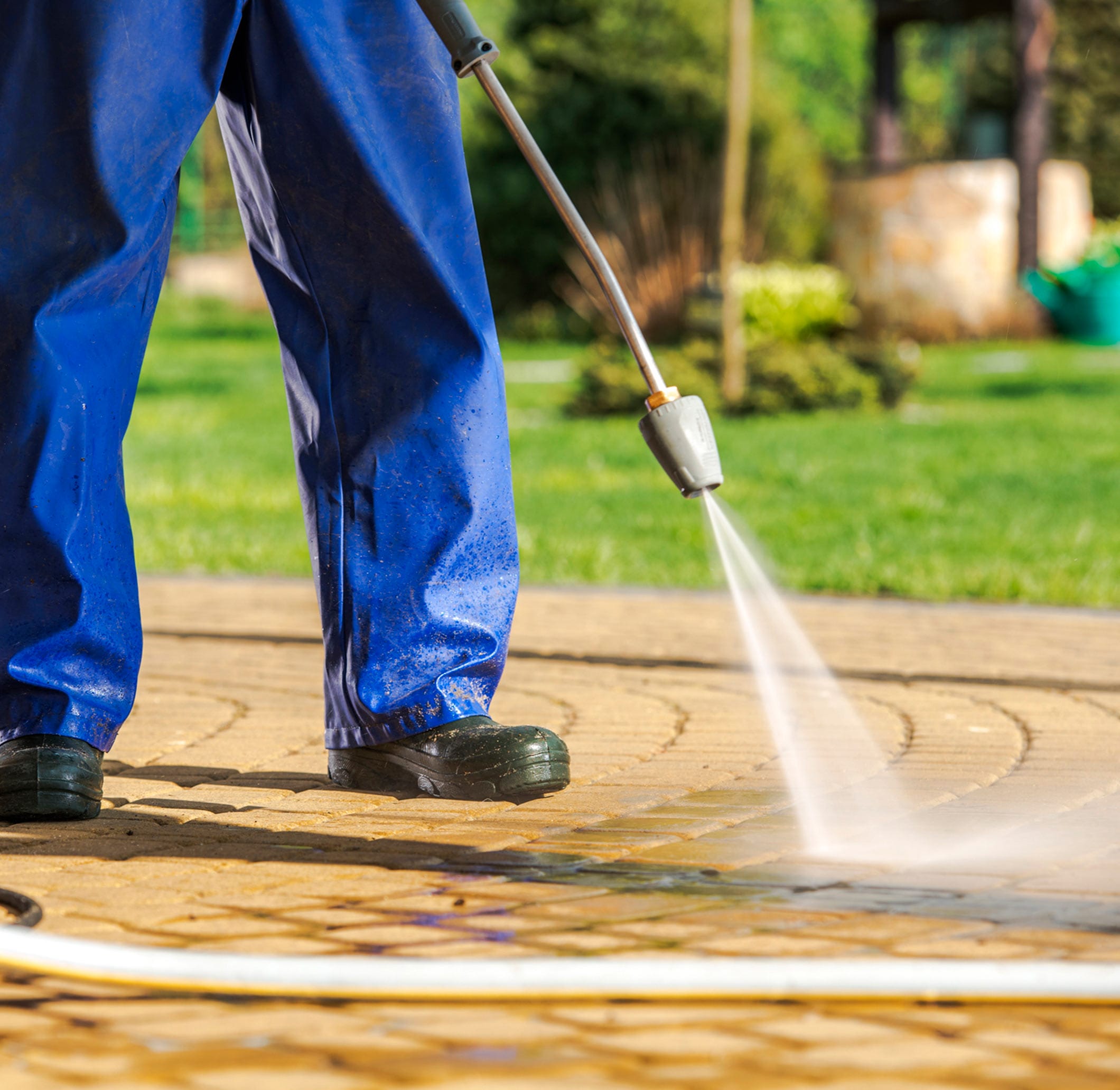
- Hydro jetting rehabilitation — High-pressure water clearing of accumulated deposits, restoring bore diameter and flow capacity
- Mechanical and hydraulic descaling — Aggressive removal of adhered mineral scale, corrosion tubercles, and hard organic deposits that standard jetting cannot dislodge
- Pipe relining — Application of cured-in-place pipe (CIPP) lining or spray-applied structural coatings to restore structural integrity and create a corrosion-resistant new interior surface
- Targeted spot repair — Camera-located repair of localized defects (cracks, joint failures, root intrusion points) that would otherwise compromise the entire line
The common thread is that restoration addresses the degradation mechanism — scale, corrosion, fouling, or structural damage — without the cost and disruption of excavation and replacement.
When to Consider Restoration vs. Replacement for Houston Industrial Piping
Not every deteriorated pipe is a restoration candidate. A structured assessment helps determine the right path:
| Condition | Restoration Viable? | Recommended Action |
|---|---|---|
| Heavy scale, good pipe wall integrity | Yes | Descaling + hydro jetting rehabilitation |
| Minor cracking, stable structure | Yes | CIPP relining after cleaning |
| Active corrosion pitting, moderate wall loss | Sometimes | Descaling + inspection + engineering review |
| Severe structural failure, pipe collapse | No | Targeted excavation and replacement |
| Root intrusion with intact pipe structure | Yes | Root cutting, jetting, and relining |
| Heavy corrosion tuberculation, restricted bore | Yes | Aggressive descaling + post-cleaning inspection |
The key diagnostic tool is pipeline video inspection — camera inspection before any restoration work reveals the actual condition of the pipe interior and identifies both the opportunity for restoration and any sections where replacement is unavoidable.
The Descaling Process: Restoring Pipe Bore in Industrial Lines
Scale accumulation in industrial piping is a near-universal problem in the Houston area. The Gulf Coast's groundwater chemistry, combined with process water treatment variations, high-temperature service conditions, and the simple passage of time, creates mineral scale deposits in cooling water systems, process water headers, steam condensate return lines, and fire protection mains. Scale is not just a flow restriction — it creates differential thermal expansion stresses, harbors corrosive microorganisms beneath its surface, and masks developing wall defects from inspection.
Effective pipe descaling for industrial facilities in Houston typically involves a progression of techniques:
- Initial high-pressure jetting — Removes loose scale, sediment, and biological fouling from the pipe surface, exposing the harder adhered scale layers for assessment
- Mechanical descaling — Chain knockers, rotary cutters, or hydraulic descaling heads break up hard calcium carbonate, silica, and iron oxide deposits that water jets alone cannot remove
- Ultra-high-pressure passes — For the most tenacious deposits — iron sulfide scale in sour service lines, polymerized organics in petrochemical piping — UHP hydroblasting at 20,000–40,000 PSI delivers impact energy that shatters and dislodges even vitrified-scale surface layers
- Post-descaling camera inspection — Confirms scale removal completeness and assesses underlying pipe wall condition before any lining or coating work proceeds
Pipe Relining for Structural Rehabilitation
When camera inspection after descaling reveals pipe walls that are structurally sound but have active corrosion surfaces, offset joints creating infiltration points, or cracking that threatens future integrity, relining is the restoration path that avoids excavation. Cured-in-place pipe (CIPP) lining installs a resin-impregnated liner into the cleaned pipe, which is then cured in place — creating a smooth, corrosion-resistant new interior surface that bonds to the existing pipe wall and seals joints, cracks, and minor defects.
For industrial facilities in Pasadena, Baytown, Houston proper, and the broader Harris County industrial zone, CIPP relining is particularly valuable for:
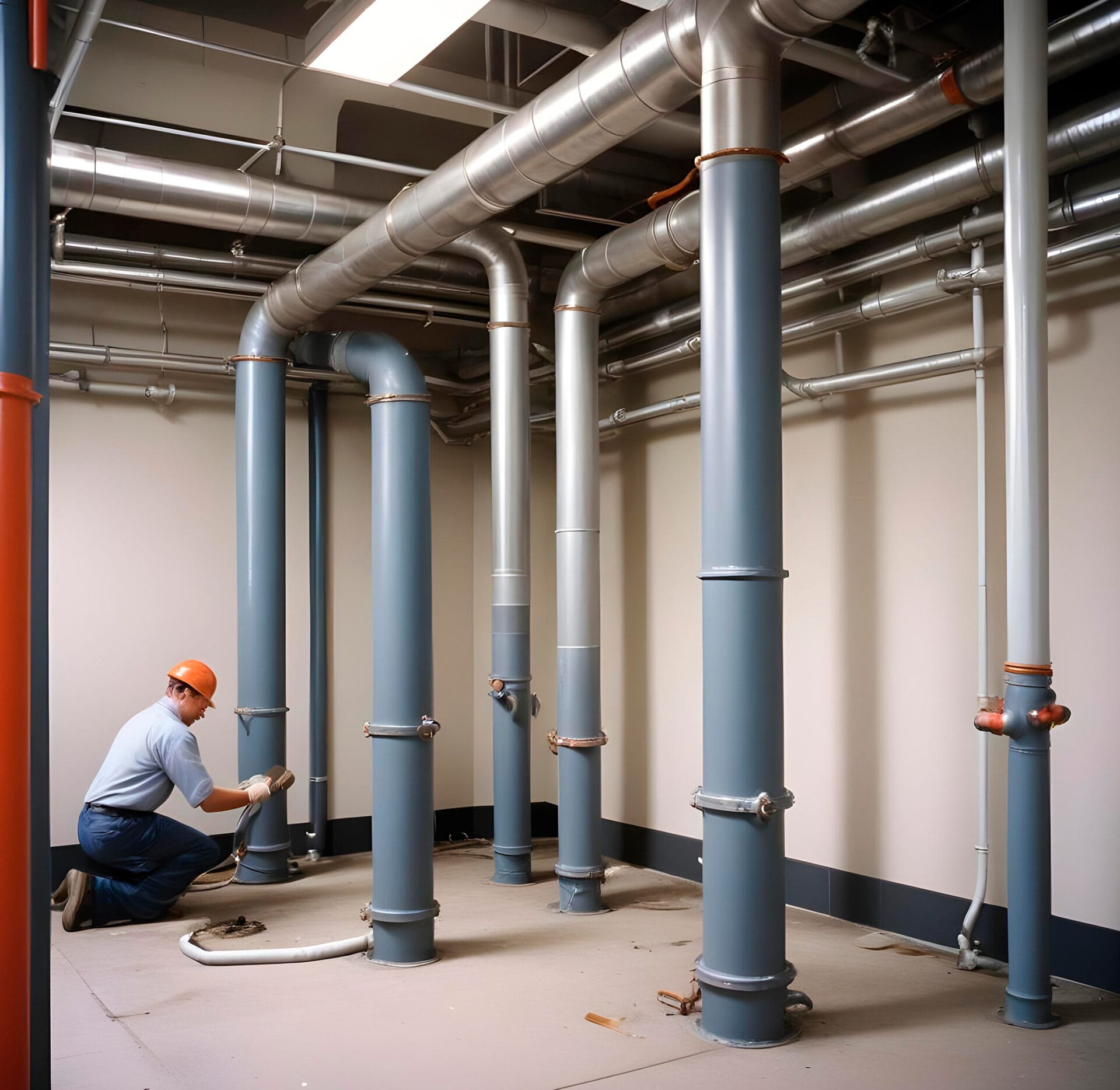
- Buried process drain mains under production facility slabs
- Aging cast iron building sanitary sewer laterals
- Corroded fire protection underground mains
- Process water header piping with active internal corrosion
Cost Comparison: Restoration vs. Replacement
The economics of restoration vs. replacement depend heavily on site-specific factors — pipe depth, diameter, accessibility, process criticality, and the degree of degradation. However, typical ranges for Houston industrial projects illustrate the opportunity:
- Descaling and hydro jetting rehabilitation of a 200-foot process drain main: often 20–40% of the cost of open-cut replacement
- CIPP relining of a buried lateral under a production floor slab: frequently 30–50% of the cost of saw-cutting, excavating, replacing, and restoring the slab and flooring
- Targeted spot repair of a camera-located joint failure: often 10–15% of the cost of replacing the full pipe run
The less visible cost — production downtime during restoration vs. replacement — often makes restoration even more compelling. A descaling and relining project on a live industrial site can frequently be staged to work around production schedules; full excavation and pipe replacement typically cannot.
TX Hydrojet & Plumbing: Industrial Pipe Restoration in Houston and Harris County
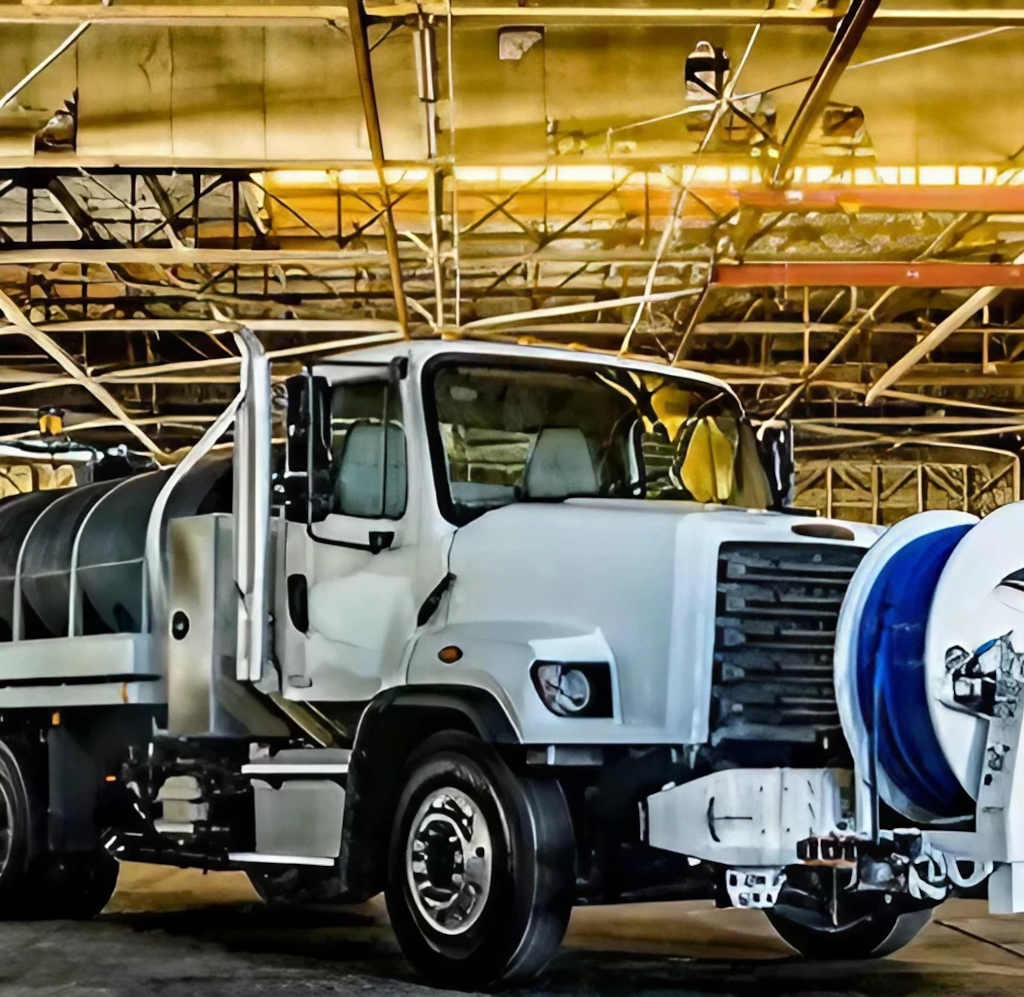
TX Hydrojet & Plumbing provides the full spectrum of industrial pipe restoration services — from initial camera inspection and assessment through descaling, hydro jetting rehabilitation, and coordination of relining work — for facilities across Houston, Pasadena, Baytown, Deer Park, and the greater Harris County industrial area. Our crews are equipped with industrial-grade high-pressure jetting systems, mechanical descaling tools, and camera inspection equipment to assess and restore industrial piping systems of all sizes and materials.
Before you budget for pipe replacement, get an honest assessment of restoration options. Call (832) 776-0304 or contact us through our contact page to schedule a camera inspection and restoration evaluation. In many cases, the pipes you think need replacement just need the right cleaning and rehabilitation approach.
TX Hydrojet & Plumbing Team
Our team of licensed, insured plumbers in Houston, TX brings decades of combined experience to every job. We specialize in hydro jetting, drain cleaning, sewer repair, and 24/7 emergency plumbing services across the Greater Houston area.
(832) 776-0304