Pipeline Cleaning With Pig Vs. Hydrojetting
TX Hydrojet Team7 min read
Texas is home to one of the largest networks of and above-ground pipelines in the country. From oil and gas transmission to stormwater drainage and wastewater systems, regular pipeline cleaning is critical to keeping things moving—and preventing costly breakdowns. Two of the most common methods for cleaning these systems are pipeline pigging and hydrojetting.
Each technique serves a unique purpose, and the right one depends on the pipe type, material buildup, and industry. In this blog, we'll walk through the differences between pigging and hydrojetting, explore when each is used, and explain why TX Hydrojet specializes in high-powered water jetting for pipelines throughout Houston and surrounding Texas communities.
What Is Pipeline Pigging?
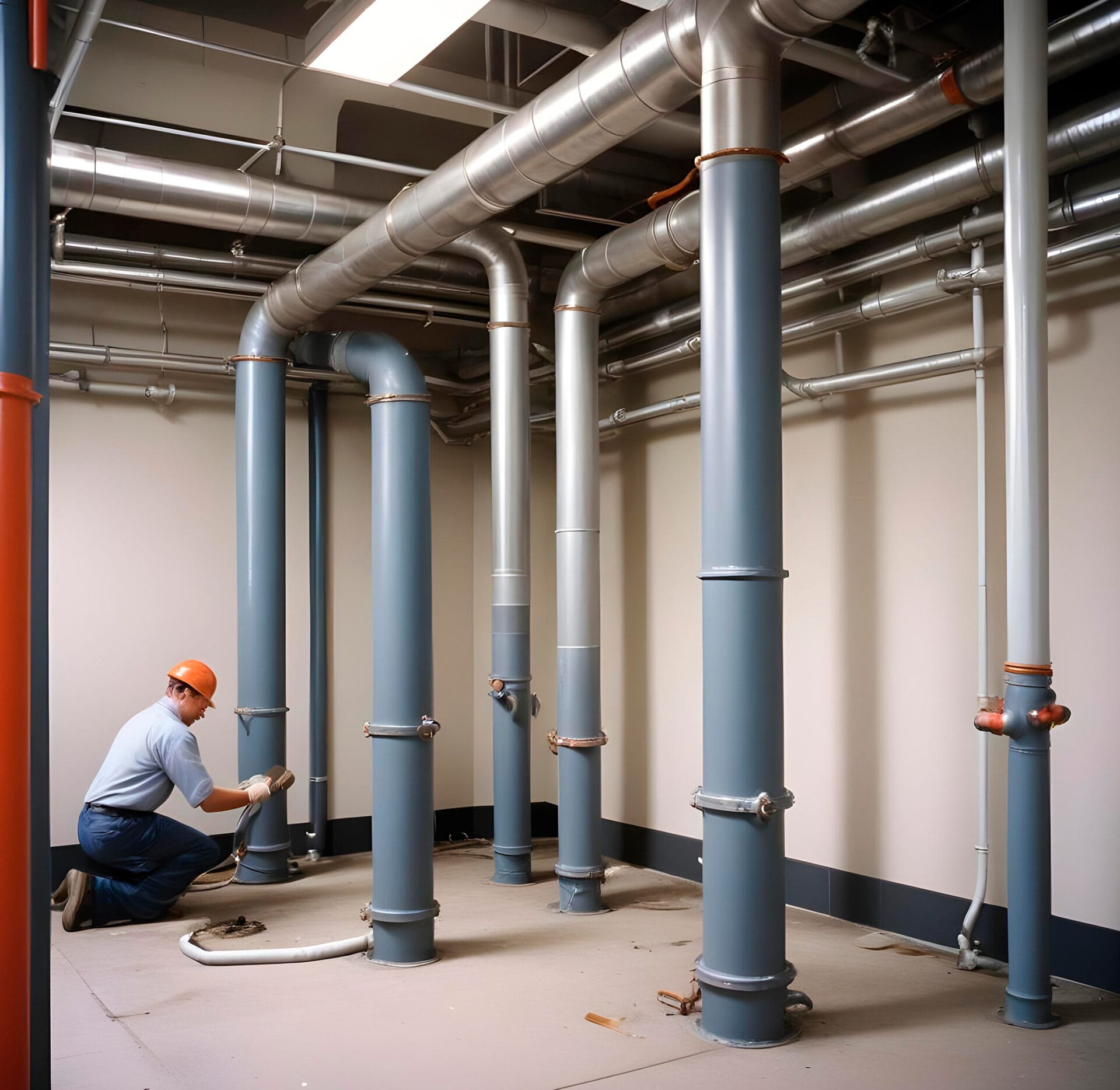
Pipeline pigging is a method of cleaning pipelines by pushing a cylindrical device called a "pig" through the line to remove buildup, debris, or obstructions. The pig is typically propelled using pressure from a fluid or gas. There are different types of pigs designed for specific cleaning or inspection tasks. Foam pigs are used for basic cleaning, while scraping pigs can remove hardened materials along pipe walls. "Smart pigs" contain sensors and tracking equipment to inspect the pipeline's interior for corrosion, cracks, or other forms of damage. Pigging is commonly used in long-distance oil and gas pipelines, water treatment facilities, or industrial systems. These are often miles long and have designated launch and receive stations built into the infrastructure. Pigging helps maintain flow efficiency and may also be a compliance requirement in heavily regulated industries.What Is Hydrojetting?
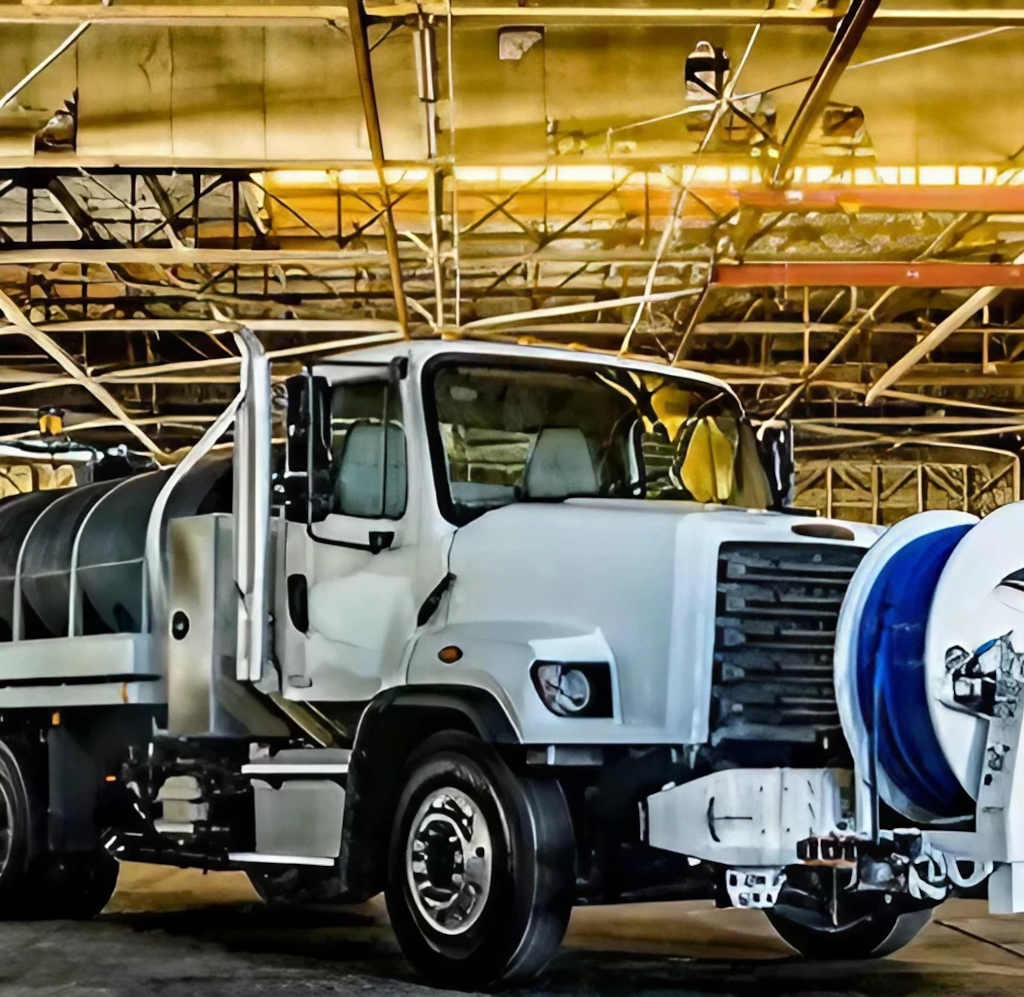
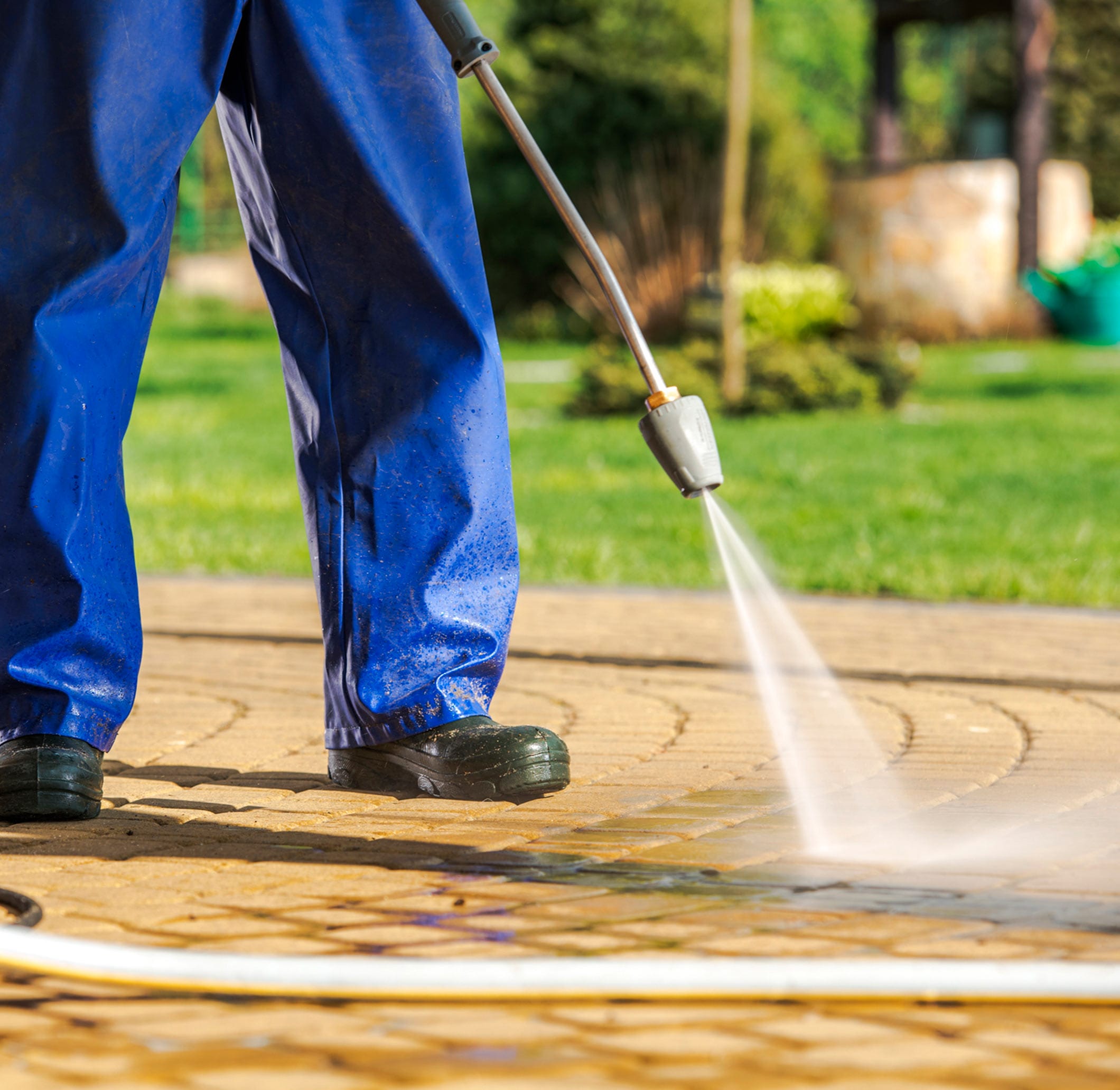
Hydrojetting uses high-pressure water—often up to 4,000 PSI—to clean the inside of pipes. A hose with a specialized nozzle is inserted into the pipeline, and pressurized water blasts away buildup, blockages, and residue. The nozzle design creates both forward and reverse jets to ensure a thorough clean as the hose moves through the pipe. Hydrojetting is highly effective for clearing grease, sludge, scale, and even tree roots. It's widely used in municipal sewer systems, commercial buildings, industrial lines, and even residential plumbing. At TX Hydrojet, we use professional-grade hydrojetting systems to clean everything from clogged restaurant drain lines to city storm drains. It's fast, efficient, and leaves pipes nearly as clean as the day they were installed.Pigging vs. Hydrojetting
These two cleaning methods may seem similar—they both aim to clear pipes—but they differ significantly in approach, application, and versatility.Technology Used
Pigging relies on a physical device traveling through the pipeline. The pig scrapes or pushes debris ahead of it as it moves. Hydrojetting, on the other hand, uses the force of water. No physical object is left behind in the system.Type of Debris Removed
Pigging is ideal for heavy, sticky, or solid materials like wax, sludge, or scale that can line oil and gas pipelines. Hydrojetting is better suited for organic materials like grease, roots, sediment, or soft buildup that commonly affect wastewater systems.Pipe Access Requirements
Pigging systems require built-in launch and receive stations and often must be shut down during the process. Hydrojetting only needs a cleanout or accessible pipe entry. It can often be done with minimal interruption to service.Inspection Capabilities
Smart pigs provide built-in diagnostic tools for monitoring pipeline condition—ideal for large oil transmission lines. Hydrojetting doesn't inspect by itself but is commonly paired with video pipe inspections to verify the results or assess damage.Speed and Disruption
Pigging tends to be more involved and may require longer setup times. Hydrojetting can typically be completed within a few hours, depending on pipe length and the level of buildup.When to Use Pigging
Pigging is best suited for:- Long-distance oil and gas pipelines
- High-volume water mains
- Industrial lines that require internal inspection
- Pipelines that transport viscous materials like crude oil or chemical slurries
When to Use Hydrojetting
Hydrojetting is a better fit for shorter, more accessible pipelines, especially in urban or suburban areas. It's ideal for:- Municipal sewer and storm systems
- Restaurants and food processing facilities
- Apartment complexes and commercial buildings
- Homeowners dealing with recurring clogs or slow drains
Pipeline Cleaning in Texas
Texas infrastructure faces unique challenges: unpredictable storms, high clay content in the soil, and expanding urban populations. These conditions increase the risk of backups and wear in sewer lines, storm drains, and utilities. In rural areas, pigging is critical to maintaining the state's vast energy pipeline network. In metropolitan areas like Houston, hydrojetting is the go-to method for managing everything from grease buildup to stormwater overflow. Pipeline maintenance is more than routine cleaning—it's essential for keeping systems safe and functional in a state where infrastructure strain is constant. That's why TX Hydrojet tailors its approach to meet local demands, working with everyone from facility managers to municipal engineers.Why Choose TX Hydrojet for Hydrojetting Services
At TX Hydrojet, we specialize in high-powered cleaning for drain, sewer, and pipeline systems across Houston and the surrounding region. Our services include:- 24/7 emergency hydrojetting
- Video pipe inspections
- Sewer and storm drain cleaning
- Root removal and grease trap flushing
- Licensed technicians with commercial experience
Final Thoughts
Pigging and hydrojetting both play a critical role in pipeline maintenance, but they serve different types of infrastructure. Pigging is powerful and necessary for long, industrial pipelines. Hydrojetting is fast, flexible, and highly effective for municipal, commercial, and residential plumbing systems. At TX Hydrojet, we offer expert hydrojetting services backed by years of experience serving Houston's toughest plumbing challenges. Whether you're dealing with a slow-moving sewer line or a completely blocked drain, we'll get things flowing again. Need a professional to clean your pipeline? Contact TX Hydrojet today to schedule service or request a quote.FAQs
What is the main difference between pigging and hydrojetting?
Pigging uses a physical object to scrub pipelines. Hydrojetting relies on high-pressure water to blast away debris.Is pigging used in residential plumbing?
No. Pigging is only used in industrial or long-distance pipelines. Homes and most buildings use hydrojetting.How powerful is hydrojetting?
Hydrojetting can reach up to 4,000 PSI, making it strong enough to cut through roots, grease, and thick sludge.Is hydrojetting safe for old pipes?
Yes, when done by professionals. TX Hydrojet adjusts the water pressure to protect fragile or aging pipe systems.How long does a typical hydrojetting service take?
Most jobs are done in one to two hours, depending on the pipe size, material, and condition.Can pigging remove corrosion inside pipes?
Pigging can scrape away light rust, but it won't reverse corrosion. Further repair may be needed if damage is extensive.Does hydrojetting prevent future clogs?
Yes. It clears pipe walls completely, reducing the risk of future buildup and blockages.Who should I call for hydrojetting in Houston?
Contact TX Hydrojet. We're a licensed Houston plumber with 24/7 availability and commercial-grade tools.Is pigging required by Texas regulations?
For oil and gas pipelines, yes. The Texas Railroad Commission often mandates pigging as part of routine safety inspections.Can I combine hydrojetting with a camera inspection?
Absolutely. TX Hydrojet often pairs hydrojetting with video inspections to confirm cleaning and identify future issues.TX Hydrojet & Plumbing Team
Our team of licensed, insured plumbers in Houston, TX brings decades of combined experience to every job. We specialize in hydro jetting, drain cleaning, sewer repair, and 24/7 emergency plumbing services across the Greater Houston area.
(832) 203-7987