Water Removal & Dewatering Services in Houston: Pits, Floods & Excavations
Few cities understand water management challenges the way Houston does. Sitting at the convergence of flat coastal plain topography and some of the heaviest rainfall totals in the continental United States, the region faces flooding threats that range from slow-onset ponding to rapid flash-flood conditions. Effective water removal and dewatering in Houston is not a niche service — it is a routine operational necessity for construction projects, industrial facilities, municipal infrastructure, and commercial properties across Harris County. TX Hydrojet provides professional dewatering and water removal services capable of handling everything from flooded excavations to multi-acre ponding events.
What Is Dewatering and When Is It Needed?
Dewatering is the controlled removal of groundwater or surface water from an area where construction, maintenance, or emergency operations must take place. In Houston's Gulf Coast geology — characterized by poorly draining clay soils and a shallow water table — excavations routinely encounter standing water even in dry weather. After a significant rain event, the situation becomes far more acute.
Common dewatering scenarios include:
- Construction site dewatering: Removing water from foundation excavations, utility trenches, and basement digs before concrete pours or pipe installations.
- Pit and sump dewatering: Evacuating pump pits, oil-water separator sumps, and containment basins at industrial facilities.
- Post-storm flood removal: Pumping out parking structures, loading docks, mechanical rooms, and underground spaces inundated during rain events.
- Emergency dewatering: Rapid response to pipe breaks, sewer backups, or storm surge events affecting commercial and municipal properties.
- Hydro excavation slurry removal: Vacuuming water-soil slurry generated during hydro excavation operations.
Houston's Unique Dewatering Challenges
Houston's soil and climate create conditions that most dewatering contractors outside the region are unprepared for. The Beaumont Clay and Houston Black Clay that underlie much of the metro area expand when wet and contract sharply during dry periods. This soil movement makes excavations unstable and dramatically slows natural drainage. The Houston Ship Channel area and areas south of Interstate 10 sit at elevations barely above sea level, meaning hydrostatic pressure from the shallow water table can actively push water back into excavations as fast as it is removed.
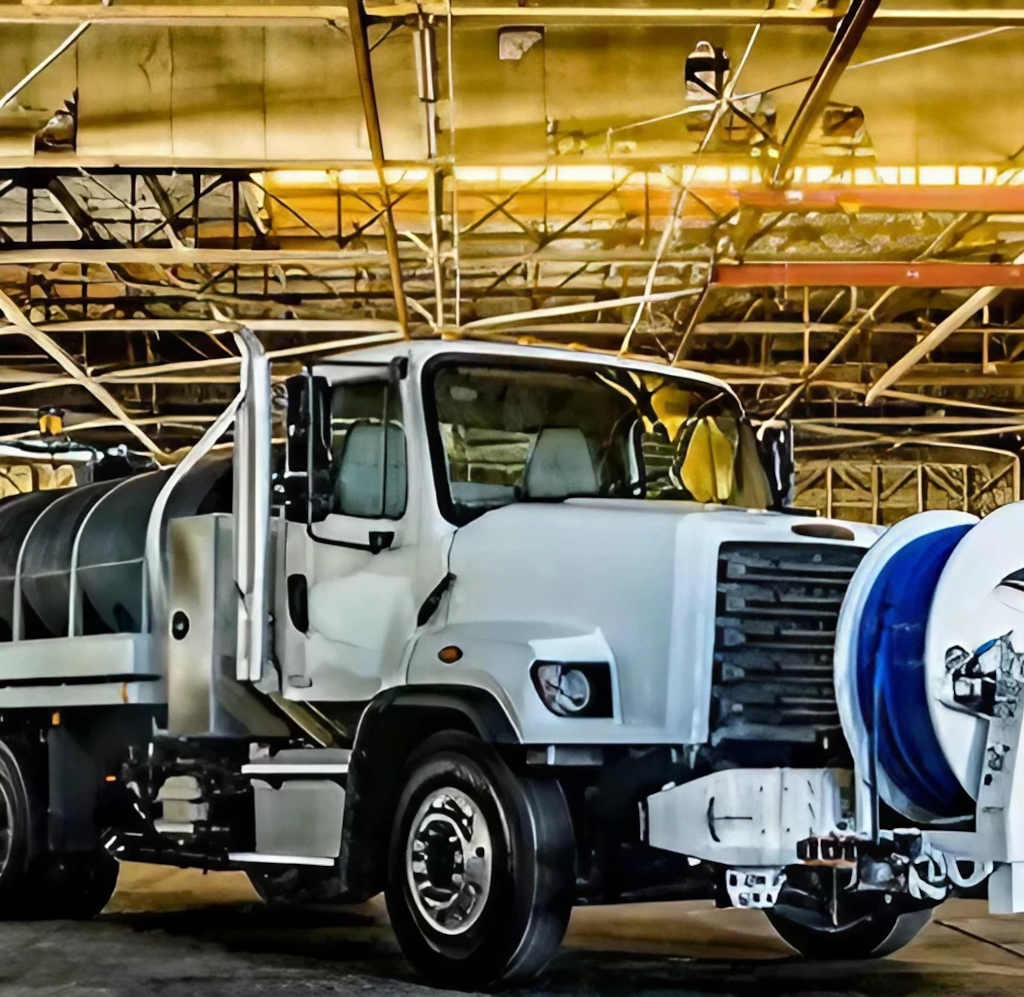
TX Hydrojet's equipment is sized for Houston conditions. Our vacuum trucks and pump combinations deliver flow rates appropriate for the volume and viscosity of water, sediment-laden stormwater, and clay-heavy slurries that characterize local dewatering work — not just clear water pumping.
Equipment and Methods
Effective dewatering typically requires a combination of methods selected based on site conditions, required flow rates, and regulatory constraints on discharge:
- Vacuum truck removal: Ideal for confined spaces, pits, and areas where discharge to sanitary or storm systems is restricted. Water is transported off-site for proper disposal.
- Submersible pump systems: High-volume surface water removal for open excavations, parking structures, and large flooded areas. Discharge to storm drains subject to TCEQ and City of Houston Public Works permit requirements.
- Combination units: Simultaneous jetting and vacuuming for drainage structures and pipe systems affected by sediment and debris accumulation. See our pipeline cleaning services for related work.
Regulatory Compliance for Dewatering Discharge
Not all water removed from a site can simply be discharged to the nearest storm drain. Construction site dewatering in Harris County is subject to the Texas Pollutant Discharge Elimination System (TPDES) Construction General Permit, which requires turbidity and sediment controls. Dewatering water from areas with petroleum contamination, chemical residues, or industrial process contact typically requires off-site disposal under TCEQ manifest requirements.
TX Hydrojet's team understands these regulatory requirements and can help your project stay compliant. We maintain documentation for all material we remove and transport, protecting your facility or project from regulatory exposure.
Pre-Storm and Post-Storm Dewatering Planning
Hurricane season runs June through November, but Houston's most damaging rainfall events have occurred in every month of the year. Preparation before a named storm or high-rainfall forecast is far preferable to emergency response after the fact. TX Hydrojet recommends that industrial facilities, property managers, and municipal operations identify their highest-risk water accumulation points and develop a dewatering plan that includes:
- Pre-event inspection of sumps, containment basins, and drainage structures
- Pre-positioned or confirmed-available vacuum truck and pump resources
- Clear discharge planning and regulatory compliance documentation
- Post-event rapid response prioritization protocol
Our storm drain cleaning services complement dewatering by ensuring drainage infrastructure is clear before storms arrive.
Contact TX Hydrojet for Dewatering Services
Whether you're managing a construction project in Katy, responding to flooding at a Ship Channel facility, or maintaining sumps and containment at an industrial park in Baytown, TX Hydrojet has the equipment and experience to get the water out. Call (832) 776-0304 for immediate assistance or request a dewatering quote online. We serve all of Greater Houston including Harris, Fort Bend, Galveston, Brazoria, and Montgomery counties.
TX Hydrojet & Plumbing Team
Our team of licensed, insured plumbers in Houston, TX brings decades of combined experience to every job. We specialize in hydro jetting, drain cleaning, sewer repair, and 24/7 emergency plumbing services across the Greater Houston area.
(832) 776-0304