What Is a Storm Drain? Everything You Need to Know
TX Hydrojet Team8 min read
What Is a Storm Drain? Everything You Need to Know
If you’ve ever seen water rushing into a metal grate along the street during a heavy rainstorm, you’ve witnessed a storm drain in action. These systems play a crucial role in keeping homes, streets, and businesses dry and protected—especially in cities like Houston, where flash flooding is common. But storm drains aren’t just simple holes in the ground. They’re part of a much larger and more complex drainage system designed to handle large volumes of rainwater quickly and safely. When they become blocked or damaged, the results can be costly. In this blog, we’ll explain exactly what a storm drain is, how it works, why it matters in Houston, and what you can do to keep it functioning properly.What Is a Storm Drain?
A storm drain is a plumbing and infrastructure system designed to collect and move rainwater off streets, roofs, driveways, and other hard surfaces. The goal is to prevent standing water and reduce the risk of flooding during heavy rain. Storm drains typically consist of a surface inlet—usually a grate or curbside opening—that channels water into an network of pipes. From there, the water flows to detention ponds, drainage ditches, or other designated discharge areas. Unlike sanitary sewer systems, storm drains do not carry wastewater or connect to your home’s plumbing. They are designed solely for stormwater runoff. These systems are essential in urban areas, where pavement prevents rain from naturally soaking into the ground.How Storm Drains Work
Storm drains are more than just surface grates. Here’s a breakdown of how the system operates: Inlet: This is the visible opening on the street or sidewalk where rainwater enters the system. It’s often covered by a metal grate or curb cut. Catch Basin: Below the inlet is a catch basin or sump. This chamber collects water and traps larger debris like leaves or trash to prevent blockages further down the line. Storm Drain Pipes: Once water passes through the catch basin, it moves into a system of pipes that transport the water away from the area. Outlet: The water is then discharged into a drainage ditch, retention basin, or waterway. The goal is to prevent flooding near homes, buildings, and roads. These components work together using gravity to move large amounts of water quickly and efficiently. In Houston, where stormwater management is critical, systems like these are maintained by city crews and private contractors. According to Houston Public Works, regular maintenance is necessary to keep storm drains functioning year-round, especially during hurricane season.Why Storm Drains Matter in Houston
Houston is known for its flat landscape, clay-rich soil, and heavy rainfall—all of which increase the risk of flooding. During storms, water can quickly collect on streets and low-lying areas. Without a functional storm drain system, that water has nowhere to go. In fact, even short but intense downpours can overwhelm drains if they’re not clear. Flooded streets and parking lots can:- Damage buildings and vehicles
- Cause hazardous driving conditions
- Disrupt businesses and services
- Erode soil and harm landscaping
- Lead to expensive water intrusion repairs
Common Storm Drain Problems
Storm drains are designed to be durable, but they’re not immune to problems. At TX Hydrojet, we’ve seen a wide range of storm drain issues across Houston. Here are the most common:1. Clogged Inlets or Basins
Leaves, trash, grease, sediment, and debris can accumulate in catch basins and block water flow. Grease and food waste are especially common near commercial kitchens or restaurants.2. Collapsed or Damaged Pipes
Soil shifting, construction activity, or tree roots can cause pipes to crack or collapse. This disrupts flow and can cause backups or sinkholes.3. Sediment Buildup
Over time, dirt and runoff accumulate in storm pipes, reducing flow capacity and increasing the risk of flooding during heavy rain.4. Root Intrusion
Tree roots can enter through tiny cracks in storm lines and grow over time, blocking or damaging the system.5. Rust or Corrosion
Older systems, especially those made from cast iron or concrete, can deteriorate with age and exposure to water. When left unaddressed, these issues can lead to system failure, property damage, or even safety risks.How TX Hydrojet Helps Maintain Storm Drains
At TX Hydrojet, we offer a full range of storm drain services designed to keep Houston properties protected from drainage problems year-round.Storm Drain Cleaning
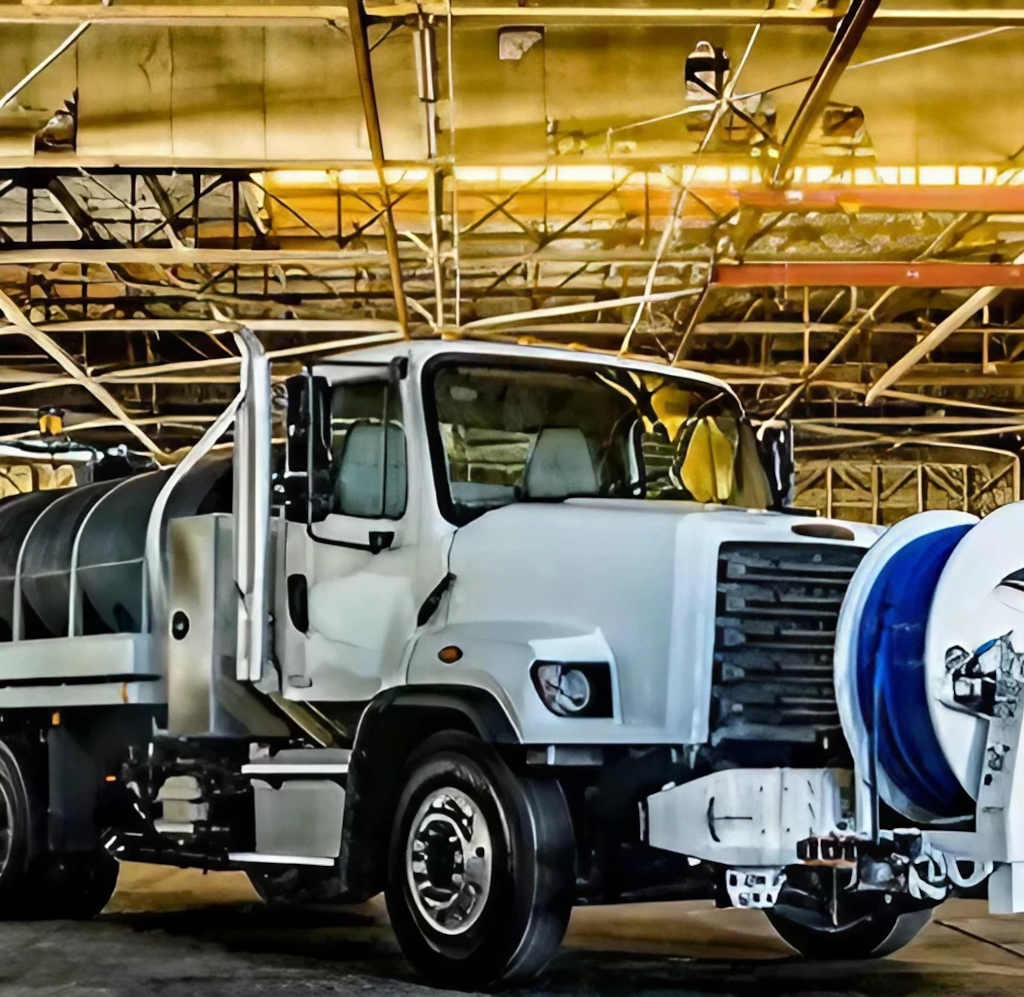
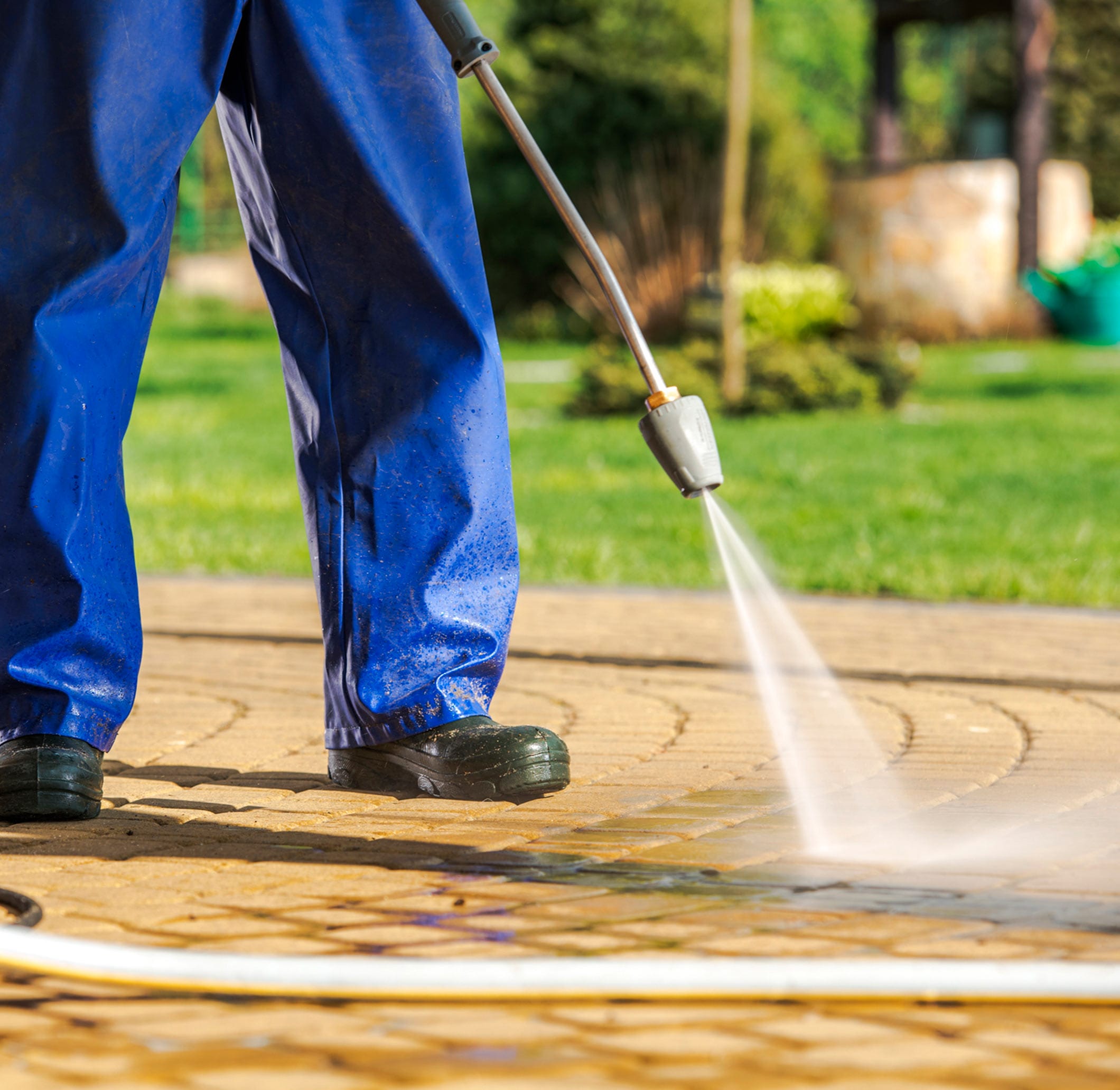
We remove sediment, trash, leaves, grease, and other buildup using high-pressure hydrojetting and vacuum equipment. This ensures that catch basins and piping systems stay clear and functional.Storm Drain Inspection
Using waterproof CCTV cameras, we inspect storm drains from the inside without the need for . This allows us to locate cracks, collapses, root intrusions, or blocked lines quickly and accurately.Drain Repairs
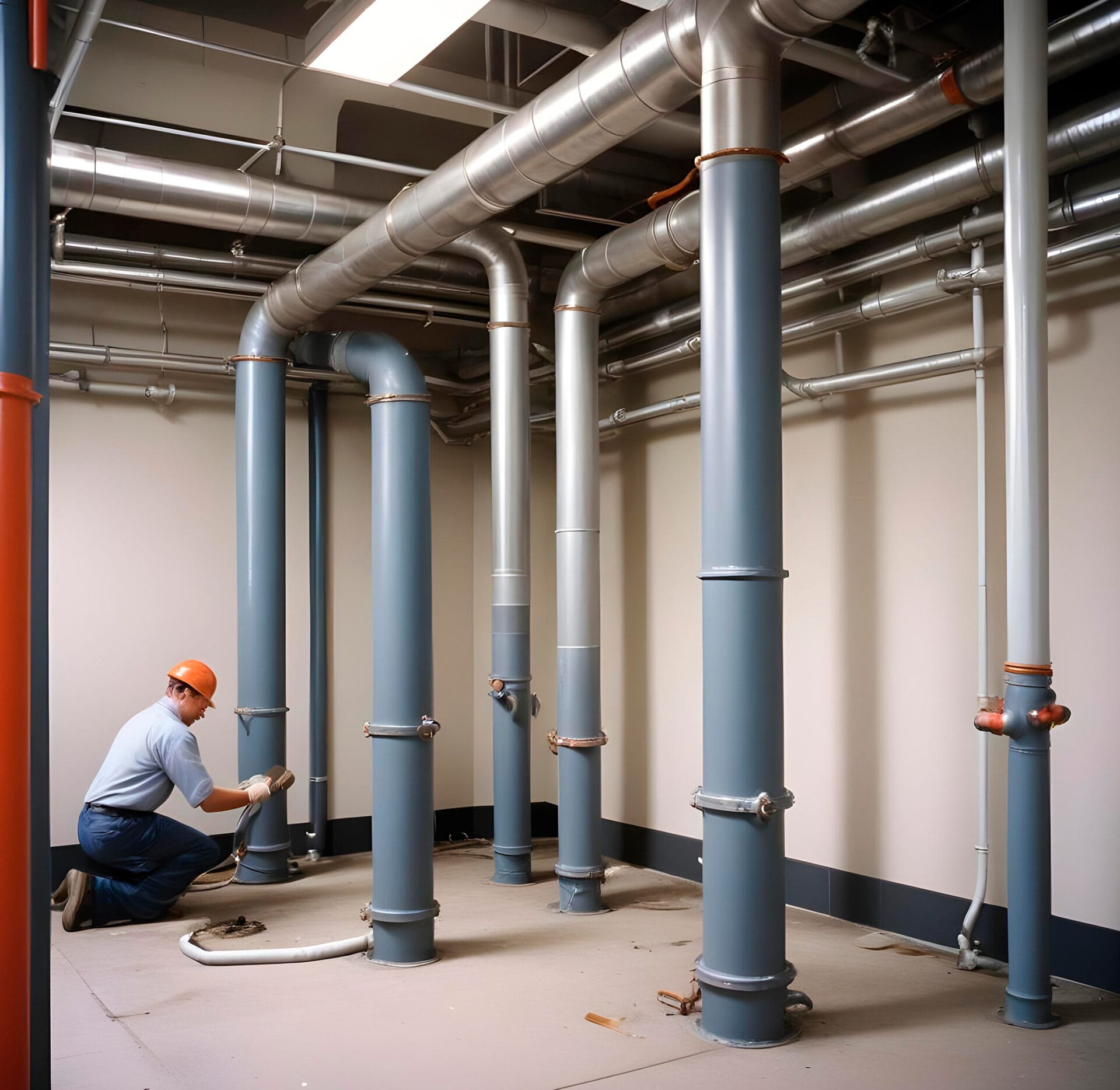
Our team can reline cracked pipes, reseal joints, and repair broken inlets with minimal disruption. All work is performed to meet Houston code and stormwater regulations.Emergency Service
Flooding can strike without warning. We offer 24/7 emergency response with a guaranteed 60-minute arrival time. Our technicians are trained to handle urgent backups, clear out standing water, and restore drainage fast.Maintenance Plans
We also offer routine maintenance programs for commercial, industrial, and residential properties. These regular cleanings help prevent emergency situations and protect your property investment.How Often Should Storm Drains Be Cleaned?
There’s no one-size-fits-all schedule, but here are general recommendations: Annually: For most commercial and residential properties Biannually or Quarterly: For restaurants, food facilities, or areas with heavy tree coverage Before Rainy Season: In preparation for increased stormwater runoff After Construction Projects: To clear sediment and debris that may have entered the system Regular cleaning reduces the risk of clogs and extends the life of your stormwater system. If you’re unsure what’s right for your property, we’re happy to assess and recommend a custom plan.When to Call a Professional
If you notice any of the following warning signs, it’s time to call a licensed Houston plumber with storm drain experience:- Water pooling around grates, manholes, or driveways
- Standing water that lingers long after rainfall
- Gurgling noises coming from
- Unpleasant smells from drains or catch basins
- Signs of erosion, sinkholes, or soil collapse near storm lines
- Unexplained flooding during light to moderate rain
Protect Your Property With TX Hydrojet
Storm drains are essential for keeping your home or business dry, especially in a flood-prone city like Houston. When they’re working, you barely notice them—but when they’re not, the consequences are immediate and costly. TX Hydrojet offers expert storm drain cleaning, inspection, repair, and emergency services backed by years of experience and a 60-minute response guarantee. Whether you’re looking to prevent flooding or fix an urgent drainage problem, our team is ready. Call TX Hydrojet today to schedule your storm drain service and protect your property before the next storm hits.Storm Drain FAQs
What is a storm drain?
A storm drain is an outdoor drainage system that collects rainwater runoff and directs it away from streets and buildings to prevent flooding.Is my storm drain connected to the sewer?
No. Storm drains are separate from sanitary sewer systems. They handle rainwater only.What causes a storm drain to clog?
Debris, like leaves, trash, grease, dirt, and tree roots, can block inlets and pipes.How do I know if my storm drain is blocked?
Watch for standing water, slow drainage, bad odors, or unusual noises from grates and basins.Can a clogged storm drain flood my home or business?
Yes. If water can’t drain properly, it can back up into your property or erode your foundation.How do you clean a storm drain?
TX Hydrojet uses high-pressure hydrojetting, vacuum systems, and camera inspections to clear and maintain storm drains.What is a catch basin?
It’s the chamber beneath a drain grate that collects water and traps debris before it enters the piping system.Who is responsible for storm drain maintenance?
Public storm drains are maintained by the city. Private systems (like in HOAs or business parks) are the responsibility of the property owner.Can tree roots damage storm drains?
Yes. Roots can enter small cracks and grow inside pipes, leading to blockages or full collapses.Does TX Hydrojet offer emergency storm drain service?
Yes. We provide 24/7 emergency response across Houston, with certified technicians arriving within 60 minutes.TX Hydrojet & Plumbing Team
Our team of licensed, insured plumbers in Houston, TX brings decades of combined experience to every job. We specialize in hydro jetting, drain cleaning, sewer repair, and 24/7 emergency plumbing services across the Greater Houston area.
(832) 203-7987