What's the Difference Between a Drain and a Sewer?
TX Hydrojet Team7 min read
When plumbing problems strike, it's easy to assume everything flows through the same system. After all, a clog is a clog—right? Not exactly. While drains and sewers both move wastewater, they serve very different purposes in your plumbing infrastructure. Understanding the difference can help you identify issues more quickly, avoid costly repairs, and know who's responsible when something goes wrong.
In this blog, we'll break down the difference between drains and sewers, explain how each one works, and show you what to do when they stop working as they should.
A drain issue might cause a slow or smelly sink. A sewer issue, on the other hand, could affect multiple fixtures or result in sewage backing up into your home.
What Is a Drain?
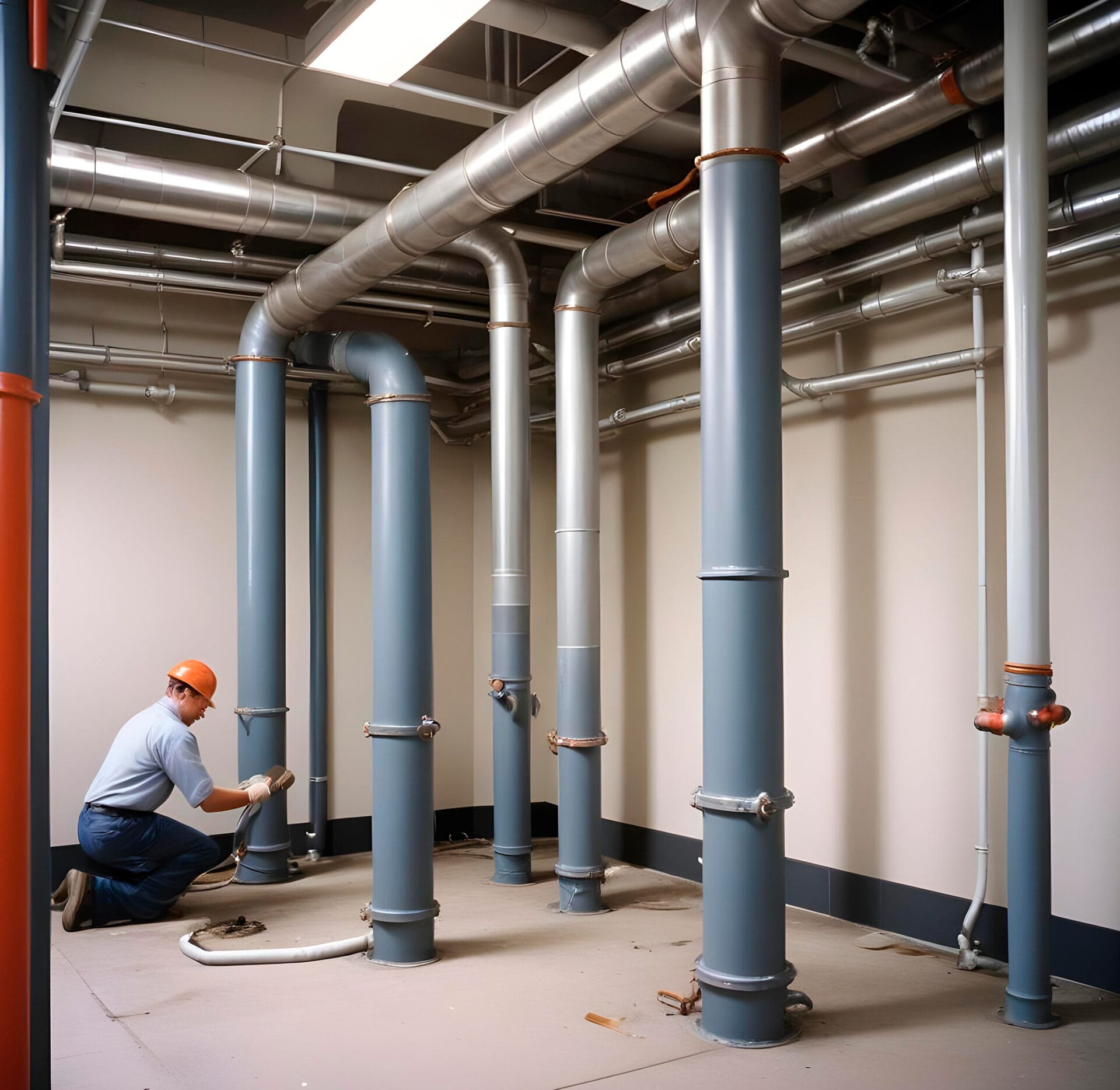
A drain is the part of your home or building's internal plumbing system that carries wastewater away from individual fixtures—like sinks, showers, tubs, toilets, and dishwashers. Each drain connects to a network of pipes that converge into the main building drain, which then leads to the sewer line outside your home. Drains are typically made from PVC, cast iron, or ABS piping, depending on your property's age and construction. They're designed to handle regular flows of water and waste from daily activities, but they can become blocked over time by:- Grease and cooking oils
- Hair and soap scum
- Food particles
- Paper products or foreign objects
What Is a Sewer?
The sewer is the larger, outdoor piping system that collects wastewater from your entire home or business and transports it to a treatment facility. There are two main components:- Building Sewer (or Lateral): This pipe connects your property's internal drain system to the public sewer system.
- Public Sewer: This is the utilities managed by your city or utility provider that carries wastewater to a centralized treatment plant.
Key Differences Between Drains and Sewers
While both systems move wastewater, they have different functions, sizes, responsibilities, and potential problems. Here's a quick breakdown:| Feature | Drain | Sewer |
| Location | Inside the building | Outside, |
| Function | Carries waste from fixtures | Transports wastewater to treatment |
| Pipe Size | Small (1.5–4 inches) | Larger (6+ inches) |
| Ownership | Property owner | Municipality or utility provider |
| Common Issues | Hair, grease, food blockages | Root intrusion, pipe collapse, backups |
| Maintenance | Handled by homeowner or plumber | Managed by city or water utility |
Common Drain Issues
Drain problems tend to be more localized, but they're no less frustrating. At TX Hydrojet, we often respond to the following:- Clogged bathroom or kitchen drains
- Standing water in tubs or sinks
- Slow drainage from one or more fixtures
- Gurgling or bubbling sounds in the pipes
- Foul odors from a single sink or shower
Common Sewer Problems
Sewer line issues can cause much bigger problems—and often affect multiple fixtures at once. These include:- Tree root intrusion into pipes
- Collapsed or broken sewer lines from shifting soil or aging infrastructure
- Grease buildup from household or commercial waste
- Foreign objects or "non-flushable" materials
- Sanitary Sewer Overflows (SSOs) during storms or system malfunctions
Who Manages Sewer Services in Texas?
In Texas, sewer services are regulated by both state and local agencies:Public Utility Commission of Texas (PUCT)
The PUCT regulates retail water and sewer utility providers across the state. They oversee service areas, customer rights, and utility performance.Texas Commission on Environmental Quality (TCEQ)
The TCEQ is responsible for wastewater treatment standards and the management of Sanitary Sewer Overflow (SSO) incidents. They help ensure Texas sewer systems meet public health and environmental standards.Local Municipalities
Cities and counties provide the actual sewer infrastructure and handle maintenance, billing, and repairs for the public side of the system. Property owners are responsible for maintaining their drains and lateral sewer lines up to the connection point with the city system.When to Call a Professional
Not sure whether the issue is with your drains or your sewer? Here are signs it's time to contact an expert:- Multiple fixtures are backing up at the same time
- Water backs up into tubs, showers, or basement drains when you flush the toilet
- Sewage odors are present indoors or in the yard
- Wet spots or sinkholes appear near your sewer line
- Gurgling sounds when water is used in other areas of the home
Call TX Hydrojet for Drain and Sewer Solutions
Understanding the difference between drains and sewers can help you act faster when something goes wrong. Whether you're dealing with a stubborn clog or a serious backup, TX Hydrojet is ready to help. Our expert technicians offer emergency service, advanced diagnostics, and full drain and sewer repair across the Houston area. We respond fast, work cleanly, and always explain your options clearly. Need help now? Contact TX Hydrojet to speak with a licensed Houston plumber and get your system flowing again.FAQs: Drains vs. Sewers
What's the main difference between a drain and a sewer?
Drains move wastewater from inside your home to the building sewer. The sewer transports that waste to a treatment facility.Do drains connect directly to the sewer?
Yes. Every drain in your home eventually leads to the main building sewer line, which connects to the city's system.Who is responsible for maintaining the sewer line?
You're responsible for the sewer line on your property (up to the city's main connection). The city maintains the public side.What causes sewer backups?
Common causes include tree roots, pipe collapse, grease blockages, or storm-related overflow.Can a slow drain indicate a sewer problem?
Sometimes. If multiple drains are affected or backups occur, the problem could be in the sewer line.What is an SSO?
An SSO, or Sanitary Sewer Overflow, is when untreated sewage is released from a system. These are monitored and reported by the TCEQ.Do you offer both drain and sewer services?
Yes. TX Hydrojet specializes in clearing, inspecting, and repairing both systems.How do you inspect sewer lines?
We use waterproof CCTV cameras to inspect lines without up your yard.Are "flushable" wipes safe for sewer systems?
No. Even labeled "flushable" wipes can cause clogs and should be avoided.What should I do if sewage backs up into my home?
Stop using all water and call TX Hydrojet immediately for emergency inspection and repair.TX Hydrojet & Plumbing Team
Our team of licensed, insured plumbers in Houston, TX brings decades of combined experience to every job. We specialize in hydro jetting, drain cleaning, sewer repair, and 24/7 emergency plumbing services across the Greater Houston area.
(832) 203-7987