Can Storm Drains Get Clogged?
TX Hydrojet Team8 min read
Storm drains are designed to keep our streets, homes, and neighborhoods dry by moving rainwater away from developed areas. But in a state like Texas, where weather extremes are common and city infrastructure is often under pressure, these drains can and do clog.
Clogged storm drains aren't just an inconvenience—they can lead to serious flooding, water damage, and costly repairs. Understanding how and why these clogs happen is key to staying prepared and protecting your property.
In this blog, we'll break down how storm drains work, what causes them to clog (especially in Texas), how to recognize early warning signs, and what you can do about it. We'll also explain when it's time to bring in a licensed Houston plumber from TX Hydrojet.
Why Storm Drains Matter in Texas
Storm drains are part of a vital public system that channels rainwater away from roads, buildings, and yards. In Texas, where tropical storms, hurricanes, and flash floods are frequent, this drainage system prevents water from pooling in low-lying areas and damaging foundations. Municipal drainage infrastructure varies by city, but many Texas communities—especially older neighborhoods—rely on aging storm drain systems. Over time, these systems can become vulnerable to blockages from natural debris, development runoff, or even poor maintenance. Because Texas weather can shift quickly from drought to downpour, storm drains need to function properly at all times. If a sudden rainstorm hits a clogged drain, water can back up rapidly, flooding streets and even homes in minutes.Stormwater Management Program
In Texas, stormwater management is taken seriously at the state level. The Texas Department of Transportation (TxDOT) outlines maintenance protocols and pollution prevention strategies in its Stormwater Management Program (SWMP). This program highlights the importance of regular inspection and cleaning of storm drains to reduce flooding, protect infrastructure, and keep harmful pollutants from entering local waterways. These same principles apply to residential and commercial properties—neglecting storm drain care can lead to blockages, backups, and preventable water damage.Can Storm Drains Really Get Clogged?
Yes, they can. Despite being built to carry large volumes of water, storm drains are not immune to blockages. Clogs occur when debris builds up in grates, pipes, or culverts—obstructing flow and causing water to back up into surrounding areas. In Texas cities like Houston, Austin, and Houston, this risk is heightened by heavy tree cover, dense urban development, and unpredictable rainfall patterns. What might start as a slow drainage issue can quickly turn into a neighborhood flood.10 Common Causes of Storm Drain Clogs
1. Leaves and Yard Debris
During fall or after lawn work, leaves, twigs, grass clippings, and mulch can collect near drain grates. Once it rains, all of that organic matter gets washed into the system, forming clogs at or just below the surface.2. Tree Roots
Roots from nearby trees can grow into storm drain pipes in search of moisture. Over time, they form dense blockages that slow water flow and can eventually break the pipe. This is especially common in older neighborhoods with mature trees.3. Construction Runoff
Texas has experienced a surge in residential and commercial development. Without proper erosion controls, construction sites often send silt, gravel, and trash into storm drains. These materials settle in the bottom of the pipe, reducing flow capacity.4. Trash and Litter
Plastic bags, bottles, wrappers, and other street litter get swept into storm drains during heavy rain. This type of debris can get caught in grates or create blockages further down the line.5. Sediment and Soil
In rural and suburban areas, sediment from nearby yards, fields, or poorly maintained ditches can slowly fill up stormwater channels and drains, leaving less space for water to move.6. Grease and Oil
While storm drains should never be used for disposing of grease or motor oil, some people still pour them down outside drains. These substances stick to pipe walls and catch other debris, making blockages worse.7. Leaves from Storm Cleanup
After Texas storms or hurricanes, piles of downed branches and soaked yard waste are often placed curbside for pickup. If not secured, this material may wash into storm drains and cause serious clogs.8. Animal Nests and Insects
Critters like rodents, birds, or insects sometimes take shelter in large storm drain openings. Their nests can reduce water flow, and in some cases, create safety hazards during high water.9. Frozen Debris
While not common in most of Texas, winter weather can cause frozen slush and blockages in storm drains—especially after sudden temperature drops or rare snowfalls in central and northern parts of the state.10. Neglected Maintenance
If storm drains aren't inspected and cleaned regularly, even minor buildup can worsen over time. Without maintenance, sediment, trash, and organic matter accumulate until the drain stops functioning altogether.Signs That a Storm Drain May Be Clogged
You don't need to wait for a flood to know something's wrong. Watch for these signs:- Water pooling around a curb, driveway, or street after light rain
- Slow drainage of water after storms
- Gurgling sounds from nearby outdoor drains
- Strong odors near storm grates or culverts
- Visible debris blocking the entrance to the storm drain
What Homeowners Can Do
You don't need to be a professional to help prevent clogged storm drains in your neighborhood. These small steps can make a big difference:- Keep curbs and gutters clear of leaves, grass, and trash.
- Trim nearby trees and shrubs to reduce falling debris.
- Never dump grease, oil, or chemicals into outside drains.
- Use gravel, straw, or fabric silt barriers if you're working on landscaping or renovations.
- Report serious blockages to your city or local drainage district.
When to Call a Professional
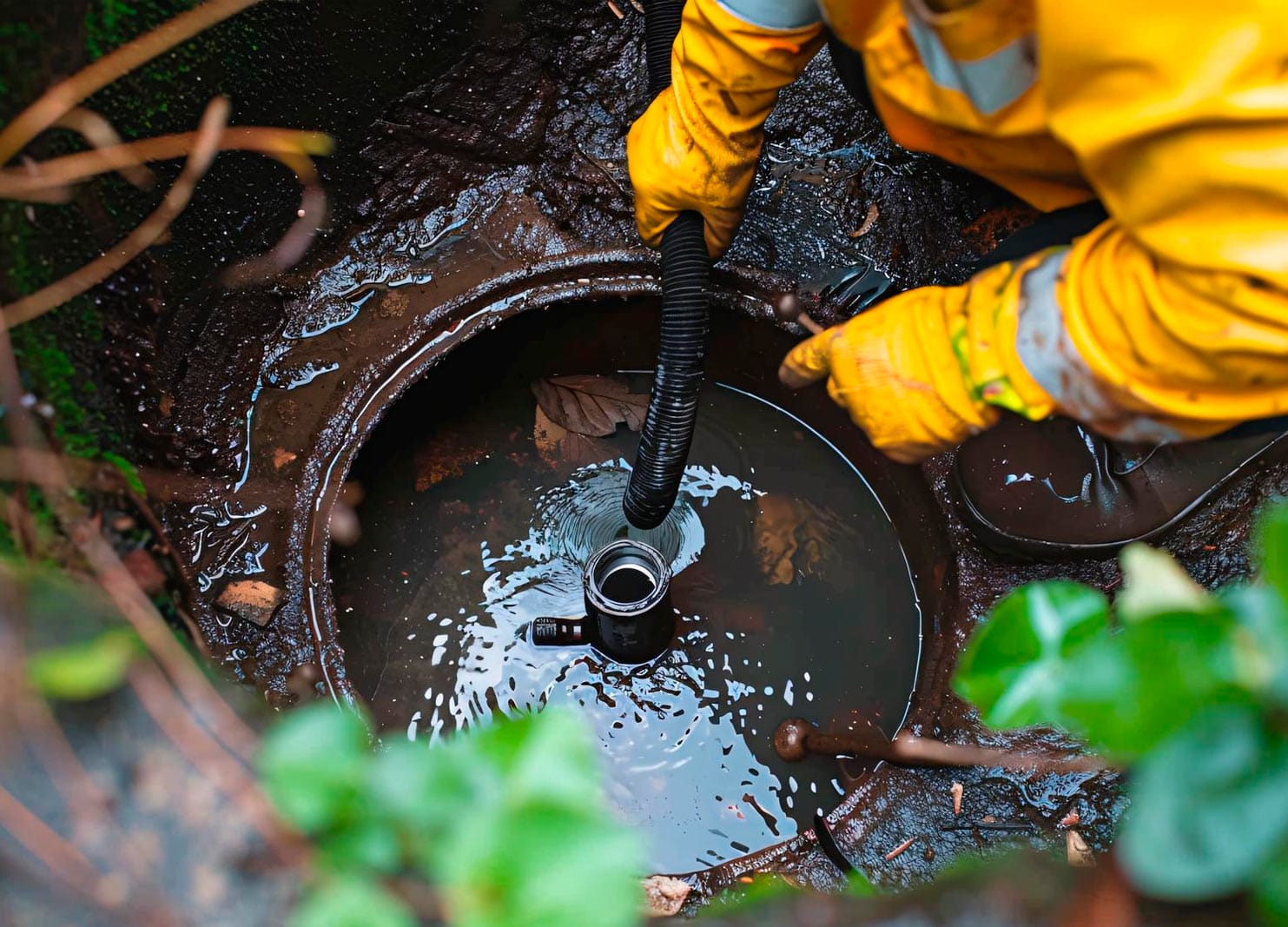
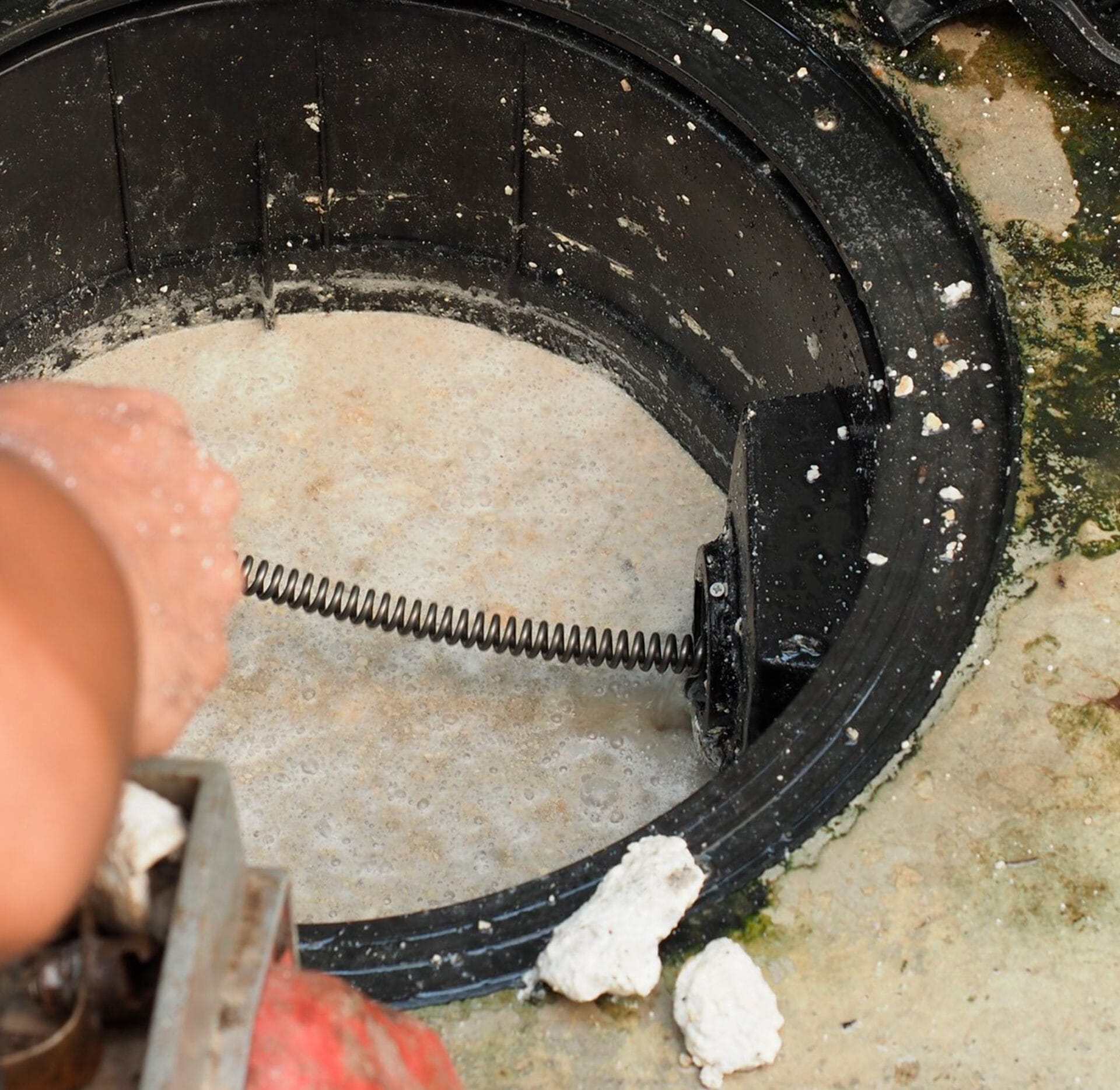
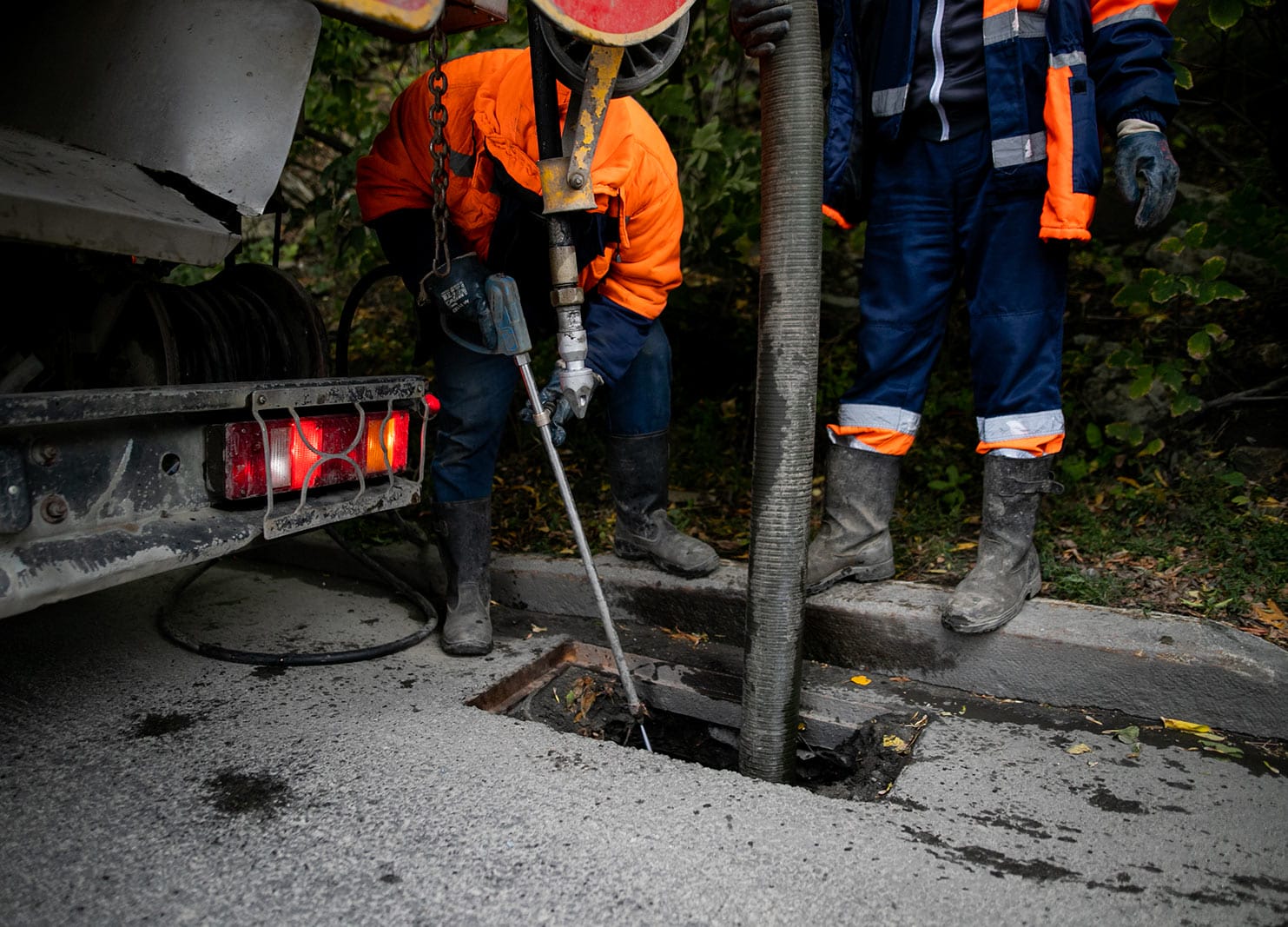
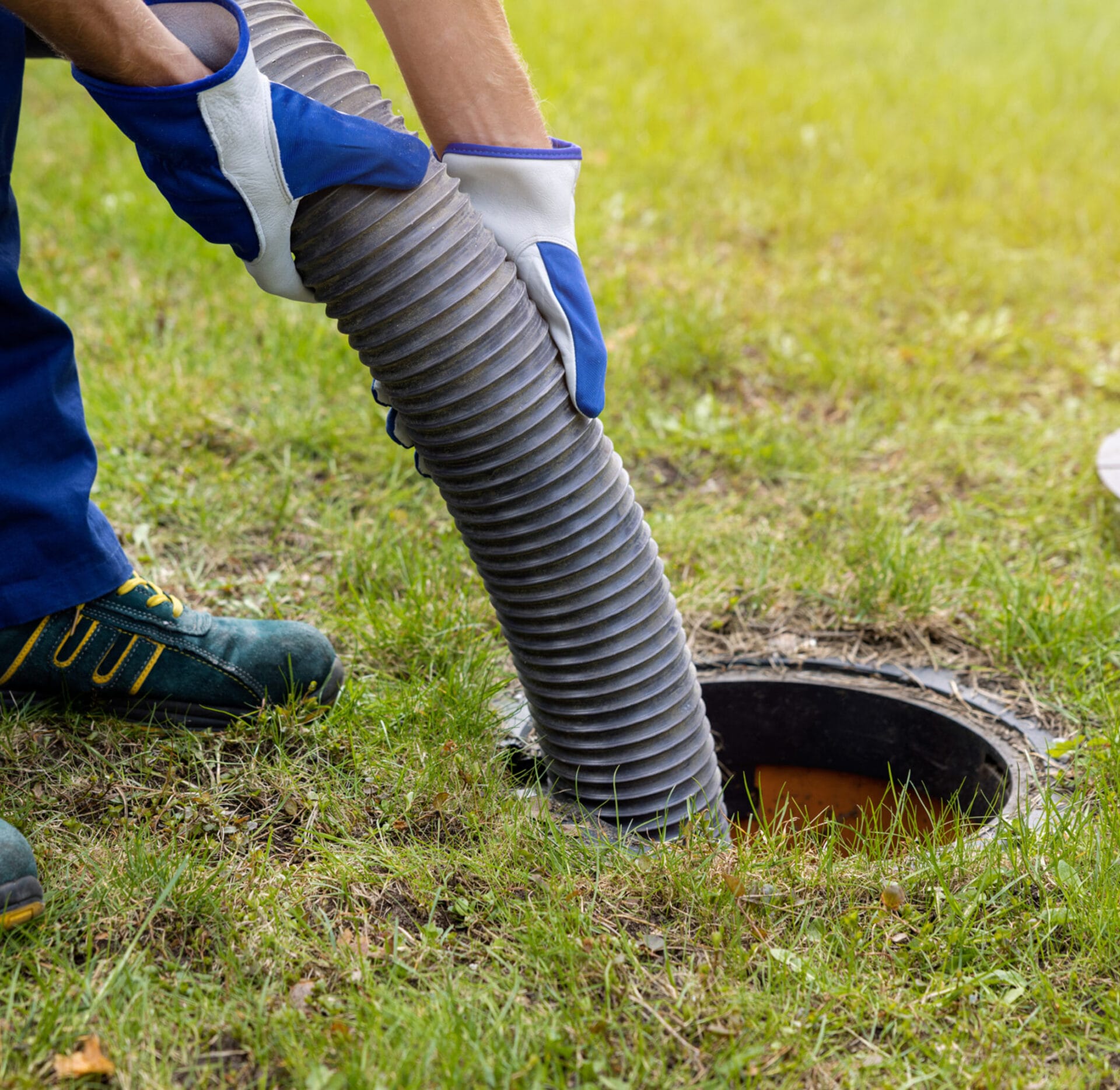
If your storm drain is consistently clogged, backing up, or causing water to collect near your home, it's time to call in an expert. TX Hydrojet offers storm drain inspection and cleaning services that go beyond surface-level clearing. Using high-pressure hydrojetting, our technicians can remove years of built-up debris, grease, or tree roots. We also offer video inspections to check for damaged sections of pipe that may require repair or replacement. A licensed Houston plumber from TX Hydrojet can help you identify and solve the issue before it leads to flooding, foundation damage, or costly cleanup.Final Thoughts
Storm drains are your first line of defense during Texas storms—but they only work if they're clean and flowing properly. Clogged storm drains are a common issue across the state, especially after heavy rain or long dry periods. With regular maintenance, good neighborhood habits, and help from a trusted local expert, you can reduce the risk of blockages and keep your property protected. If you suspect your storm drain is blocked or struggling to keep up, TX Hydrojet is ready to help.FAQs
Can I clean a storm drain myself?
You can safely remove visible debris like leaves or trash from the surface grate, but internal clogs should be handled by a professional.Are storm drains part of my home plumbing system?
Not exactly. Public storm drains are part of municipal infrastructure, but private properties may have their own stormwater lines or catch basins.How often should storm drains be cleaned?
Storm drains should be inspected at least once a year and cleaned as needed, especially before or after major storms.What's the best way to prevent clogging?
Avoid dumping anything down outside drains. Keep curbs, driveways, and gutters clear of trash and yard debris.What tools do professionals use?
Hydrojetting, video camera inspections, and pipe locators are commonly used to diagnose and clean storm drain lines.Can clogged storm drains damage foundations?
Yes. If water backs up near your home, it can seep into the foundation and cause structural issues over time.What's the difference between a storm drain and a sewer drain?
Storm drains carry rainwater runoff; sewer drains carry waste from sinks, toilets, and appliances. They are separate systems.Do cities clean storm drains?
Yes, but only those in public streets or easements. Homeowners are responsible for private storm drains on their property.Is hydrojetting safe for outdoor drains?
Yes. It's one of the most effective and environmentally friendly ways to clear outdoor drain pipes.How do I know if the clog is in the storm drain or sewer?
If water backs up only during rain, it's likely a storm drain. If it backs up during regular use, it may be a sewer issue. A plumber can confirm the cause.TX Hydrojet & Plumbing Team
Our team of licensed, insured plumbers in Houston, TX brings decades of combined experience to every job. We specialize in hydro jetting, drain cleaning, sewer repair, and 24/7 emergency plumbing services across the Greater Houston area.
(832) 203-7987