How to Solve Common Plumbing Problems When It Rains
TX Hydrojet Team7 min read
Heavy rainfall does more than soak yards. It can place a real strain on your plumbing system. Rain-induced plumbing problems aren't just inconvenient; they have the potential to cause significant damage if you don't act quickly.
In this blog, we will explore the most common plumbing issues that emerge when it rains, help you identify early warning signs, and guide you through immediate steps you can take before calling in the professionals.
Why Rain Affects Plumbing Systems
When heavy rain falls, the volume of water entering and surrounding your home or business increases substantially. Rain saturates the ground, raising pressure on pipes and potentially affecting the municipal sewer system. In Houston, where clay soil and poor drainage can impede water absorption, this pressure becomes even more pronounced. As sewers become overloaded, the likelihood of backflow into your property increases. Rain can also carry debris such as leaves, silt, and twigs into gutters, downspouts, and outdoor drains, which may clog plumbing over time. Inside the home, pipes that connect to the external sewer system may experience changes in pressure, leading to slow drains or air entering fixtures. In short, rain exposes vulnerabilities—clogs, improper grading, aging pipes, and faulty drainage systems—that might otherwise go unnoticed.Common Plumbing Problems During Rainy Weather
During heavy rain, several plumbing problems become more likely. Recognizing the early signs can help you act quickly and avoid bigger issues.Sewer Backups
When city sewer systems are overwhelmed, stormwater can cause sewage to back up through your home's drains and fixtures. This creates both a health risk and a costly mess.Clogged or Slow Drains
Rainwater often carries leaves, silt, and debris into outdoor drains, gutters, and downspouts. This buildup can slow or block water flow in your plumbing system.Foundation Drainage Issues
Pooling water near your foundation—often due to poor grading or blocked drains—can increase pressure on pipes and allow groundwater to seep into your system.Basement or Crawl Space Flooding
If sump pumps fail or exterior drainage is inadequate, water may enter crawl spaces or basements through cleanout pipes or vents.Gurgling Toilets or Drains
Bubbling or gurgling sounds in fixtures often mean air is trapped due to partial blockages. This is a common warning sign of an impending backup.Water Heater Pilot Light Outages
Humidity and moisture during storms can extinguish pilot lights or interfere with electronic components, especially in older water heaters. Identifying symptoms like gurgling, sewer odors, slow drains, or standing water early on can help you avoid major plumbing repairs later.Immediate Steps You Can Take
If plumbing issues arise during rain, here are essential steps you can take to manage the situation safely and effectively:- Shut off your building's main water valve to reduce incoming water volume and limit further pressure on your plumbing system.
- Avoid using any plumbing fixtures such as sinks, toilets, showers, or appliances. Continued use can worsen the issue or trigger a backup.
- Do not use chemical drain cleaners, as they often provide only short-term relief and can damage older or more fragile pipes.
- Inspect outdoor drains and downspouts for visible blockages such as leaves or twigs. Clear away any debris to help water flow away from your foundation.
- Watch for warning signs like foul sewer gas, standing water near external clean-out covers, or bubbling toilets and drains. These may point to a larger issue.
- Call a licensed Houston plumber immediately if you notice any of the above symptoms. Prompt professional help can prevent more extensive water damage or health risks.
How TX Hydrojet Solves Rain‑Related Plumbing Problems
Hydrojetting for Blocked Sewer and Drain Lines
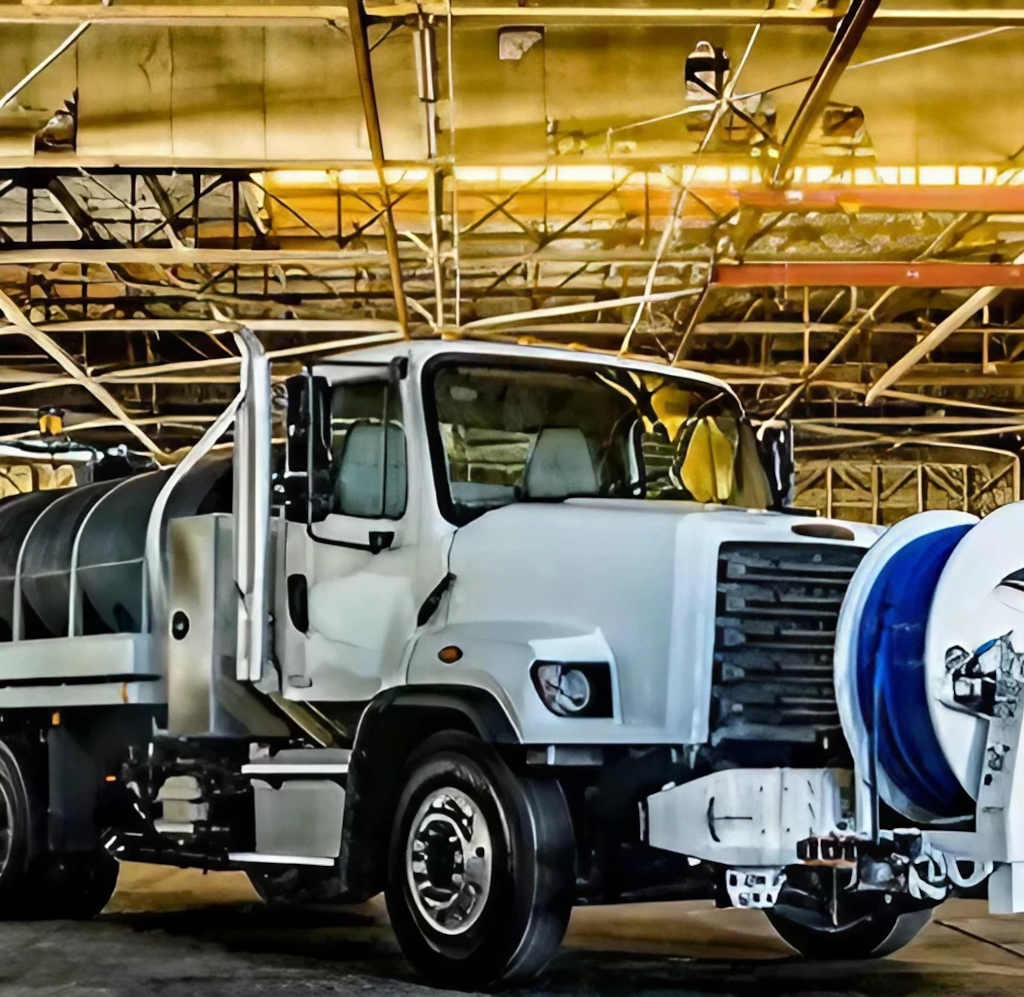
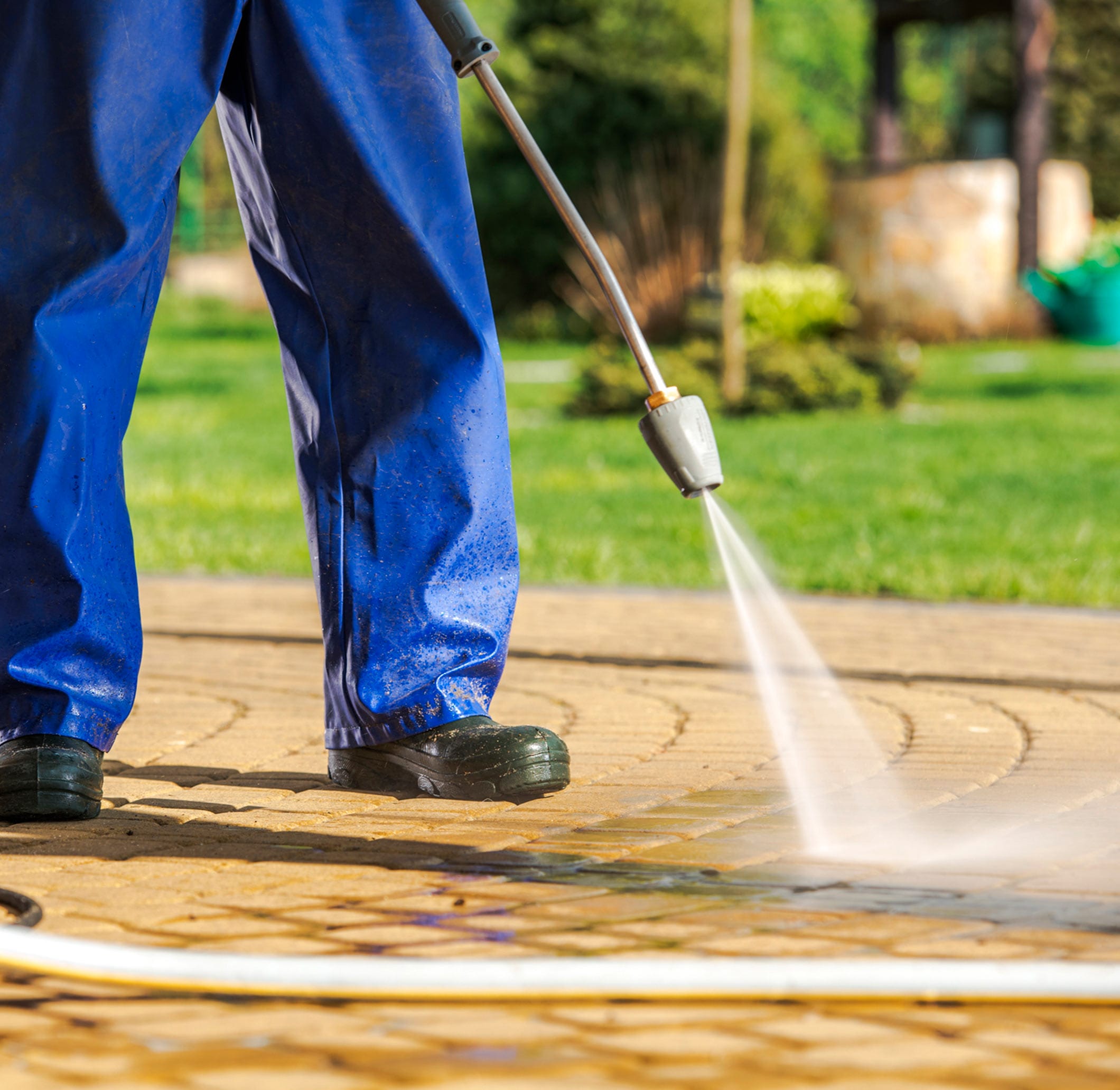
When rain causes plumbing trouble, TX Hydrojet offers an immediate and effective solution. Our hydrojetting service clears storm debris, silt, and roots from sewer and drain lines using high-pressure water safely tailored to each pipe's condition and material.Camera Inspections to Pinpoint the Problem
Video camera inspections allow our team to locate blockages or damaged pipe sections before any work begins. This eliminates guesswork and ensures that every solution is accurate and targeted.Fast Emergency Response for Flooding and Backups
For sewer backups or basement flooding during storms, TX Hydrojet provides 24/7 emergency response, typically arriving within 60 minutes to address the issue before it escalates.Commercial Solutions for Storm Drains and Grease Traps
Our commercial capabilities extend to storm drain and grease trap cleaning, ensuring businesses remain operational even during heavy downpours. We help prevent disruptions by clearing buildup quickly and efficiently.Leak Detection and Long-Term Repairs
Underground leak detection services locate hidden issues before they worsen. We complete repairs with minimal disruption to your property or operations, using the right tools for the job If you're dealing with sewer backups or slow drains during the next downpour, a licensed Houston plumber from TX Hydrojet can provide fast and effective solutions. We focus on diagnosing the root cause and applying long-term, reliable fixes—not temporary band-aids—to ensure your plumbing system performs well through every season.Preventive Measures to Protect Your Plumbing
Preventive maintenance is the best defense against rain-related plumbing problems. At TX Hydrojet, we recommend the following steps to help safeguard your system before the next storm:- Schedule regular drain cleaning before storm season to remove buildup and prevent blockages.
- Monitor and manage tree roots near sewer lines to reduce the risk of foundation drainage problems.
- Test your sump pump frequently by running water into the pit and confirming it activates automatically.
- Install a backwater valve to prevent sewer backflow during heavy rainfall—especially important in flood-prone areas.
- Keep gutters and downspouts clear and make sure they direct water at least five feet away from your foundation.
- Check your property's grading to ensure water flows away from your home and does not pool near the foundation.
Final Thoughts
Rainy weather inevitably tests your plumbing. Small warning signs like gurgling drains or slow toilets could indicate a developing problem. Left unchecked, these issues may lead to sewer backups, property damage, and costly repairs. It's best not to wait until water is flooding into your pipes or basement. Trained technicians from TX Hydrojet can respond rapidly, diagnose the cause, and apply definitive solutions designed for both residential and commercial systems. Acting early prevents emergencies and protects your property. Reach out at the first sign of trouble so your plumbing system remains reliable during Houston's next rain event.FAQs
Why does my toilet gurgle when it rains?
Gurgling occurs because partial blockage or pressure changes in your sewer line let trapped air escape through your toilet drain.Can rain cause my main sewer line to back up?
Yes. Heavy rain can overwhelm municipal sewer systems and push wastewater back into private pipes and drains.What should I do if water backs up into my shower during a storm?
Stop using water fixtures immediately, shut off the main valve, and call a professional. Continuing use may worsen the backup or flood your home.Are sewer odors during rain a sign of a serious problem?
Sewer gas smells often mean a dry trap or a plumbing system under pressure. Both issues require prompt attention to protect indoor air quality and prevent health risks.How do I know if my sump pump is working correctly?
Pour a bucket of water into the pit and observe whether the pump activates automatically and removes the water promptly. If it doesn't, it may fail under heavy rain.Can heavy rain affect my water heater?
Excess moisture or flooding may impact pilot lights or valves, especially in older units. Keep the area dry and alert a technician if you notice unusual malfunction.Should I schedule drain cleaning before storm season?
Absolutely. Preventive drain cleaning reduces buildup and improves drainage capacity, lowering the risk of backups during storms.What's the best way to prevent basement flooding during rain?
Maintain clear gutters and downspouts, confirm proper grading around your foundation, test your sump pump, and install a backwater valve if needed.How fast can TX Hydrojet respond during a plumbing emergency?
We respond 24/7 and aim to arrive within 60 minutes of your call in the Houston area.Is hydrojetting safe for old pipes during flood conditions?
When performed by a licensed technician, hydrojetting is safe. We adjust pressure settings based on pipe material and condition to ensure no damage occurs.TX Hydrojet & Plumbing Team
Our team of licensed, insured plumbers in Houston, TX brings decades of combined experience to every job. We specialize in hydro jetting, drain cleaning, sewer repair, and 24/7 emergency plumbing services across the Greater Houston area.
(832) 203-7987