Hydrojetting vs Snaking: What's the Best Way to Clear Your Drains in Texas?
TX Hydrojet Team8 min read
Clogged drains are a frequent plumbing issue for Texas homeowners and businesses.
For example in Houston, restaurant kitchens often deal with grease buildup, while older neighborhoods across the state face challenges from tree root intrusion and aging pipes. Hard water minerals also add to the problem, narrowing pipes and slowing drainage over time.
Plumbers typically rely on two main methods to clear blockages: snaking and hydrojetting.
Each works differently and has its own advantages depending on the type of clog. Knowing how these methods compare can help you choose the right solution for your plumbing system.
What Is Drain Snaking?
Drain snaking is a traditional method of clearing clogs using a flexible metal cable, also known as an auger. The cable is fed into the drain and rotated to break apart or hook onto the blockage, allowing it to be pulled out or pushed further down the line. Snaking is particularly effective for simple clogs, such as hair in bathroom drains or small food blockages in kitchen sinks. It’s also relatively quick and affordable, making it a common first step when dealing with a minor drainage issue. However, snaking is generally a temporary fix. While it can restore flow by punching a hole through the blockage, it doesn’t fully clean the pipe walls or prevent clogs from forming again in the future.What Is Hydrojetting?
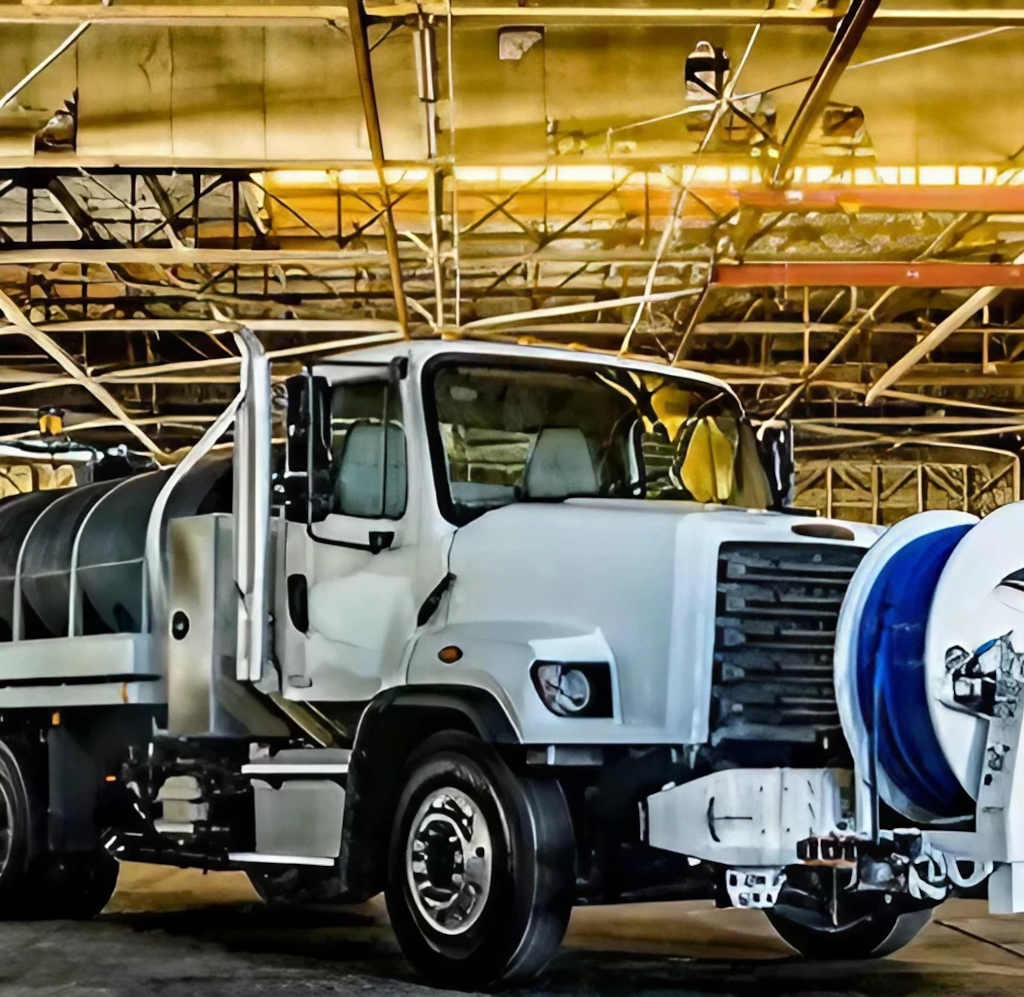
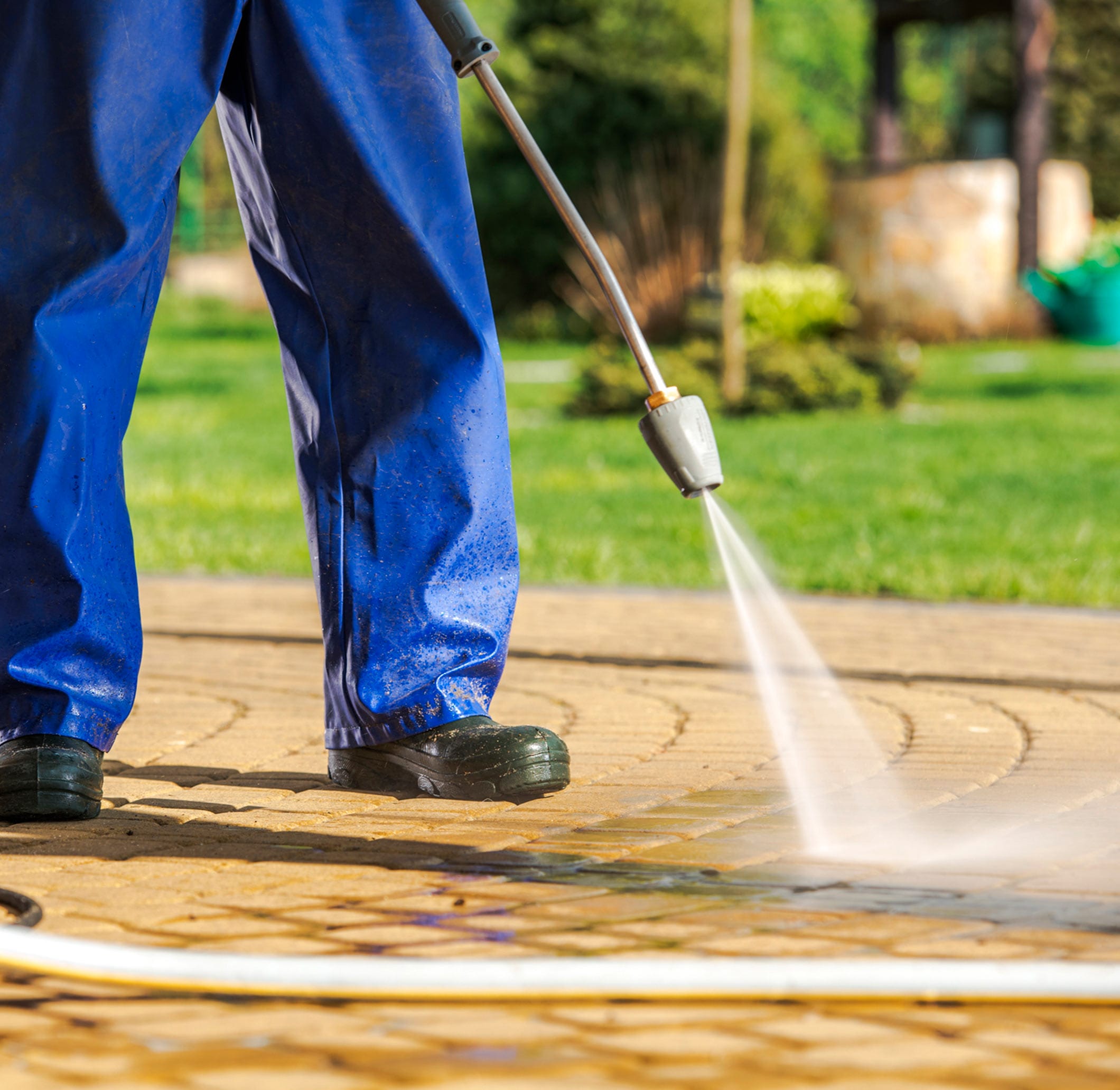
Hydrojetting is a drain cleaning method that uses a high-pressure stream of water to clear pipes. A specialized hose and nozzle are inserted into the line, blasting water in multiple directions to cut through the buildup and flush debris out of the system. Unlike snaking, which creates a path through the clog, hydrojetting cleans the entire pipe interior. It removes grease, mineral deposits, tree roots, and other stubborn blockages that traditional methods may leave behind. Because it scrubs pipe walls clean, hydrojetting often provides longer-lasting results. This method is especially useful for sewer lines, commercial plumbing systems, and homes with recurring clogs. However, it requires professional equipment and expertise to avoid damaging older or fragile pipes, which is why it should always be handled by a licensed plumber.Key Differences Between Hydrojetting and Snaking
Both hydrojetting and snaking are effective drain cleaning methods, but they work in very different ways. Understanding the differences can help determine which approach is best for your situation.- Depth of Cleaning – Snaking clears a path through the clog but often leaves buildup behind. Hydrojetting scours the entire pipe, removing grease, scale, and debris.
- Type of Clogs – Snaking is best for simple blockages like hair or small objects near the drain. Hydrojetting is better for grease, sludge, tree roots, and recurring clogs.
- Longevity – Because it only punches through the clog, snaking may provide temporary relief. Hydrojetting delivers a more thorough cleaning that helps prevent future blockages.
- Pipe Condition – Snaking is generally safe for older pipes. Hydrojetting is powerful and effective, but requires inspection first to make sure fragile pipes can handle the pressure.
- Cost and Time – Snaking is typically quicker and less expensive. Hydrojetting takes more time and equipment but provides longer-lasting results.
When to Use Snaking
Snaking is best suited for minor or isolated clogs that are close to the drain opening. For example, if you’re dealing with a slow bathroom sink caused by hair, or a small kitchen clog from food scraps. It’s also a good option for older plumbing systems that may not withstand the high pressure of hydrojetting. In these cases, a plumber can use a snake to carefully clear the blockage without putting too much stress on fragile pipes. However, because snaking doesn’t clean the pipe walls, clogs may return sooner than with hydrojetting.When to Use Hydrojetting
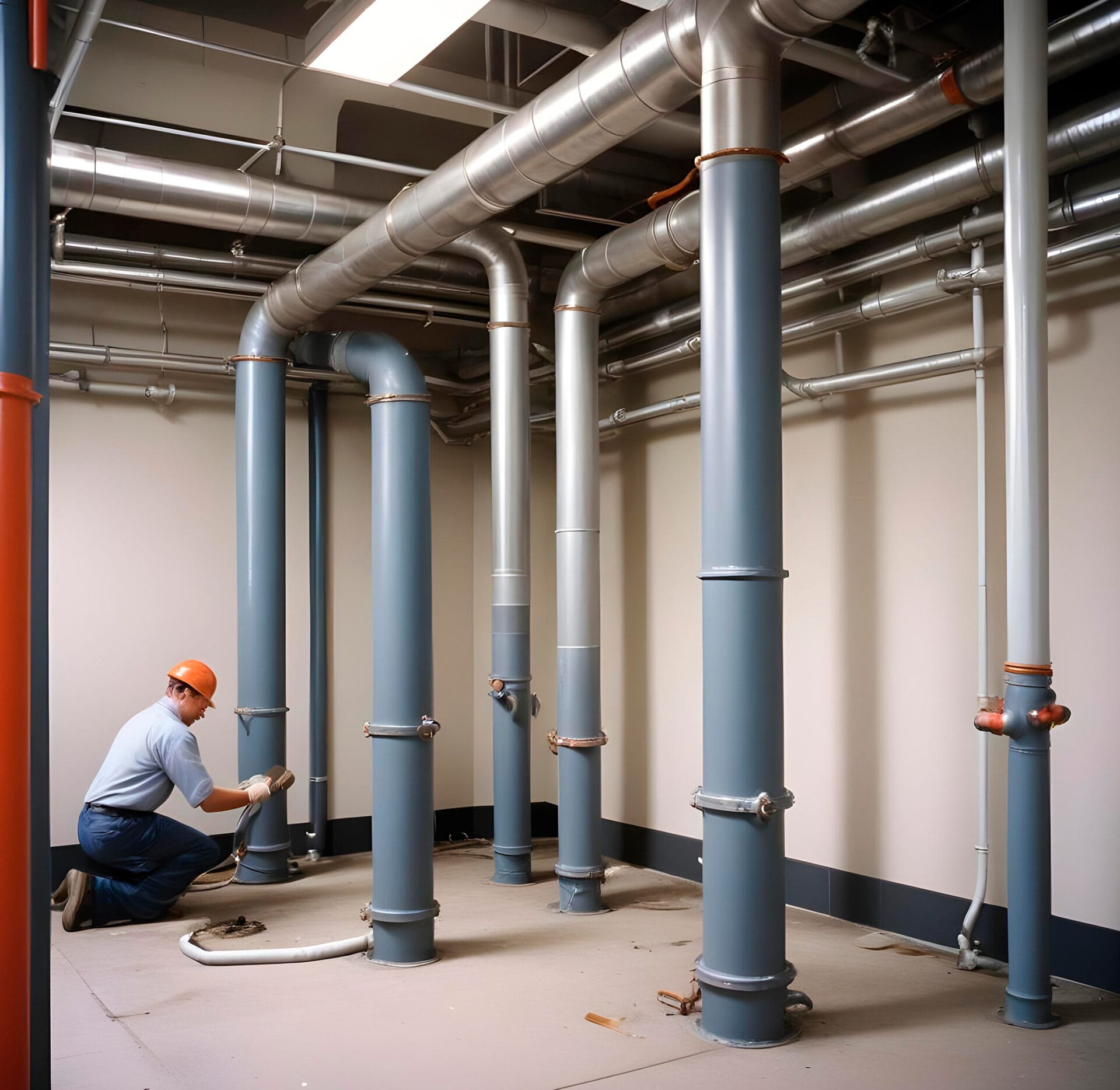
Hydrojetting is the better choice for tough or recurring clogs that snaking can’t handle. If grease, soap scum, or mineral deposits keep building up, hydrojetting clears not just the blockage but also the residue lining the pipes. It’s especially effective for sewer line problems, tree root intrusion, and heavy-use plumbing systems like restaurants and commercial kitchens in Texas. Hydrojetting is also recommended when multiple drains are backing up at once, which usually indicates a deeper problem in the main line. Because it provides a complete cleaning, hydrojetting helps reduce the risk of future blockages, making it a preferred solution for long-term plumbing health.Which Is Better for Texas Plumbing?
Both snaking and hydrojetting have their place, but Texas plumbing systems often face challenges that make hydrojetting the stronger option for long-term results. In older neighborhoods across Houston, Dallas, and Houston, cast-iron and clay sewer lines are still common. These pipes are prone to cracks and scale buildup, which snaking can only temporarily relieve. Hydrojetting, on the other hand, clears away years of mineral deposits, grease, and debris that build up in these older systems. Tree roots are another widespread issue in Texas due to large shade trees and shifting clay soils. While a snake may break through the root mass, hydrojetting with specialized nozzles can cut and flush the roots out of the line more thoroughly. That said, snaking is still a useful tool for small, isolated clogs or in situations where pipes are too fragile for high-pressure cleaning. The best choice ultimately depends on the type of blockage, the condition of your pipes, and whether you’re looking for a quick fix or a lasting solution.How to Prevent Clogs Before They Happen
While hydrojetting and snaking are effective ways to clear drains, the best approach is to avoid major clogs in the first place. With a few simple habits and regular preventative maintenance, you can reduce your risk of blockages.- Be mindful of what goes down the drain – Grease, oils, coffee grounds, and food scraps should go in the trash instead of the sink. In bathrooms, avoid flushing wipes or hygiene products, even if they’re labeled “flushable.”
- Install drain strainers – Catch hair, soap scum, and food particles before they enter the pipes. These inexpensive tools can save you a lot of hassle.
- Use hot water flushes – Running hot water down kitchen drains after washing dishes helps dissolve oils and soap that might otherwise harden inside pipes.
- Schedule professional inspections – A camera inspection every few years can catch early signs of buildup, root intrusion, or pipe damage before they lead to a full blockage.
- Plan for preventive cleaning – Homes with older pipes or frequent issues benefit from scheduled hydrojetting to keep lines clear and flowing smoothly.
Final Thoughts: Choosing the Right Drain Cleaning Method
Snaking and hydrojetting are both effective ways to clear clogged drains, but they serve different purposes. Snaking is a quick and affordable fix for minor clogs close to the surface, while hydrojetting provides a deeper cleaning that tackles tough blockages and helps prevent future problems. For Texas homeowners and businesses where grease buildup, tree roots, and aging pipes are common, hydrojetting often delivers the most reliable long-term results. Still, the right solution depends on your specific plumbing system and the type of clog you’re facing. A professional plumber can inspect your drains and recommend the best option to restore flow safely and effectively.Hydrojetting vs. Snaking FAQs
Does hydrojetting work better than snaking?
Yes, hydrojetting provides a more thorough cleaning by removing buildup from pipe walls. Snaking is effective for minor clogs but usually offers only temporary relief.Is hydrojetting safe for old pipes?
It depends on the condition of the pipes. A plumber should perform an inspection first. If pipes are too fragile, snaking may be the safer option.How often should drains be hydrojetted in Texas homes?
Most households benefit from hydrojetting every one to two years, especially in areas with hard water, tree root problems, or frequent clogs.Can I snake my own drains at home?
Yes, you can use small hand snakes for simple clogs, but professional snaking is more effective for stubborn or deeper blockages.Is hydrojetting worth the cost compared to snaking?
While hydrojetting costs more upfront, it cleans pipes more thoroughly and lasts longer, which can save money by reducing repeat clogs and emergency calls.TX Hydrojet & Plumbing Team
Our team of licensed, insured plumbers in Houston, TX brings decades of combined experience to every job. We specialize in hydro jetting, drain cleaning, sewer repair, and 24/7 emergency plumbing services across the Greater Houston area.
(832) 203-7987