What Does 'Utilities' Mean on a Plumbing Truck? A Houston Property Manager's Guide
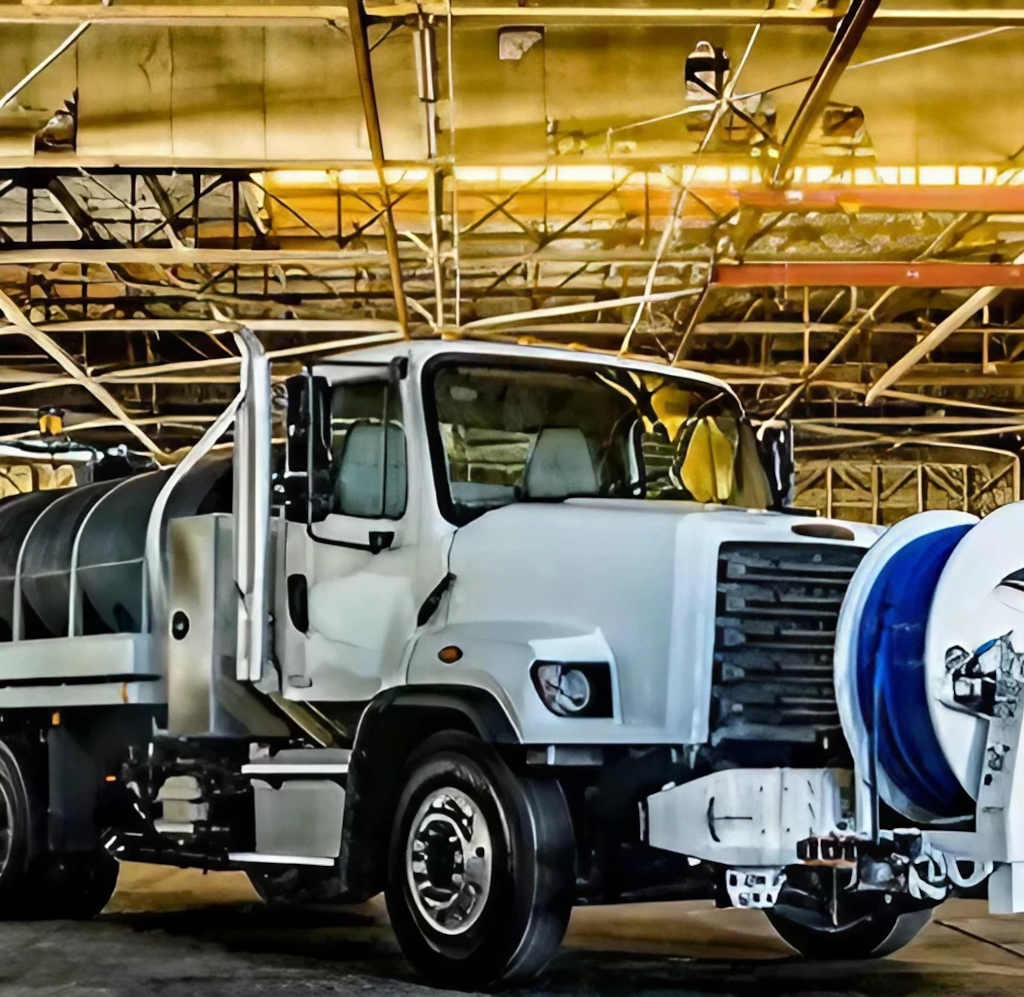
Picture two trucks parked side by side at a commercial job site on Houston's west side. Both are clean, both have logos, both carry specialized equipment. One says "Plumbing." The other says "Utilities." The property manager standing on the curb knows the first truck handles the leaky faucet in unit 214. But the second truck? That's a different world entirely — and understanding the difference could save you thousands of dollars, weeks of headache, and a very unpleasant call from a city inspector.
This guide is for property managers, facility directors, commercial real estate operators, MUD board members, and general contractors who have seen that word — Utilities — and wondered what it actually signals. The answer is more meaningful than you might expect.
The Short Answer: "Utilities" Means Underground Infrastructure
When a plumbing truck carries the word "Utilities" on its wrap, it is signaling to a specific audience: municipalities, procurement officers, HOA boards, MUD districts, and commercial operators. It means the company is equipped, licensed, and insured to work on the buried systems that move water, waste, and process fluids at scale — the infrastructure that exists underground, often in confined spaces, often under active roadways or landscaping, and often shared across dozens or hundreds of units or tenants.
A residential plumber handles the pipes inside a building. A utility contractor Houston handles the pipes, mains, and conveyance systems beneath the ground around, under, and between buildings. The scope, risk profile, equipment, certifications, and pricing are fundamentally different.
That word on the truck is not marketing fluff. It is a coded declaration of capability — and buyers who know what it means can use it to quickly qualify vendors for the jobs that actually require that level of expertise.
What "Utilities" Plumbers Actually Do (vs. a Residential Plumber)
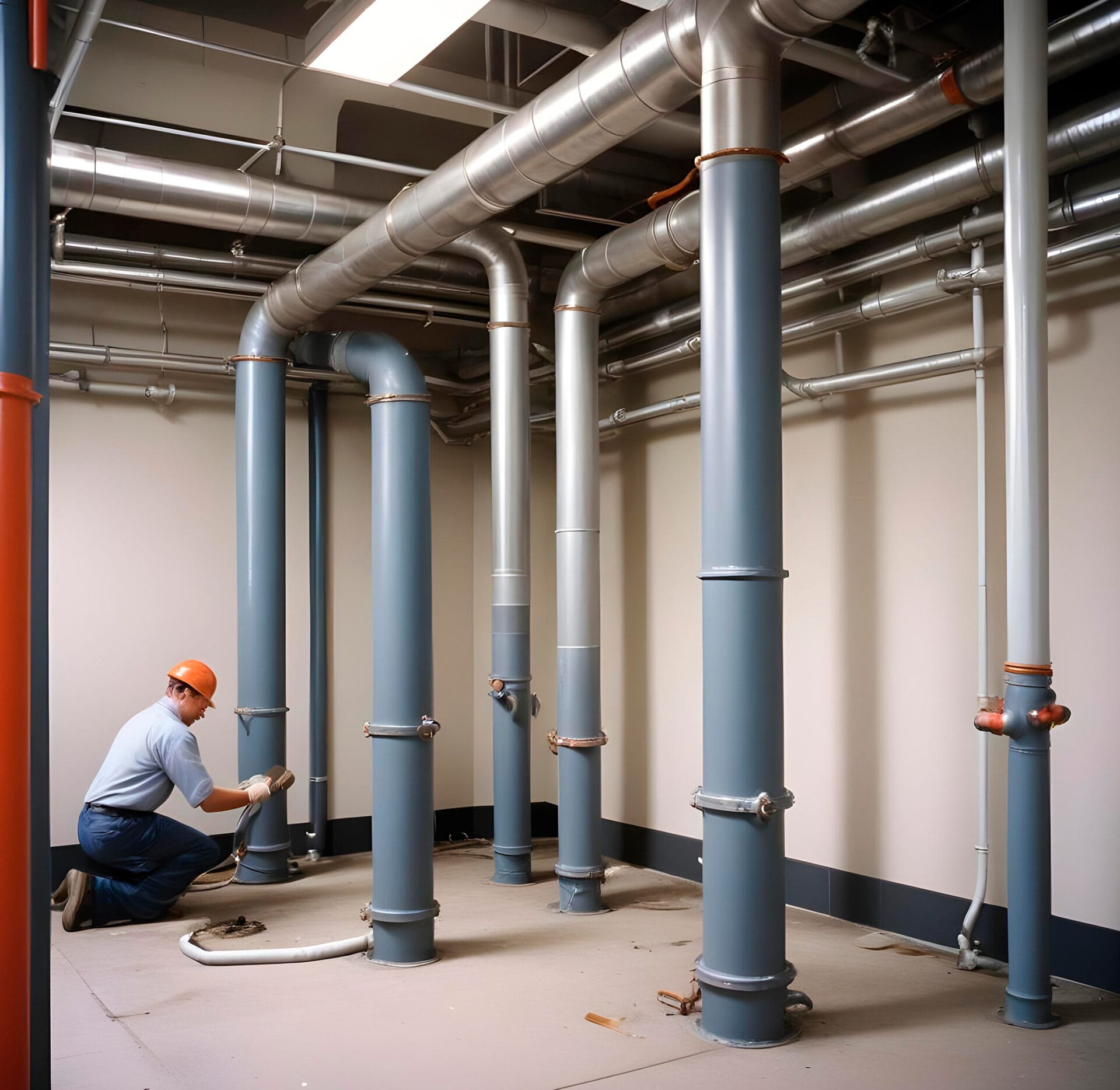
A licensed residential plumber is trained and certified to work on the systems inside a structure — supply lines, drain lines, fixtures, water heaters, and the service connection up to the point where the city's main meets the building. That scope is meaningful and necessary. It is also limited by design.
A utility contractor works on the infrastructure that sits outside that boundary. Here is how that breaks down by system type.
Storm and Sanitary Sewers
Commercial and multifamily properties have two separate buried pipe networks: one that carries sanitary waste to the municipal treatment system, and one that carries stormwater runoff to drainage channels or retention. Both systems involve large-diameter pipe — often 8 inches to 36 inches or larger — running at significant depth, with manholes, cleanouts, and lateral connections along the way.
When these lines fail, root intrusion, grease accumulation, pipe collapse, or joint separation are usually the cause. Diagnosing and repairing them requires CCTV pipeline inspection, high-pressure hydrojetting, and often open-cut or trenchless excavation methods. A residential plumber's snake and camera rig are not designed for pipes of this diameter or depth.
Water Mains
The water main serving a large apartment complex, retail center, or industrial campus is not a household supply line. It may be a 4-inch to 12-inch pressurized pipe buried 3 to 6 feet below grade, serving fire suppression systems, irrigation, and all domestic fixtures simultaneously. Repairing or replacing sections of a water main requires shutting down service in a controlled sequence, working within active utility corridors, and restoring the line to specific pressure and disinfection standards before reconnecting.
That work falls squarely under underground utility services — and it requires a contractor who carries the appropriate licensing, insurance, and coordination relationships with the water authority.
Lift Stations and Force Mains
Many commercial properties and municipal utility districts rely on lift stations — pump systems that move wastewater uphill or across long distances when gravity drainage is not possible. A lift station failure is not an inconvenience. It is a sewage backup event that can affect dozens of units simultaneously and trigger regulatory notices if overflow reaches a waterway or street.
Maintaining, repairing, or rehabilitating a lift station requires familiarity with wet well design, pump specifications, float controls, emergency bypass pumping, and confined space entry protocols. This is not a residential plumbing call. It is a specialized utility service requiring a contractor trained and certified for that environment.
Industrial Process Lines
Manufacturing facilities, car washes, food processing operations, and other industrial tenants often run process water lines, chemical drainage systems, and high-volume grease or solids conveyance systems that have no residential equivalent. These lines require chemical compatibility knowledge, regulatory compliance awareness, and equipment capable of handling flows that would overwhelm a standard service truck. B2B plumbing Houston often means exactly this category — the industrial and commercial process side of underground plumbing that most residential contractors never encounter.
Certifications That Back the "Utilities" Wrap
The word on the truck is only as credible as the credentials behind it. When you are vetting a utility contractor, these are the certifications and standards that separate a qualified operator from a company that simply printed a bigger word on their door panel.
811 Call Before You Dig Compliance: Federal and state law requires contractors to notify the 811 underground utility notification system before any excavation. A legitimate utility contractor treats this as non-negotiable, not a courtesy. Failure to call 811 before digging can result in struck gas, electric, or telecom lines — and personal liability for the contractor and the property owner.
NASSCO PACP Pipeline Assessment Certification Program: The National Association of Sewer Service Companies developed PACP as the North American standard for CCTV pipeline inspection scoring and reporting. A PACP-certified technician evaluates pipe condition using a standardized coding system that produces defensible, comparable inspection reports. If a contractor cannot produce NASSCO PACP-coded reports, their camera inspection has limited value for capital planning or insurance documentation.
OSHA 29 CFR 1926 Confined Space Entry: Manholes, wet wells, and underground vaults are permit-required confined spaces under federal OSHA regulations. Working in them without proper training, atmospheric monitoring, retrieval systems, and a trained attendant is both illegal and genuinely dangerous. Any utility contractor sending workers into underground structures must have a documented confined space entry program and trained personnel. Ask for it before any work begins.
TCEQ-Licensed Operator: The Texas Commission on Environmental Quality issues licenses for water and wastewater system operators. For work on systems connected to public infrastructure — particularly lift stations, wastewater treatment systems, and public water supply lines — a TCEQ-licensed operator of the appropriate classification is often a regulatory requirement, not an optional credential.
Underground Utility Contractor Licensing: Texas requires specific licensing for contractors performing underground utility work, separate from the standard plumbing license. This licensing exists because underground work involves additional risks — soil conditions, existing utility conflicts, pressure system isolation, and public right-of-way coordination — that fall outside the residential plumbing scope.
Why Pricing Looks Different on the "Utilities" Side
Property managers who request bids from a utility contractor for the first time sometimes experience sticker shock. The numbers are 3 to 10 times higher than what a residential plumber quoted for "the same drain problem." Here is why that comparison does not hold up.
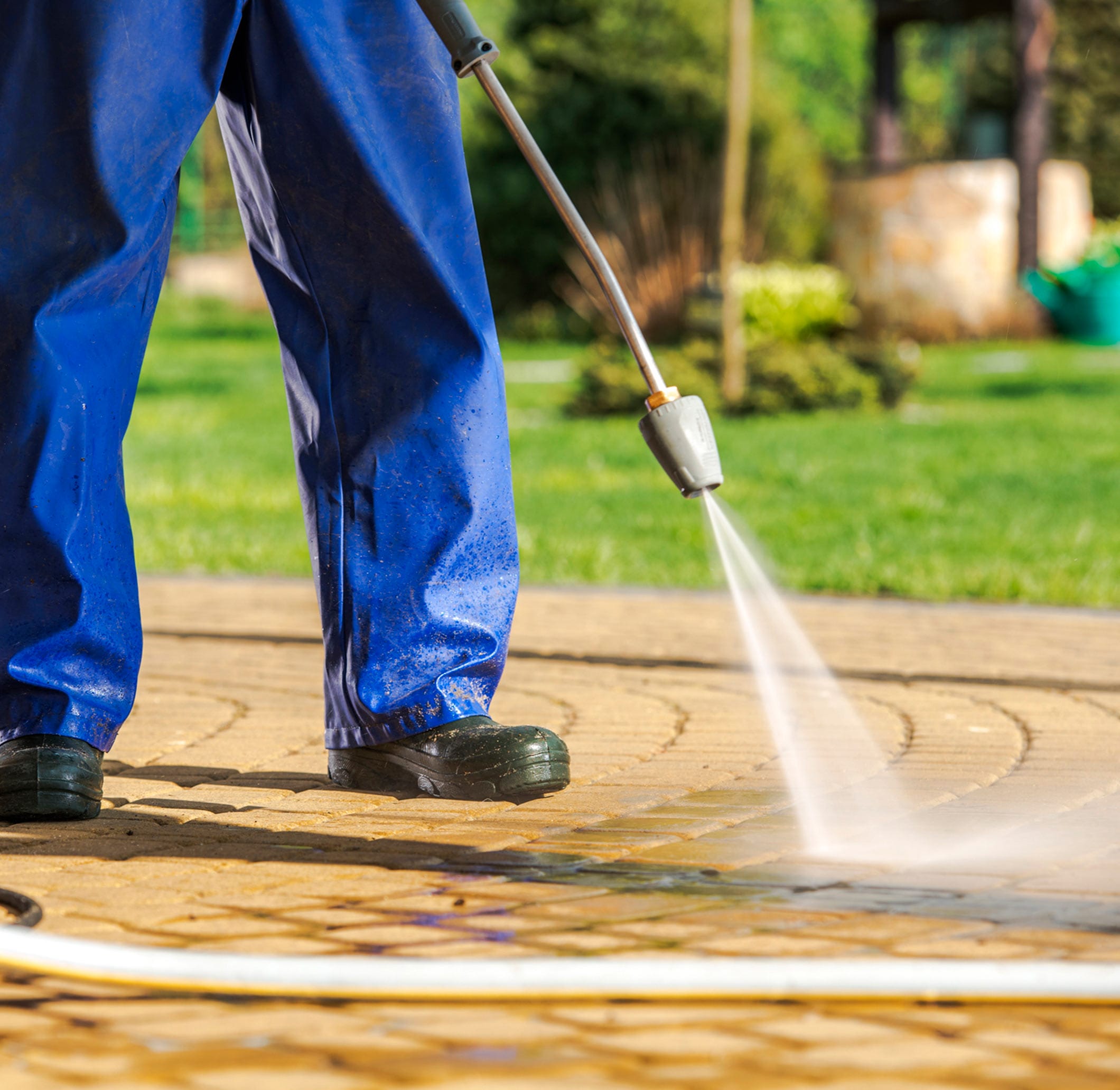
The equipment is different. High-pressure hydrojetting commercial systems capable of clearing 10-inch to 24-inch mainlines operate at pressures exceeding 4,000 PSI with flow rates that residential jetting equipment cannot match. Vacuum excavation trucks, confined space entry equipment, pipeline CCTV camera systems with sonar options, and bypass pumping rigs represent hundreds of thousands of dollars in capital investment that residential contractors simply do not carry.
The liability is different. A crew working in a confined space on a pressurized water main under an active parking lot carries insurance exposure that a residential plumber operating inside finished walls does not. That insurance cost is reflected in the rate.
The regulatory burden is different. Pulling permits, coordinating with municipal utility districts, scheduling traffic control on public right-of-way, and generating compliant inspection documentation all require administrative infrastructure that adds to the cost structure.
And the consequence of failure is different. A residential drain repair gone wrong floods a bathroom. A failed water main repair on a commercial property floods an entire building, triggers business interruption claims, and potentially exposes the property owner to third-party liability. The pricing reflects the stakes.
How to Tell If a "Utilities" Plumber Is the Real Deal
The word "Utilities" on a truck is not regulated. Any contractor can print it. Here are six questions that separate legitimate utility contractors from residential plumbers who upgraded their truck graphics.
- Can you provide a NASSCO PACP-coded inspection report from a recent commercial project? A contractor who has actually done pipeline inspection work for commercial or municipal clients will have these reports on file and understand the question immediately.
- Do your technicians hold current OSHA confined space entry certification? Ask for documentation, not just a verbal yes. Legitimate contractors have written confined space programs and training records.
- Are you licensed for underground utility work in Texas, separate from your plumbing license? This is a binary question with a verifiable answer through the Texas Secretary of State and TDLR databases.
- Who is your TCEQ-licensed operator of record? For any work touching public water or wastewater infrastructure, this person should be named and their license number provided.
- What is your bypass pumping capacity, and how quickly can you mobilize it? A utility contractor who has never had to maintain sewer service continuity during a line repair will not have a clear answer to this question.
- Can you provide references from MUD boards, apartment complexes above 100 units, or commercial property managers? The client list tells you where a contractor actually operates. A company that names only single-family homeowners is telling you something important.
Common Houston Use Cases
Understanding when to call a utility contractor rather than a standard plumber becomes intuitive once you see the pattern across property types.
- Apartment complex sewer main backup: A 150-unit complex reports multiple ground-floor units backing up simultaneously. This is a mainline failure, not individual unit drains. The solution is CCTV inspection followed by sewer line repair or hydrojetting of the 6-inch to 10-inch sanitary main — utility contractor work.
- Retail strip center lift station alarm: A strip center's lift station float triggers a high-water alarm at 11 PM. This requires emergency bypass pumping, pump inspection or replacement, and wet well cleaning — all confined space and utility contractor scope.
- MUD district storm drain rehabilitation: A municipal utility district identifies cracked or root-infiltrated storm drain pipe during annual inspection. Trenchless lining, point repair, or manhole rehabilitation requires a contractor with NASSCO certification and MUD procurement compliance.
- Restaurant grease trap interceptor maintenance: A large grease trap or interceptor serving a food service anchor tenant requires periodic pumping, inspection, and often hydrojetting of the downstream line to prevent FOG (fats, oils, and grease) accumulation in the sanitary sewer — a regulatory requirement in most Houston-area jurisdictions.
- Industrial tenant process line repair: A manufacturing or food processing tenant reports a failure in their process drainage line. High-flow, chemical-resistant repair work in an industrial setting requires utility-grade equipment and appropriate contractor licensing.
FAQ
Is a utility contractor the same as a commercial plumber?
They overlap but are not identical. A commercial plumbing Houston contractor typically handles above-grade systems inside commercial buildings — restrooms, mechanical rooms, backflow preventers, and building service connections. A utility contractor specializes in the buried infrastructure outside the building envelope. Some companies do both. When your problem is underground, verify that the contractor holds utility-specific licensing and equipment, not just a commercial plumbing credential.
Do I need a utility contractor for a routine drain cleaning?
It depends on where the blockage is. If it is inside a unit or building — within the internal drain-waste-vent system — a standard plumber or drain service company is appropriate. If the blockage is in the mainline, a shared lateral, or a line that exits the building into the underground infrastructure, a utility contractor with commercial hydrojetting capability is the right call.
What is the difference between hydrojetting and a standard drain snake?
A drain snake (auger) mechanically breaks through or dislodges a blockage. It leaves scale, grease film, and root fragments on the pipe wall. High-pressure hydrojetting uses a water jet at 2,500 to 4,000+ PSI to cut through roots, blast out grease accumulation, and flush debris completely out of the line. For commercial mainlines with recurring blockage history, hydrojetting provides significantly longer intervals between service calls and is often required by municipal or MUD maintenance standards.
How do I know if my property has infrastructure that requires a utility contractor?
If your property has any of the following, you will eventually need a utility contractor: a private lift station or pump station, a shared sewer mainline serving multiple buildings or units, a private water main serving multiple structures, a grease interceptor above a certain capacity, storm drainage infrastructure, or underground fire suppression supply lines. Most multifamily properties above 50 units and most commercial centers with multiple tenants fall into this category.
Does TX Hydrojet work with MUD boards and commercial property managers directly?
Yes. TX Hydrojet serves commercial property managers, facility directors, HOA boards, MUD districts, and general contractors throughout the Houston area. We provide CCTV inspection reports, emergency response, scheduled maintenance programs, and compliance documentation for properties that need more than a residential service call.
If your property has underground infrastructure — mainlines, lift stations, force mains, or large-diameter sewer and water systems — that needs a contractor who has seen the inside of a manhole and can prove it, call TX Hydrojet at (832) 203-7987. We will tell you upfront whether the job is in our scope or better suited for a different contractor. That honesty is part of what the Utilities wrap means, too.
TX Hydrojet & Plumbing Team
Our team of licensed, insured plumbers in Houston, TX brings decades of combined experience to every job. We specialize in hydro jetting, drain cleaning, sewer repair, and 24/7 emergency plumbing services across the Greater Houston area.
(832) 203-7987